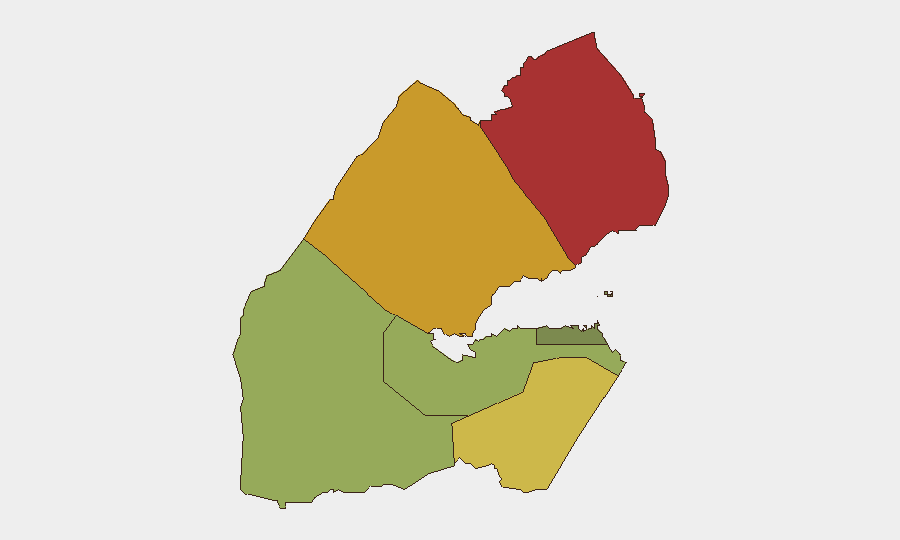
Situation Summary
Djibouti remains a low-threat environment (ranked #97 globally) but faces an acute humanitarian crisis driven by a sharp surge in Yemeni maritime refugee arrivals. Between 21–28 September, over 3,100–3,200 Yemenis fled intensified fighting in Yemen's western coast and Bab el-Mandeb strait, landing in Obock and other coastal entry points. The influx is straining reception capacity, water access, and public infrastructure; UNHCR estimates potential arrivals could reach 10,000, with Markazi camp approaching saturation. Separately, Djibouti has publicly expressed concern over renewed Ethiopian security tensions and called for de-escalation, signaling regional instability as a secondary concern.
Key Developments
- 21–22 September | Obock, Khor Angar, Moulhoule, Godoria. Over 3,100 Yemenis arrived by sea fleeing intensified fighting along Yemen's western coast; UNHCR flagged potential for 10,000+ arrivals and initiated registration and reception operations.
- 22 September | Djibouti (nationwide). UN agencies warned arrivals could reach 10,000, placing critical pressure on registration, shelter, protection, and essential services; UNHCR Djibouti operation reported only 15% funded.
- 22 September | Markazi refugee camp. Djibouti's Minister of Social Affairs appealed for international assistance, citing urgent needs among children, sick persons, and people with disabilities among the incoming refugee population.
- 23 September | Obock region. Humanitarian agencies reported refugee influx as rapidly escalating infrastructure challenge, with public water access and sanitation under strain; Djibouti hosts 36,000+ registered refugees prior to latest arrivals.
- 24 September | Obock / Markazi camp. Additional 3,200 Yemenis reported arrived; aid agencies reported being overwhelmed, with Markazi camp nearing capacity.
- 26 September | Obock / Markazi camp. Djibouti appealed to UN for international support as arrivals continued; officials stated influx placing pressure on Obock region and camp infrastructure.
- 27 September | Djibouti (diplomatic level). Foreign Ministry called for de-escalation and dialogue in Ethiopia, characterizing renewed security tensions there as a threat to regional peace and economic integration.
Highest-Risk Areas
Obock (risk 78) and Tadjourah (risk 72) dominate the sub-national threat ranking, reflecting their exposure to maritime refugee flows, humanitarian strain, and proximity to Yemen and the Bab el-Mandeb corridor. Ali Sabieh (risk 65) ranks third, likely driven by cross-border dynamics with Somalia and Ethiopia. Arta (risk 48) and Dikhil (risk 42) carry moderate risk, while the capital region (risk 35) remains comparatively stable. The Obock surge is the immediate driver of elevated regional risk; however, ongoing concern over Ethiopian instability introduces secondary spillover potential.
How GeoBit Would Assist
Security teams can employ AOI Monitoring & Early Warning on Obock coastal entry points and Markazi camp to track refugee arrival patterns, camp saturation, and potential flashpoints around resource scarcity. Maritime & Aviation tracking and conflict monitoring capabilities would provide continuous watch on Bab el-Mandeb shipping lanes and Yemen–Djibouti maritime corridors to anticipate surge trends. Humanitarian & NGO data integration supports duty-of-care teams in tracking UNHCR capacity, funding gaps, and service degradation that may indirectly affect expatriate communities through infrastructure strain or civil unrest.
7-Day Outlook
Yemeni maritime arrivals are expected to continue through early October as fighting persists in Yemen's western governorates. Camp capacity constraints and underfunding of reception services risk creating localized pressure in Obock; however, no credible reporting suggests imminent civil disorder or security-sector breakdown. Renewed Ethiopian instability warrants secondary monitoring for potential spillover into eastern Djibouti, though current diplomatic posture suggests containment intent.
Highest-Risk Areas — Ranked
| # | State / Region | Risk |
|---|---|---|
| 1 | Obock | 78 |
| 2 | Tadjourah | 72 |
| 3 | Ali Sabieh | 65 |
| 4 | Arta | 48 |
| 5 | Dikhil | 42 |
| 6 | Djibouti | 35 |
Sources
Previous Weekly Briefs
A new Djibouti brief is written every Monday, covering the week — each with its own risk map and downloadable CSV. Use the calendar to go further back.
- September 21, 2026
- September 14, 2026
- September 7, 2026
- September 1, 2026
- August 30, 2026
- August 27, 2026
- August 25, 2026
📅 Browse past briefs by calendar →
Highlighted days have a brief. Tap a day for that day's map & analysis, or “csv” for that day's dataset ($5).
Atlas — our AI intelligence desk — emails them this snapshot personally. Nothing else, no list.