Situation Summary
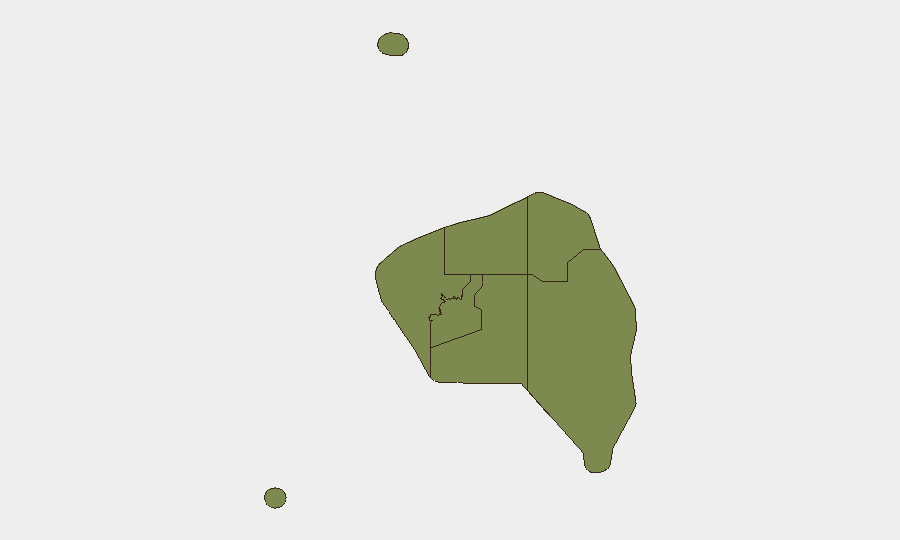
Fiji remains a stable, low-threat environment globally (rank #100; composite threat 2.7) with no confirmed acute security incidents, civil unrest, or infrastructure disruptions in the past 24–48 hours. Recent activity signals reflect routine governance, strategic defence partnerships, and capability enhancement rather than destabilization. Risk is heavily concentrated in the Central Division (Suva and Viti Levu), which accounts for the majority of national threat events; Eastern, Western, and Northern divisions carry significantly lower risk profiles.
Key Developments
- Suva – early June 2026: Fiji Police announced delivery of a Japanese- and UN Office on Drugs and Crime–donated underwater remotely operated vehicle (ROV) drone to strengthen maritime security and counter transnational crime in Fijian waters. No incident triggered this; it reflects capability modernization.
- Suva – early June 2026: The Fiji Government announced a new action plan with India to deepen defence and security cooperation, with emphasis on Indian Ocean maritime collaboration and digital resilience. This represents strategic alignment rather than response to acute threat.
- Suva – early June 2026: Australia pledged over FJD 700 million over five years for Fiji's development, security, and climate resilience, part of long-term bilateral security support.
- Fiji-wide – 9 June 2026: Government statements identified rising migration and population movement as a "central issue" for development, prosperity, and security; no specific unrest or conflict incident was reported in conjunction.
No corroborated reports of violence, riots, terrorism, large-scale crime, infrastructure sabotage, or sudden political breakdown emerged in mainstream news or social channels within the past 24–48 hours.
Highest-Risk Areas
The Central Division (risk score 31.9) dominates national threat concentration, driven primarily by event density in and around Suva, the capital, where government institutions, major infrastructure, and economic activity create natural focal points for policy disputes, labour actions, and routine political signalling. Northern and Western divisions carry equal secondary risk (15.8 each), likely reflecting maritime crime concerns, inter-community tensions, and remoteness from rapid police response; Eastern and Rotuma divisions remain minimal-risk peripheries. Risk concentration in Central is administrative and structural rather than indicative of imminent violence; however, security teams with staff or assets in Suva should monitor routine political announcements and labour developments.
How GeoBit Would Assist
GeoBit's Intel Sweep and multi-source OSINT fusion would consolidate police, electoral commission, and broadcaster statements into near-real-time threat signals, surfacing early warnings of policy shifts or institutional friction before operational impact. AOI Monitoring and Early Warning with persistent watch on Suva (government, ports, CBD) and secondary focus on Labasa (Northern) and Nadi (Western) would flag civil unrest, infrastructure disruption, or security force activity within hours of occurrence. Routing & Network Analysis supports contingency planning and safe-passage assessment for staff movement between Suva and outer islands.
7-Day Outlook
No acute escalation is anticipated in the near term. Fiji's institutional stability and regional security partnerships suggest the current operational environment will remain consistent with the past 30 days. Security teams should maintain standard duty-of-care protocols and monitor GeoBit alerts for any shift in police activity, parliamentary decisions, or maritime incidents; routine political signalling and government capability announcements are expected to continue.
Highest-Risk Areas — Ranked
| # | State / Region | Risk |
|---|---|---|
| 1 | Central | 31.9 |
| 2 | Northern | 15.8 |
| 3 | Western | 15.8 |
| 4 | Eastern | 2.6 |
| 5 | Rotuma | 1.9 |
Sources
Previous Daily Briefs
A new Fiji brief is written every day — each with its own risk map and downloadable CSV. Here's the last week; use the calendar to go further back.
📅 Browse every day by calendar →
Highlighted days have a brief. Tap a day for that day's map & analysis, or “csv” for that day's dataset ($5).