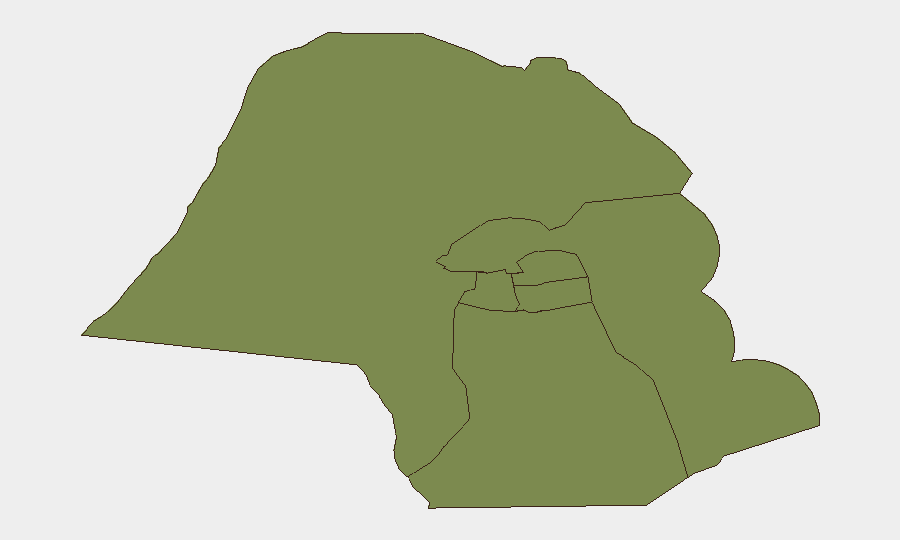
Situation Summary
Kuwait remains stable with a composite threat score of 25, placing it in the lower-risk band globally. Four tracked security events are recorded in the current cycle, including a conventional military force signal on 24 June and two investigative matters involving the state and manufacturers flagged on 23 June. Open-source verification of recent incident activity in Kuwait over the past 24–48 hours has not yielded confirmed civil unrest, conflict escalation, major crime events, or infrastructure disruptions beyond routine administrative and procurement activity.
Key Developments
- 24 June, Kuwait (nationwide). Conventional Military Force signal flagged in GeoBit event tracking; no substantive detail yet available from open sources regarding operational scope, location, or nature.
- 23 June, Kuwait (nationwide). Two separate investigative events initiated involving Kuwait state entities and manufacturers; nature and jurisdiction of investigations remain unclear from available reporting.
- Port Tender Activity, Kuwait (nationwide). FY2026–27 port development and modernisation tender programme announced; procedural/administrative activity, not a direct security incident, but reflects state infrastructure planning.
- No confirmed civil unrest, terrorism, or acute crime escalation reported in last 48 hours.
Highest-Risk Areas
Jahra Governorate carries significantly elevated risk (31.2) compared to all other regions, which cluster at 1.2. Jahra's elevated score likely reflects industrial/port activity, labour concentration, or past incident density; however, no acute current event has been independently verified in Jahra in the last 24–48 hours. The remaining five governorates (Ahmadi, Farwaniya, Hawalli, Mubarak al-Kabir, Capital) show uniform, low-level baseline risk and do not currently display elevated threat signals. Security teams with personnel or assets in Jahra should maintain heightened situational awareness pending clarification of the military force signal on 24 June.
How GeoBit Would Assist
Teams managing Kuwait exposure should employ AOI Monitoring & Early Warning to establish persistent watch on Jahra and other industrial zones, with automated alerting on security incidents, labour actions, or military activity. Intel Sweep and multi-language OSINT capabilities (Twitter/Telegram, local news feeds, radio SIGINT where applicable) would provide faster corroboration of the 24 June military signal and investigative matters than manual open-source search. Network & Actor Analysis would help map stakeholders in the flagged investigations and assess supply-chain or operational risk to corporate partners in the manufacturing and port sectors.
7-Day Outlook
The near-term trajectory remains stable absent rapid escalation of the military force or investigative signals. Routine monitoring of Jahra and port activity is warranted. If the 24 June military signal relates to border drills, internal exercises, or logistical repositioning, no acute travel or asset-protection measures are likely needed; if it signals external posturing or an unannounced deployment, risk profile may shift. Duty-of-care teams should request clarification from GeoBit's intelligence team and refresh briefings once event details are confirmed.
Highest-Risk Areas — Ranked
| # | State / Region | Risk |
|---|---|---|
| 1 | Jahra Governorate | 31.2 |
| 2 | Ahmadi Governorate | 1.2 |
| 3 | Farwaniya Governorate | 1.2 |
| 4 | Hawalli Governorate | 1.2 |
| 5 | Mubarak al-Kabir Governorate | 1.2 |
| 6 | Capital Governorate | 1.2 |
Sources
Previous Daily Briefs
A new Kuwait brief is written every day — each with its own risk map and downloadable CSV. Here's the last week; use the calendar to go further back.
📅 Browse every day by calendar →
Highlighted days have a brief. Tap a day for that day's map & analysis, or “csv” for that day's dataset ($5).