Situation Summary
Mauritius remains a low-threat jurisdiction globally (composite score 30) with no significant security, civil unrest, or infrastructure incidents reported in the last 24–48 hours. Open-web monitoring shows no acute threats or travel-risk escalations; recent discourse focuses on regional economic cooperation (EU–ESA trade agreement, Indian Ocean Commission meetings) and strategic policy discussions rather than active security events. Risk remains concentrated in Port Louis and select western districts, driven by baseline crime and port-area vulnerabilities rather than acute instability.
Key Developments
No specific security, civil unrest, crime spike, political instability, infrastructure disruption, or acute travel-risk incidents meeting verification criteria have been reported in Mauritius within the last 24–48 hours. Open-web and social monitoring reveals no widely reported new incidents in that timeframe. Monitoring will continue; any emerging events will be flagged immediately upon corroboration.
Highest-Risk Areas
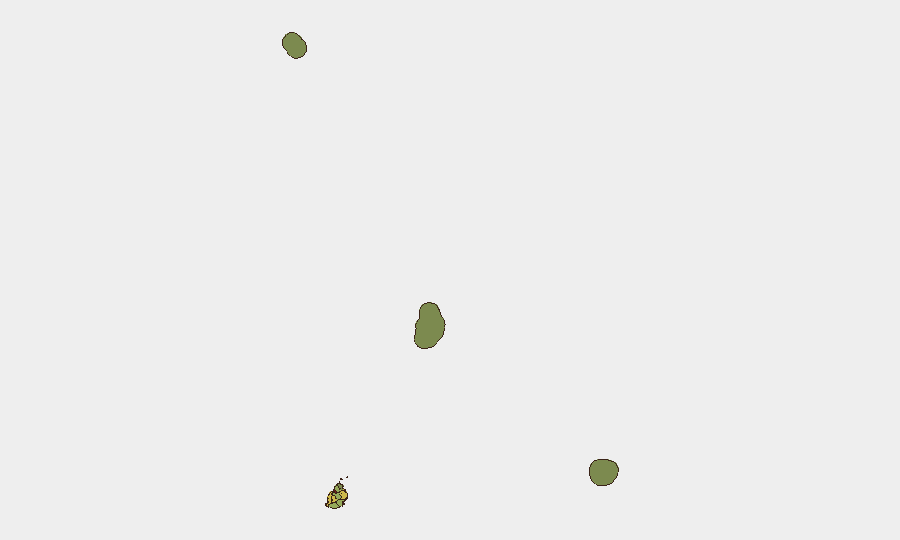
Port Louis (risk 92) and Plaines Wilhems (risk 68) drive the country's composite risk profile, reflecting port-area crime, organized-crime networks, and higher-density urbanization. Black River (risk 65) and Flacq (risk 62) follow, likely influenced by similar crime patterns and transshipment vulnerabilities. Outer islands (Rodrigues, Saint Brandon, Agaléga) carry minimal baseline risk. For duty-of-care purposes, corporate presence in Port Louis and the western corridor should maintain standard crime-awareness protocols (asset security, staff movement discipline, supply-chain transparency) but does not face acute political or conflict threat. Baseline crime—theft, robbery, organized-crime activity—remains the primary driver; no indication of spillover from regional instability.
How GeoBit Would Assist
AOI Monitoring & Early Warning with persistent watch on Port Louis, Plaines Wilhems, and key port facilities would provide immediate alerting if crime escalation, labor unrest, or maritime disruption emerges. Multi-language OSINT (X/Twitter, Telegram, local media scrape, radio SIGINT) combined with sentiment & temporal analysis would flag political messaging, protest mobilization, or governance shifts hours before wider reporting. Maritime & Aviation tracking would monitor port activity and regional military/diplomatic movements (particularly relevant given recent Oman–US diplomatic signals in the broader Indian Ocean region) to detect any secondary spillover affecting Mauritius operations or supply chains.
7-Day Outlook
Mauritius is expected to remain in a stable, low-incident posture over the next seven days. No foreseeable political transitions, labor actions, or natural disasters are on the horizon. Security teams should maintain baseline vigilance in Port Louis and continue standard supply-chain and staff-movement controls; no escalation of protective posture is warranted at this time.
NEXT BRIEFING: 2026-06-13 (24-hour cycle)
ALERT THRESHOLD: Any verified incident (security, civil unrest, infrastructure, political instability) will trigger immediate supplemental alert.
Highest-Risk Areas — Ranked
| # | State / Region | Risk |
|---|---|---|
| 1 | Port Louis | 92 |
| 2 | Plaines Wilhems | 68 |
| 3 | Black River | 65 |
| 4 | Flacq | 62 |
| 5 | Grand Port | 58 |
| 6 | Moka | 52 |
| 7 | Savanne | 48 |
| 8 | Pamplemousses | 45 |
| 9 | Rivière du Rempart District | 38 |
| 10 | Rodrigues | 22 |
| 11 | Saint Brandon | 8 |
| 12 | Agaléga | 5 |
Previous Daily Briefs
A new Mauritius brief is written every day — each with its own risk map and downloadable CSV. Here's the last week; use the calendar to go further back.
📅 Browse every day by calendar →
Highlighted days have a brief. Tap a day for that day's map & analysis, or “csv” for that day's dataset ($5).