Situation Summary
Mongolia remains in a stable security posture with a composite threat score of 15 (rank #82 globally) and no credible reports of acute security incidents, civil unrest, or infrastructure disruption in the last 24–48 hours. The conclusion of the multinational Khaan Quest 2026 peacekeeping exercise on July 3 and an upcoming South Korean presidential visit (July 9–11) represent scheduled, anticipated events without associated threat signals. Eastern border regions (Dornod, Sükhbaatar) and far-western provinces (Uvs, Khovd) continue to carry elevated composite risk scores, though current open-source intelligence does not indicate active instability or acute events in those areas.
Key Developments
- Five Hills Training Area, near Ulaanbaatar – July 3, 2026: Khaan Quest 2026, a multinational UN peacekeeping exercise involving 18 nations, formally concluded without reported security incidents, accidents, or civil unrest.
- Ulaanbaatar – scheduled July 9–11, 2026: South Korean President Lee Jae-myung will conduct a state visit for talks on critical minerals, economic cooperation, and regional security. No open indicators of related protest activity, threats, or instability have emerged in the last 24–48 hours.
- No acute crime, unrest, or infrastructure events: Cross-check of news, institutional sources, and X/Twitter for the last 24–48 hours yielded no reports of criminal incidents, political instability moves, or transport/utility disruptions meeting standard corporate security criteria.
Highest-Risk Areas
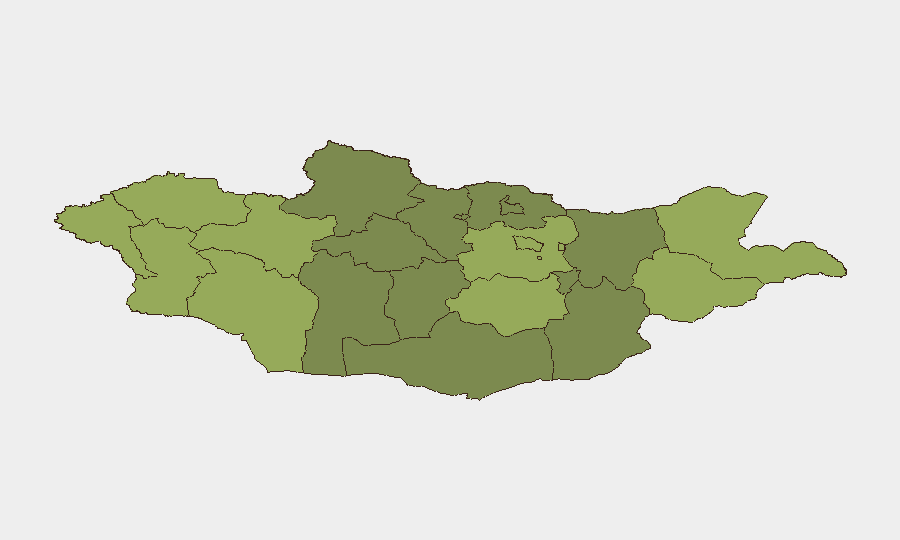
Eastern and far-western provinces drive Mongolia's sub-national risk profile. Dornod (risk 58) and Sükhbaatar (risk 55)—both in the far east, bordering Russia and China—carry the highest composite scores, followed by Uvs (52) and Khovd (50) in the west near Russia and China. These regions' elevated scores likely reflect border-monitoring sensitivities, cross-border movement patterns, and geopolitical friction zones rather than active, acute security events. Ulaanbaatar (risk 45) and central provinces (Töv, Dundgovi) remain below the eastern and western perimeter but merit standard corporate due-diligence monitoring given population and asset concentration.
How GeoBit Would Assist
Organizations with personnel or assets in Mongolia should employ AOI Monitoring & Early Warning to track Dornod, Sükhbaatar, Uvs, and Khovd for any emerging civil unrest, border incidents, or crime spikes, with automated alerts on threshold breaches. Intel Sweep and OSINT fusion across news, social media, and Telegram channels will enable real-time detection of political instability, labor disputes, or security service actions affecting corporate operations. Routing & Network Analysis can support safe transit planning for staff traveling to or from Ulaanbaatar during the South Korean visit period, when diplomatic security cordons may affect traffic and access patterns.
7-Day Outlook
No escalation is forecast in the near term. The Khaan Quest exercise closure and the scheduled South Korean visit represent routine diplomatic and training cycles without indicators of destabilization. Risk remains concentrated in eastern and western border regions; standard monitoring of those areas and Ulaanbaatar should continue, with elevated attention to any new cross-border incidents or sudden shifts in police/security activity.
Highest-Risk Areas — Ranked
| # | State / Region | Risk |
|---|---|---|
| 1 | Dornod | 58 |
| 2 | Sükhbaatar | 55 |
| 3 | Uvs | 52 |
| 4 | Khovd | 50 |
| 5 | Bayan-Ölgii | 48 |
| 6 | Govi-Altai | 46 |
| 7 | Ulaanbaatar | 45 |
| 8 | Zavkhan | 44 |
| 9 | Töv | 42 |
| 10 | Dundgovi | 40 |
| 11 | Darkhan-Uul | 38 |
| 12 | Ömnögovi | 37 |
Sources
Previous Daily Briefs
A new Mongolia brief is written every day — each with its own risk map and downloadable CSV. Here's the last week; use the calendar to go further back.
📅 Browse every day by calendar →
Highlighted days have a brief. Tap a day for that day's map & analysis, or “csv” for that day's dataset ($5).