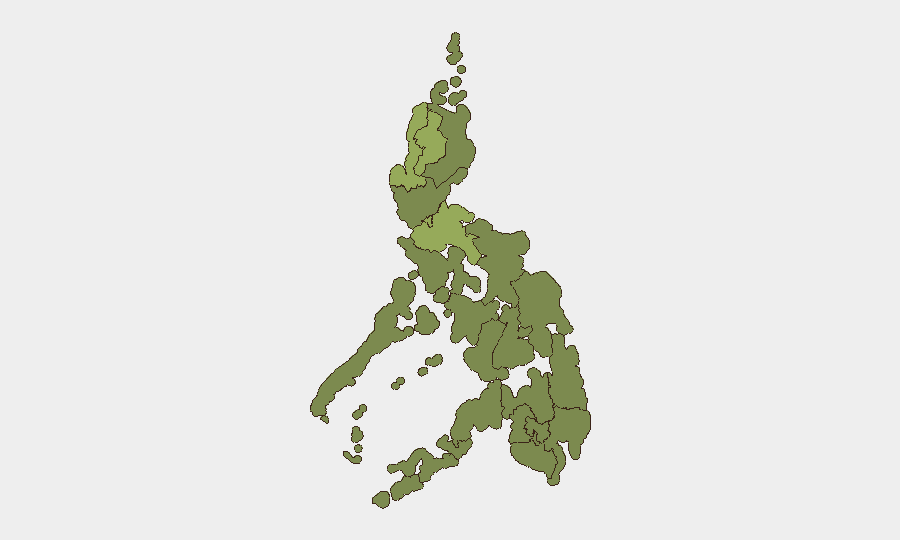
Situation Summary
The Philippines remains at moderate composite threat risk (rank 41 globally, score 36.8) driven by concentrated instability in Metro Manila and northern Luzon, coupled with persistent terrorism and kidnapping threats in southern Mindanao and the Sulu Archipelago. Recent event signals point to domestic political friction—arrests involving Chinese nationals, maritime disputes with Vietnam, and civil society criticism of presidential actions—overlaying baseline crime, terrorism, and civil-unrest vulnerabilities. The country is classified Level 2 (Exercise Increased Caution) by the U.S. State Department, with Do Not Travel zones in Sulu Archipelago, Marawi City, and broader Mindanao regions. The trajectory reflects endemic rather than acute escalation, though political and maritime tensions warrant close monitoring.
Key Developments
- 2026-06-03 · Metro Manila / National – Philippine authorities arrested Chinese nationals in connection with unspecified incident; reflects ongoing China-related tensions and potential transnational crime or maritime enforcement activity.
- 2026-06-02 · National – Philippine government issued public statement on Vietnam maritime disputes; signals continued South China Sea boundary friction and risk of unintended naval incidents.
- 2026-06-01 · Metro Manila / National – Civil-society organizations held demonstrations and issued critical statements regarding presidential policies; indicates sustained domestic political opposition and potential for recurring protest activity.
- 2026-06-01 · National – Philippine government statements and civil disapproval of presidential actions; suggests internal political realignment or policy controversy affecting governance stability.
- 2026-06-02 · National – Thailand issued public statement concerning Philippines, nature unspecified; potential diplomatic or cross-border issue.
- 2026-06-03 · National – Internal institutional rejection (Philippines vs. Philippines); indicates inter-agency or inter-branch friction over specific policy or directive.
Highest-Risk Areas
Metro Manila dominates sub-national risk (55.8), driven by concentration of financial infrastructure, government facilities, large expatriate populations, and high volumes of street crime including armed robbery on public transport. Ilocos Region (52.0) and Calabarzon (40.8) register elevated scores, though the underlying drivers warrant clarification; Cordillera Administrative Region (40.1) and Mimaropa (39.5) likely reflect mixed crime, resource-conflict, and indigenous-tension factors. Southern regions—Davao (30.8), Zamboanga (27.0), Bangsamoro (25.8), and Caraga (25.8)—carry embedded terrorism and kidnapping risk but score lower than northern zones, suggesting either lower incident frequency or lower concentration of corporate/expat presence. Corporate teams should prioritize Metro Manila movement security (vehicle routing, facility hardening, personnel screening) and strictly observe Do Not Travel designations for Sulu Archipelago and Marawi City.
How GeoBit Would Assist
Teams operating in the Philippines should deploy AOI Monitoring & Early Warning for Metro Manila, Ilocos, and Calabarzon to detect protest escalation, crime clusters, and civil unrest signals in real time. Intel Sweep and multi-language OSINT (X/Twitter, Telegram, local news) combined with sentiment & temporal analysis enable tracking of political friction, Chinese/Vietnamese maritime incidents, and anti-government activity before they impact employee safety or asset access. Routing & Network Analysis supports live alternative-journey planning around high-crime zones and demonstration sites, while satellite and imagery analysis can assess facility security posture in Metro Manila and southern Mindanao high-risk locations.
7-Day Outlook
Political criticism and civil-society activity are likely to persist or recur given the recent demonstration and internal institutional tensions. Maritime statements regarding Vietnam and China suggest ongoing diplomatic posturing but low immediate escalation risk. Street crime, kidnapping threats in Mindanao, and terrorism in southern provinces remain structural; no near-term deescalation is forecast, and duty-of-care teams should maintain heightened posture through the week, particularly around planned demonstrations or policy announcements.
Highest-Risk Areas — Ranked
| # | State / Region | Risk |
|---|---|---|
| 1 | Metro Manila | 55.8 |
| 2 | Ilocos Region | 52 |
| 3 | Calabarzon | 40.8 |
| 4 | Cordillera Administrative Region | 40.1 |
| 5 | Mimaropa | 39.5 |
| 6 | Davao Region | 30.8 |
| 7 | Central Luzon | 29.5 |
| 8 | Zamboanga Peninsula | 27 |
| 9 | Bangsamoro | 25.8 |
| 10 | Caraga | 25.8 |
| 11 | Northern Mindanao | 25.8 |
| 12 | Soccsksargen | 25.8 |
Previous Daily Briefs
A new Philippines brief is written every day — each with its own risk map and downloadable CSV. Here's the last week; use the calendar to go further back.
📅 Browse every day by calendar →
Highlighted days have a brief. Tap a day for that day's map & analysis, or “csv” for that day's dataset ($5).