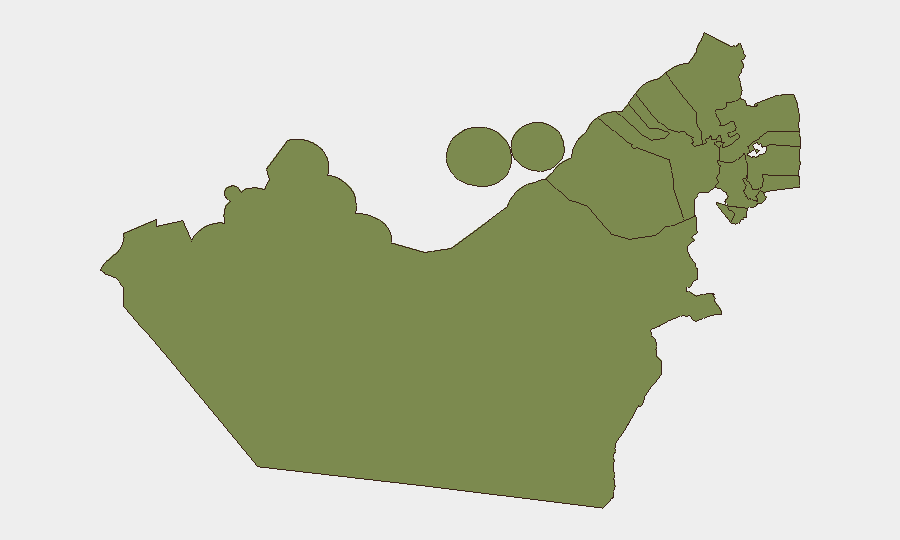
Situation Summary
The United Arab Emirates remains a stable, low-threat environment (global rank #98; composite threat score 2.1) with no major security incidents reported in the last 24–48 hours. Dubai and Abu Dhabi Emirate carry elevated composite risk scores (31.5 each), primarily reflecting broader regional tensions and critical infrastructure exposure rather than active domestic unrest. The broader Gulf security environment—particularly Iran–UAE dynamics and Iraq-originating drone activity—continues to shape threat posture, but internal stability remains intact.
Key Developments
- Al Dhafra, Abu Dhabi Emirate (17–19 May, referenced in current reporting): UAE air defenses intercepted multiple hostile UAVs; one drone struck the Barakah Nuclear Power Plant, igniting a fire with no radiation release. Six additional hostile drones were destroyed over a 48-hour window with minor casualties from debris but no serious damage reported. This incident—while dated in mid-May—remains the most significant recent security event affecting UAE critical infrastructure.
- No active terrorist attacks, bombings, or mass-casualty incidents reported in UAE territory in the last 24–48 hours. Open-source and social-media monitoring show no corroborated attacks or shootings.
- No verified civil unrest, organized protests, or riots in UAE cities (Dubai, Abu Dhabi, Sharjah) in the last 24–48 hours.
- No new airspace closures, curfews, or internal movement restrictions beyond standard security protocols; commercial and civil aviation operating normally.
- Regional threat environment: Ongoing Iran–Gulf tensions and Iraq-based drone activity remain a persistent background factor influencing UAE air-defense posture and critical-infrastructure vigilance, though no new escalation has materialized in the last 48 hours.
Highest-Risk Areas
Dubai and Abu Dhabi Emirate drive the national risk profile, each with a composite score of 31.5—significantly higher than the remaining five emirates (all 1.5). This disparity reflects their concentration of critical national infrastructure (ports, financial hubs, energy assets), international business density, and exposure to external threats (particularly drone and maritime activity originating in Iraq and Iran). The remaining emirates—Sharjah, Ajman, Ras al-Khaimah, Fujairah, and Umm al-Quwain—show minimal internal threat activity. Organizations with personnel or assets in Dubai and Abu Dhabi should maintain heightened awareness of critical-infrastructure vulnerability and cross-border threats, particularly affecting energy and aviation sectors.
How GeoBit Would Assist
Security and duty-of-care teams operating in the UAE would benefit from AOI Monitoring & Early Warning on critical facilities (Barakah, port zones, aviation hubs) to detect emerging threats; Intel Sweep and OSINT fusion (X, Telegram, regional news) for rapid detection of civil unrest or organized activity; and Conflict & Military tracking (force posture, weapons capability, drone activity) to contextualize external threats from Iraq and Iran. Satellite & Imagery analysis and Maritime & Aviation tracking provide real-time visibility on potential cross-border incursions or airspace violations.
7-Day Outlook
The security environment is expected to remain stable over the next 7 days, with no indicators of imminent major incidents inside UAE territory. Monitoring of Iran–Iraq dynamics and drone activity should continue as a persistent background concern; any escalation in regional hostilities could raise air-defense alert levels and affect critical infrastructure. Commercial operations and routine travel are not expected to face disruption.
Highest-Risk Areas — Ranked
| # | State / Region | Risk |
|---|---|---|
| 1 | Dubai | 31.5 |
| 2 | Abu Dhabi Emirate | 31.5 |
| 3 | Sharjah Emirate | 1.5 |
| 4 | Ajman Emirate | 1.5 |
| 5 | Ras al-Khaimah | 1.5 |
| 6 | Fujairah Emirate | 1.5 |
| 7 | Umm al-Quwain | 1.5 |
Sources
Previous Daily Briefs
A new United Arab Emirates brief is written every day — each with its own risk map and downloadable CSV. Here's the last week; use the calendar to go further back.
📅 Browse every day by calendar →
Highlighted days have a brief. Tap a day for that day's map & analysis, or “csv” for that day's dataset ($5).