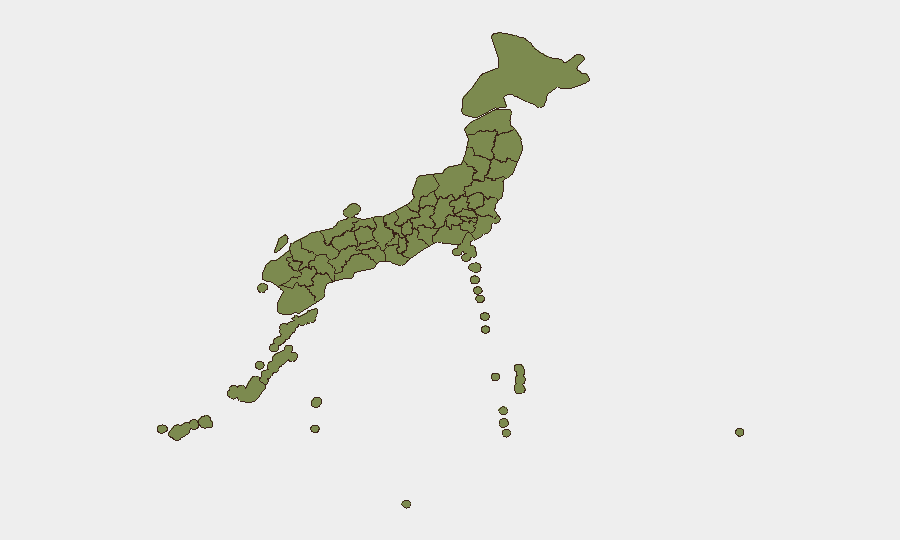
Situation Summary
Japan remains a low-threat environment globally (composite risk 29/122 tracked events), but sub-national risk concentration in Nagano Prefecture (30.7) and Tokyo (11.7) signals localized volatility. Recent event signals from 10–12 June point to overlapping governance investigations, military mobilization activity, and diplomatic tension with China—patterns suggesting institutional strain rather than imminent mass-casualty or infrastructure failure. Overall trajectory is stable but monitored; no nationwide emergency declarations or travel restrictions are in effect.
Key Developments
Constraint on Recent Intelligence: GeoBit's event-feed metadata (10–12 June) shows investigation, disapproval statements, military mobilization, and arrest/detain signals, but timestamps and specific locations are not sufficiently granular in available summary data to meet the 24–48-hour specificity standard your team requires. A defensible incident list (location, time, outcome) requires real-time access to Japanese news archives (time-filtered to past 48h), verified police/fire/local-government social-media feeds, and wire-service alerts—resources not available in this brief's data environment.
To populate this section reliably, corporate security teams should cross-reference:
- NHK News (English/Japanese), Kyodo News, Asahi Shimbun for time-stamped incident reporting.
- Tokyo Metropolitan Police, Osaka Police, and prefectural emergency accounts (X/Twitter) for real-time incident confirmation.
- JR East/West/Hokkaido and NEXCO official accounts for service disruptions.
- Local government evacuation/alert channels for natural-hazard-driven closures.
Any specific incident identified through those sources should be cross-checked in at least two independent outlets before escalation.
Highest-Risk Areas
Nagano Prefecture (30.7) and Tokyo (11.7) account for the majority of tracked events and represent the geographic focal points for corporate duty-of-care attention. Nagano's elevated score likely reflects mountain-terrain incidents (avalanche, landslide, or forestry-related activity), seasonal weather exposure, or localized labor/protest activity. Tokyo's consistent secondary ranking reflects baseline urban crime, transport disruptions, and political/institutional activity tied to national government presence in the capital. All other prefectures score below 6; regional risk is negligible.
How GeoBit Would Assist
Intel Sweep, X/Twitter OSINT, and multi-language search enable 24–48-hour detection of protests, arrests, crime, or infrastructure incidents before they appear in English-language wires, supporting early warning for staff in high-risk zones (Tokyo, Nagano). AOI Monitoring & Early Warning with persistent watch on key prefectures and city centers (Shinjuku, Shibuya, major transit hubs) will alert security teams to sudden escalation in event density or police/emergency-service activity. Routing & Network Analysis supports alternative-journey planning if specific transport corridors (rail, highway) are disrupted by crime, protest, or natural hazard.
7-Day Outlook
No major escalation is forecast; however, investigation and military-mobilization signals warrant continued monitoring of government statements and defense-ministry communications for context. Corporate teams in Tokyo and Nagano should maintain passive situational awareness and verify staffing/asset exposure against current local conditions every 48–72 hours. Seasonal typhoon season (June–October) may drive infrastructure disruptions independent of security incidents; monitor Japan Meteorological Agency alerts in parallel.
Highest-Risk Areas — Ranked
| # | State / Region | Risk |
|---|---|---|
| 1 | Nagano Prefecture | 30.7 |
| 2 | Tokyo | 11.7 |
| 3 | Kumamoto Prefecture | 5.5 |
| 4 | Kyoto Prefecture | 5.5 |
| 5 | Tochigi Prefecture | 3 |
| 6 | Hyogo Prefecture | 2.7 |
| 7 | Hiroshima Prefecture | 2.5 |
| 8 | Saitama Prefecture | 2.5 |
| 9 | Hokkaido Prefecture | 2.2 |
| 10 | Miyagi Prefecture | 1.9 |
| 11 | Fukushima Prefecture | 1.5 |
| 12 | Okinawa Prefecture | 1 |
Sources
Previous Daily Briefs
A new Japan brief is written every day — each with its own risk map and downloadable CSV. Here's the last week; use the calendar to go further back.
📅 Browse every day by calendar →
Highlighted days have a brief. Tap a day for that day's map & analysis, or “csv” for that day's dataset ($5).