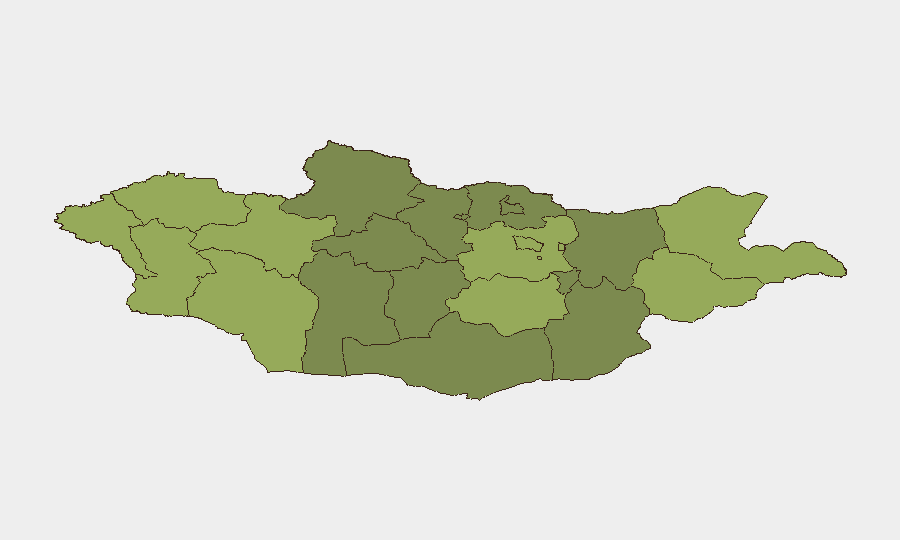
Situation Summary
Mongolia remains in a stable, low-threat security posture with no acute incidents reported in the last 24–48 hours. The country's composite threat score of 8 (rank #111 globally) reflects structural risk concentrated in border regions and select provinces rather than active crises. Current conditions support routine business and travel operations, though eastern and western border areas warrant sustained monitoring due to endemic smuggling and cross-border dynamics.
Key Developments
- Khaan Quest 2026 multinational exercise concluded (July 3, Five Hills Training Area, near Ulaanbaatar): The 18-nation peacekeeping exercise formally ended with no reported accidents, security incidents, or downstream unrest as forces redeployed from the training area.
- No protest activity ahead of South Korean state visit (Ulaanbaatar, July 4–5): Monitoring for potential demonstrations or politically motivated gatherings ahead of the scheduled July 9–11 visit by South Korean President Lee Jae-myung has detected no indication of organized unrest or heightened police activity in the capital.
- Eastern border regions remain incident-free (Dornod, Sükhbaatar, July 4–5): Despite persistent elevated risk scores in these provinces, no new cross-border clashes, smuggling-related disruptions, or transport blockages have been reported in the last 24–48 hours.
- Western provinces stable (Uvs, Khovd, July 4–5): Similarly risk-flagged areas show no fresh reports of civil unrest, major crime events, or infrastructure disruption (road closures, utility outages) in current monitoring.
- National transport and utilities operational (nationwide, July 4–5): No spike in flight cancellations, road closures, or power grid failures linked to security incidents has emerged; aviation, road, and rail networks operate within routine parameters.
Highest-Risk Areas
Dornod, Sükhbaatar, and Uvs provinces drive Mongolia's sub-national risk profile (composite scores 58, 55, and 52 respectively), reflecting border proximity, smuggling routes, and limited state enforcement capacity in remote areas. Khovd and Bayan-Ölgii in the far west present similar structural vulnerabilities. Ulaanbaatar (rank #7, score 45), despite being the capital and seat of government, carries elevated risk due to concentration of population, political activity, and emerging crime trends. No single province is currently experiencing acute instability; risk scores reflect chronic conditions—border dynamics, criminality, and geographic isolation—rather than imminent threats.
How GeoBit Would Assist
Security teams operating in or responsible for Mongolia should deploy Intel Sweep and multi-language OSINT feeds to monitor eastern and western border regions for cross-border incidents, smuggling disruptions, or transport blockages before they impact supply chains or personnel movement. AOI Monitoring & Early Warning on Dornod, Sükhbaatar, and Uvs provinces will provide persistent, automated alerting if structural risk escalates into discrete incidents. For personnel transiting or stationed in Ulaanbaatar ahead of the July 9–11 state visit, event monitoring and sentiment analysis of social platforms will provide real-time visibility into protest mobilization or security response that could affect access or movement.
7-Day Outlook
Mongolia's security trajectory remains stable through the near term, with the South Korean state visit (July 9–11) likely to proceed without major disruption based on current intelligence. Border regions will continue to warrant routine monitoring but show no indicators of acute escalation. Corporate operations should maintain standard duty-of-care protocols while planning for the state visit's potential localized traffic and security presence in Ulaanbaatar.
Highest-Risk Areas — Ranked
| # | State / Region | Risk |
|---|---|---|
| 1 | Dornod | 58 |
| 2 | Sükhbaatar | 55 |
| 3 | Uvs | 52 |
| 4 | Khovd | 50 |
| 5 | Bayan-Ölgii | 48 |
| 6 | Govi-Altai | 46 |
| 7 | Ulaanbaatar | 45 |
| 8 | Zavkhan | 44 |
| 9 | Töv | 42 |
| 10 | Dundgovi | 40 |
| 11 | Darkhan-Uul | 38 |
| 12 | Ömnögovi | 37 |
Sources
Previous Daily Briefs
A new Mongolia brief is written every day — each with its own risk map and downloadable CSV. Here's the last week; use the calendar to go further back.
📅 Browse every day by calendar →
Highlighted days have a brief. Tap a day for that day's map & analysis, or “csv” for that day's dataset ($5).
Atlas — our AI intelligence desk — emails them this snapshot personally. Nothing else, no list.