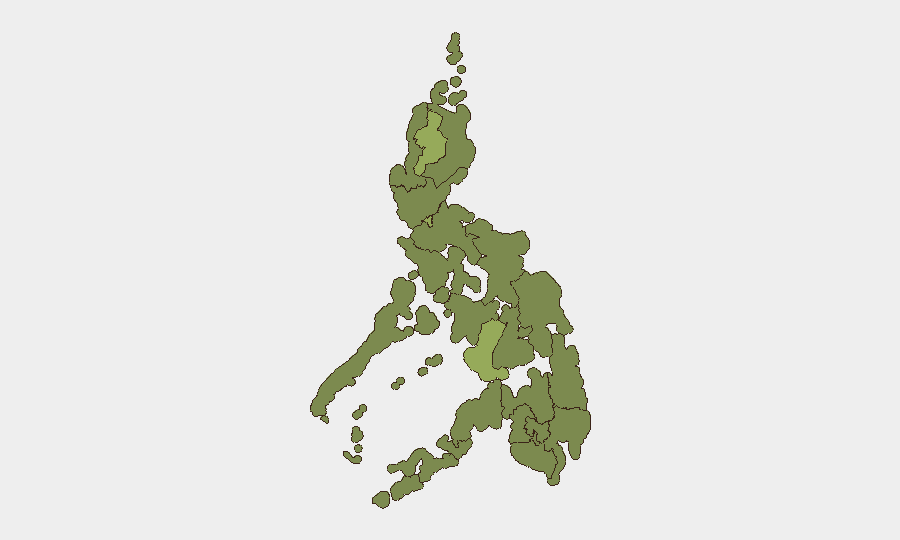
Situation Summary
Philippines remains at moderate global threat rank (#37, composite 36.1) with 128 tracked events, reflecting persistent maritime tensions with China, localized insurgent activity, and crime-driven instability in rural and island regions. The most significant recent signals center on escalating conventional military posturing and diplomatic friction in the last 24 hours, particularly involving China-Philippine interactions and internal security force mobilizations. Sub-national risk is highly concentrated in Negros Island Region and Cordillera Administrative Region, with Metro Manila at elevated risk due to population density and infrastructure sensitivity. The trajectory suggests sustained tension rather than imminent large-scale escalation, though isolated incidents remain probable.
Key Developments
- Philippines-China Military Activity (5 June 2026) – Multiple signals of conventional military force posturing between Philippine and Chinese forces, including reciprocal rejection and investigation actions by Philippine authorities, indicating heightened operational tempo or incident response in disputed maritime zones. Specific location and casualty details require ongoing verification.
- Philippine Government & Security Force Actions (5 June 2026) – Public statements from government and military mobilization orders issued by security forces, consistent with heightened alert posture or operational deployment. Nature and geographic scope of mobilization remain under investigation.
- Arrest/Detention of Chinese Nationals (3–4 June 2026) – Philippine authorities detained Chinese individuals; reciprocal detention actions by China of Philippine nationals reported on 5 June, suggesting escalating bilateral friction beyond military incidents.
- Japanese Government Disapproval Statement (4 June 2026) – Japan issued a public disapproval statement regarding Philippine actions, indicating regional diplomatic complications or coordination concerns among U.S.-aligned partners.
- Philippine Armed Forces Public Statement (4 June 2026) – Military issued a statement, likely in response to operational incidents or policy clarifications; reinforces heightened security communications tempo.
Highest-Risk Areas
Negros Island Region (55.3) and Cordillera Administrative Region (49.5) carry the highest composite risk, driven by persistent criminal networks, armed-group activity, and limited state capacity in remote areas. Metro Manila (44.8) ranks third, reflecting concentration of government, corporate, and international presence alongside organized crime and protest risk. Western Visayas and Ilocos Region complete the top five, with risk driven by maritime smuggling, insurgent recruitment, and local armed conflict. Risk in Negros and Cordillera is largely chronic rather than event-driven; Metro Manila risk is more episodic but operationally critical for multinational staff and supply chains.
How GeoBit Would Assist
Security teams operating in Philippines would deploy AOI Monitoring & Early Warning on high-risk provincial capitals and maritime zones to detect emerging incidents before they affect operations. Intel Sweep and multi-language OSINT fusion would track Philippine and Chinese military signaling, arrest announcements, and local media reporting across news wires, X/Twitter, and government statements in real time, enabling duty-of-care teams to distinguish noise from actionable threats. Routing & Network Analysis and GIS mapping would support alternative supply-chain and personnel movement planning in Negros, Cordillera, and Metro Manila in response to localized unrest, road closures, or security operations.
7-Day Outlook
Near-term risk remains elevated in maritime zones and border regions due to ongoing China-Philippine tensions and detention escalations; expect continued military signaling and diplomatic statements without clear de-escalation signals. Localized criminal and insurgent activity in Negros and Cordillera is likely to persist at baseline levels; monitor for spillover into Western Visayas. Metro Manila should see routine security operations; no imminent large-scale civil unrest is signaled, though protest activity around political or labor issues remains seasonal.
Highest-Risk Areas — Ranked
| # | State / Region | Risk |
|---|---|---|
| 1 | Negros Island Region | 55.3 |
| 2 | Cordillera Administrative Region | 49.5 |
| 3 | Metro Manila | 44.8 |
| 4 | Western Visayas | 37.6 |
| 5 | Ilocos Region | 36.8 |
| 6 | Mimaropa | 36.3 |
| 7 | Calabarzon | 30.8 |
| 8 | Bangsamoro | 28.2 |
| 9 | Central Luzon | 27 |
| 10 | Central Visayas | 26.1 |
| 11 | Bicol Region | 25.7 |
| 12 | Caraga | 25.3 |
Previous Daily Briefs
A new Philippines brief is written every day — each with its own risk map and downloadable CSV. Here's the last week; use the calendar to go further back.
📅 Browse every day by calendar →
Highlighted days have a brief. Tap a day for that day's map & analysis, or “csv” for that day's dataset ($5).