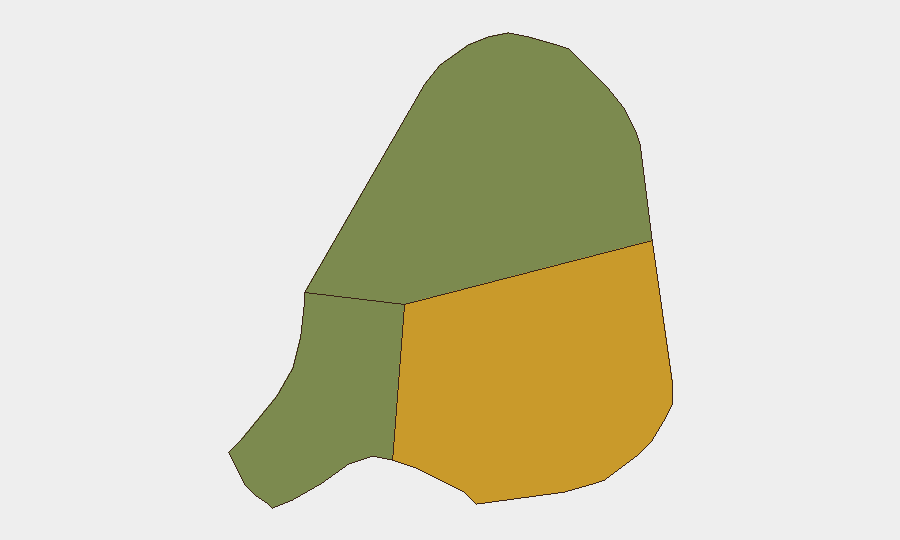
Situation Summary
Antigua and Barbuda remains in a stable security environment with no verified incidents recorded in the last 24–48 hours. No crime spikes, civil unrest, infrastructure disruption, or travel-risk escalations have been identified across the twin-island state. While Antigua island carries a composite risk score of 72—substantially higher than Barbuda (18) and Redonda (8)—routine background crime levels persist without acute incident activity or anticipated near-term deterioration.
Key Developments
- No discrete security incidents have been verified in Antigua and Barbuda in the 24–48-hour monitoring window (2–4 August 2026).
- Local news outlets (Antigua News Room, Real News Antigua, Antiguan Trumpet, St. John's–based media) show no new reports of homicides, armed robbery, civil unrest, or political violence dated to the last 48 hours; prior reporting is dated 29–30 July and earlier.
- Government and public-safety communications issued from St. John's were last updated 28–29 July 2026 with routine national CCTV rollout and cybersecurity updates; no emergency advisories or incident bulletins have been posted in the current window.
- Social media and broadcast media (ABS TV/Radio, government-linked Facebook pages) contain no alerts regarding protests, roadblocks, severe crime, infrastructure failures, or travel disruptions dated to the last 24–48 hours.
- Underlying threat trajectory shows no indicators of escalation, civil-unrest buildups, or political instability warranting elevation of near-term travel or operational risk.
Highest-Risk Areas
Antigua island (risk score 72) is the dominant driver of sub-national risk, reflecting both population concentration in the capital St. John's and historical crime patterns including robbery and drug-related activity. Barbuda (risk 18) carries substantially lower composite risk, while Redonda (risk 8) presents minimal measurable threat. The risk differential reflects Antigua's role as the primary urban, commercial, and administrative hub; security teams with personnel or assets concentrated in St. John's or central Antigua should maintain standard duty-of-care protocols, while operations in Barbuda and Redonda face proportionally lower baseline threats.
How GeoBit Would Assist
Security teams managing people or assets in Antigua and Barbuda should employ Intel Sweep and multi-language OSINT (X/Twitter, Telegram, local media feeds) to maintain real-time visibility of crime incidents, protests, or infrastructure disruptions. AOI Monitoring & Early Warning would provide persistent watch on St. John's and Antigua's highest-risk neighborhoods, generating alerts for sudden crime spikes or civil unrest. Risk & Threat Assessment and sentiment & temporal analysis of local social media can flag emerging political tensions or community friction before they translate into operational disruption.
7-Day Outlook
No material escalation in security conditions is anticipated over the next seven days. Routine policing and background crime levels are expected to persist across Antigua without acute incident activity or policy changes affecting travel or business continuity. Teams should maintain standard protocols while monitoring local news and official government communications for any unscheduled updates.
Highest-Risk Areas — Ranked
| # | State / Region | Risk |
|---|---|---|
| 1 | Antigua | 72 |
| 2 | Barbuda | 18 |
| 3 | Redonda | 8 |
Sources
Previous Daily Briefs
A new Antigua and Barbuda brief is written every day — each with its own risk map and downloadable CSV. Here's the last week; use the calendar to go further back.
📅 Browse every day by calendar →
Highlighted days have a brief. Tap a day for that day's map & analysis, or “csv” for that day's dataset ($5).
Atlas — our AI intelligence desk — emails them this snapshot personally. Nothing else, no list.