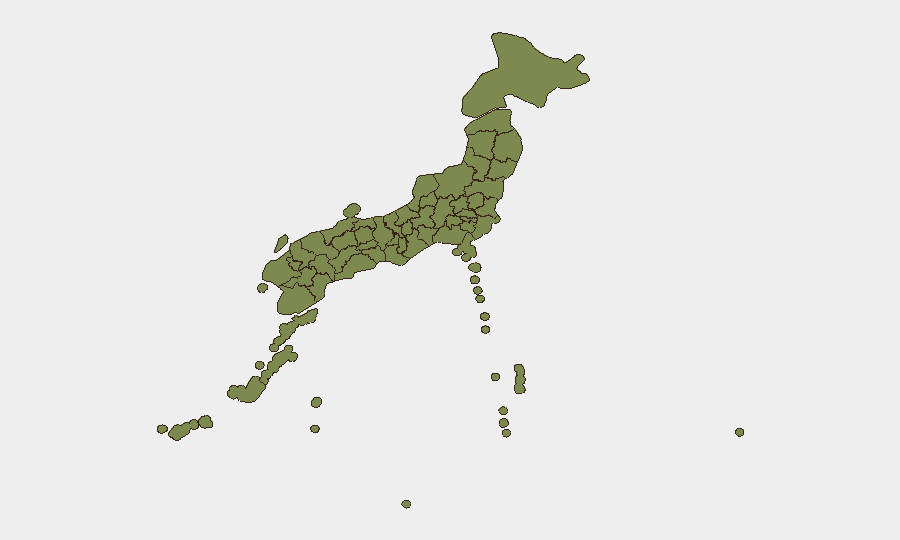
Situation Summary
Japan's composite threat score of 30 places it in the lower-to-moderate global risk tier, with 72 tracked events in the current assessment window. Recent activity signals include diplomatic friction (statements vs. US, Russia, Spain), physical security incidents (assault on university facility), and military-related communications, suggesting tension across diplomatic, civil, and defense domains. The geographic concentration of risk in Nagano Prefecture—with a score 5.4× higher than Tokyo—indicates either localized instability or a significant discrete event warrant close monitoring.
Key Developments
- Nagano Prefecture escalation (June 12–13): Physical assault at a university facility and arrest/detention incidents cluster in Japan's highest-risk sub-national zone; specific actors and triggers remain under investigation.
- Diplomatic friction with Western and regional powers (June 12–13): Japan issued public statements critical of the US and Russia; Spain and Malaysia also issued disapproval statements toward Japan, signaling coordinated diplomatic pressure or response to a policy shift.
- Military activity signal (June 13): A "Conventional Military Force" event attributed to a commander vs. Japanese military was reported; context and scale remain unconfirmed in open reporting.
- Arrest/detention in Caracas linked to Japan (June 12): An arrest or detention event in Venezuela with Japan connection suggests either a Japanese national detained abroad or a diplomatic/consular incident requiring monitoring.
- Potential cyber threat in Kyoto (June 11, context only): TheGentlemen ransomware group claimed an attack on Tokabei Japan, a Kyoto-based textile company, with extortion threats; this precedes the 24–48-hour window but underscores critical infrastructure and supply-chain vulnerability in a secondary risk zone.
Highest-Risk Areas
Nagano Prefecture dominates the risk profile with a composite score of 30.8—nearly six times that of Tokyo (5.7)—driven by the clustering of physical assault, detention, and unresolved civil incidents within the past 48 hours. Tokyo and Kyoto remain secondary concerns due to diplomatic activity and potential cyber targeting of commercial entities. The concentration in inland and western prefectures (Nagano, Kyoto, Fukuoka, Hiroshima) suggests either sectoral risk (e.g., manufacturing, supply chain) or geographic instability warranting differentiated monitoring posture across corporate footprints.
How GeoBit Would Assist
A corporate security team with personnel or assets in Japan would deploy Intel Sweep and X/Telegram OSINT to track real-time diplomatic statements and military communications, combined with AOI Monitoring & Early Warning on Nagano, Tokyo, and Kyoto to detect escalation in arrests, protests, or civil unrest before they impact operations. Network & Actor Analysis would map relationships between the arrest/detention events, university incident, and international diplomatic friction to determine whether these are isolated or part of a coordinated destabilization. Cyber threat intelligence (Shodan, darknet monitoring) would provide early warning of ransomware targeting Japanese supply chains, complementing physical-security monitoring.
7-Day Outlook
The concentration of events in a 48-hour window, combined with multi-lateral diplomatic friction and military-related signaling, suggests either a singular triggering event (e.g., policy announcement, military exercise) or emerging instability. Risk is likely to remain elevated in Nagano and Tokyo over the next 7 days pending clarification of the assault, arrests, and military activity. Corporate teams should increase situational awareness and prepare contingency routing and communication protocols for personnel in high-risk prefectures.
Highest-Risk Areas — Ranked
| # | State / Region | Risk |
|---|---|---|
| 1 | Nagano Prefecture | 30.8 |
| 2 | Tokyo | 5.7 |
| 3 | Kyoto Prefecture | 5.3 |
| 4 | Fukuoka Prefecture | 3.1 |
| 5 | Hiroshima Prefecture | 3 |
| 6 | Hokkaido Prefecture | 2.2 |
| 7 | Kanagawa Prefecture | 1.5 |
| 8 | Okinawa Prefecture | 1.1 |
| 9 | Aomori Prefecture | 1 |
| 10 | Nagasaki Prefecture | 0.8 |
| 11 | Kumamoto Prefecture | 0.8 |
| 12 | Miyazaki Prefecture | 0.8 |
Sources
Previous Daily Briefs
A new Japan brief is written every day — each with its own risk map and downloadable CSV. Here's the last week; use the calendar to go further back.
📅 Browse every day by calendar →
Highlighted days have a brief. Tap a day for that day's map & analysis, or “csv” for that day's dataset ($5).