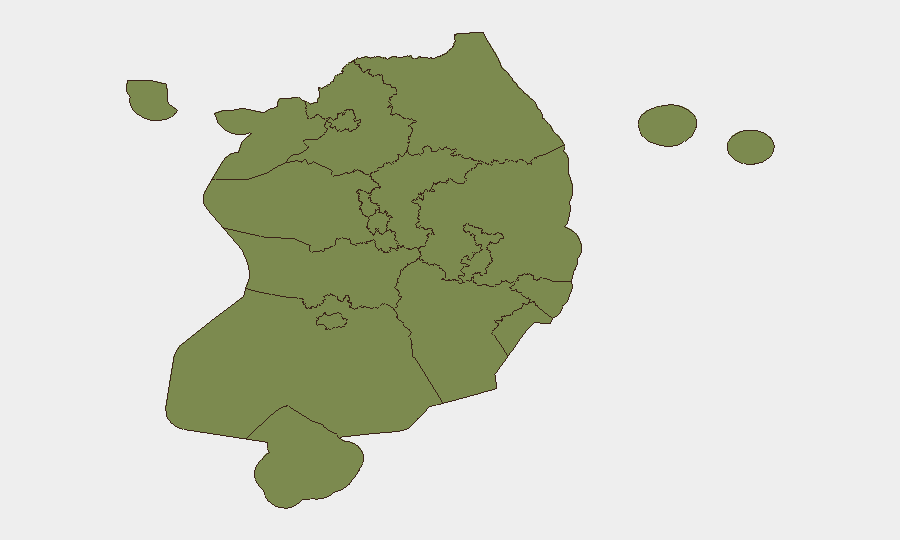
Situation Summary
South Korea faces a moderate composite security profile (rank #null globally; score 29/100) driven primarily by political volatility in Seoul and a recent hazardous-materials incident at a major U.S. military installation. The past 48 hours have seen a white phosphorus leak at Osan Air Base (contained), equity-market stress stemming from semiconductor-sector weakness, and ongoing inter-Korean border activity including a North Korean soldier defection. Near-term risk remains contained but elevated in Seoul and surrounding Gyeonggi Province, with no acute threats to critical infrastructure or widespread civil unrest reported.
Key Developments
- Pyeongtaek, Gyeonggi Province (Osan Air Base) – White phosphorus leak, emergency evacuation – July 28, 2026
A suspected white phosphorus leak at U.S. 51st Fighter Wing facilities prompted brief neighborhood evacuations and a 300–500 m safety perimeter. South Korean authorities completed decontamination within hours; no injuries or secondary evacuations reported as of July 30.
- Pyeongtaek, Gyeonggi Province – Hazardous-materials monitoring ongoing – July 29–30, 2026
Authorities continued environmental and health assessments; residual risk classified as contained but requiring continued monitoring near the air base.
- Seoul / Nationwide – Equity market decline (11% single-session drop) – July 28, 2026
Sharp sell-off in semiconductors (SK Hynix, Samsung) driven by global chip-sector weakness and Chinese competition; regulatory response (accelerated deposit and leverage controls) scheduled for July 31 to manage volatility and limit systemic economic stress.
- Central DMZ / inter-Korean border – North Korean soldier defection – July 29, 2026
One North Korean military defector crossed the border on the central front; custody and interrogation ongoing as of July 29. Investigation maintains current intelligence relevance.
- Seoul / Central institutions – Political tension and arrest activity – July 28–29, 2026
Multiple arrest/detain events, investigative activity involving police and presidential staff, and confrontational statements between government and National Assembly recorded. Central Election Commission disapproval noted (July 30); small-arms incident involving lawmaker reported. Underlying causes and scope under clarification.
- Yellow Sea / Western maritime border – GPS jamming environment stable – Late July 2026
South Korean Coast Guard confirmed no recent North Korean GPS-jamming activity near western islands, maintaining safe maritime electronic-warfare conditions.
- Nationwide – North Korea–Russia military cooperation monitoring – July 27–30, 2026
Foreign Ministry closely watching unconfirmed reports of potential large-scale North Korean troop deployment to Russia; no additional deployments confirmed in the past 72 hours.
Highest-Risk Areas
Seoul accounts for the highest risk (31.3), driven by recent political arrests, investigative activity, and confrontational exchanges between government and legislative bodies. South Chungcheong and South Jeolla provinces (each 15.1) show secondary elevated risk from incidents not yet fully detailed in open reporting. Gyeonggi Province (6.6), which includes Osan Air Base and Pyeongtaek, carries chemical-hazard residual risk but no acute ongoing threat. All other regions remain below 3.0 risk score, indicating stable conditions outside Seoul and immediate surroundings.
How GeoBit Would Assist
Security teams should deploy AOI Monitoring & Early Warning on Seoul, Gyeonggi, and Incheon to detect emerging political or public-safety incidents in real time. Intel Sweep and X/Twitter & Telegram OSINT with sentiment analysis will track political tensions and public reaction to government actions. Satellite & Imagery analysis of Osan Air Base and surrounding neighborhoods will confirm decontamination completion and rule out secondary hazards. Border & Disputed-Territory search combined with Network & Actor Analysis maintains visibility on inter-Korean defection trends and North Korea–Russia military cooperation.
7-Day Outlook
Political tension in Seoul is likely to remain elevated over the near term given ongoing arrests and investigative activity; the Central Election Commission action on July 31 may reduce immediate volatility. The Osan Air Base incident appears contained; continued environmental monitoring will clarify residual health or ecological risk by August 2. Inter-Korean border activity (defections, military posture) and North Korea–Russia cooperation warrant sustained intelligence watch but do not currently indicate imminent escalation.
Highest-Risk Areas — Ranked
| # | State / Region | Risk |
|---|---|---|
| 1 | Seoul | 31.3 |
| 2 | South Chungcheong | 15.1 |
| 3 | South Jeolla | 15.1 |
| 4 | South Gyeongsang | 12.8 |
| 5 | Gyeonggi | 6.6 |
| 6 | Incheon | 5.1 |
| 7 | Busan | 2.4 |
| 8 | North Gyeongsang | 1.6 |
| 9 | North Chungcheong | 1.3 |
| 10 | Gangwon State | 1.3 |
| 11 | Jeju | 1.3 |
| 12 | Sejong | 1.3 |
Sources
Previous Daily Briefs
A new South Korea brief is written every day — each with its own risk map and downloadable CSV. Here's the last week; use the calendar to go further back.
📅 Browse every day by calendar →
Highlighted days have a brief. Tap a day for that day's map & analysis, or “csv” for that day's dataset ($5).
Atlas — our AI intelligence desk — emails them this snapshot personally. Nothing else, no list.