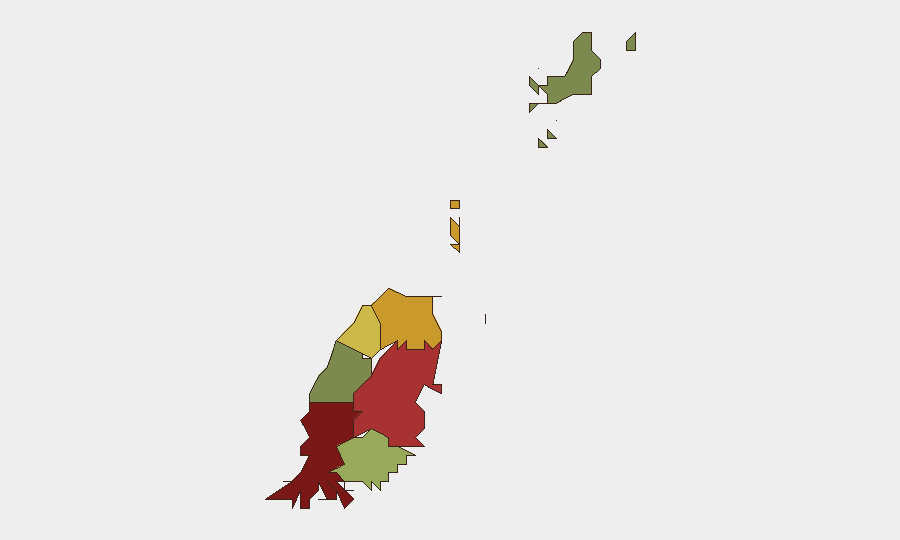
Situation Summary
Grenada's security environment remains stable with no confirmed new incidents reported in the last 24–48 hours. The national composite threat score of 2.6 places Grenada at #186 globally, reflecting a low-risk baseline. Regional monitoring of the Eastern Caribbean similarly shows no acute terrorism, armed robbery, kidnapping, infrastructure disruption, or civil unrest during this window. Current conditions support routine operations for corporate and expatriate personnel.
Key Developments
- Diplomatic Relations Shift (2026-07-04): Lebanon has reduced diplomatic relations with Grenada. No operational impact on Grenada's domestic security posture is evident, but entities with Lebanese business, diplomatic, or community ties should monitor for any secondary effects on local commerce or resident populations.
- No Acute Crime or Civil Unrest (last 24–48h, national): Open-source monitoring and regional Eastern Caribbean security briefings confirm absence of reported robbery surges, violent crime clusters, protests, or disorder in Grenada or neighboring islands during the assessment window.
- Cybersecurity Capacity Building (ongoing, not an incident): Grenada has participated in recent CSIRT readiness and cybersecurity seminars; no new cyberattacks, breaches, or infrastructure disruptions have been reported in the last 24–48 hours.
- Political Discourse Remains Non-Violent (reference window): Local media focus on governance accountability and election-related debate (National Democratic Congress manifesto review, infrastructure performance) reflects normal democratic process, not emerging civil unrest or political instability.
- Regional Baseline Quiet: Saint Vincent and the Grenadines and neighboring Eastern Caribbean jurisdictions report no major security incidents in the last 24–48 hours, suggesting no cross-border spillover risk affecting Grenada at present.
Highest-Risk Areas
Saint George (risk 92) and Saint Andrew (risk 78) drive national risk and warrant the closest attention, likely reflecting urban crime concentration and population density in the capital and its environs. Saint Patrick (71) and Saint Mark (64) present elevated but secondary risk; Saint David, Saint John, and Carriacou/Petite Martinique show substantially lower composite scores. Corporate and expatriate personnel should apply heightened situational awareness in the northern parishes—particularly Saint George—while recognizing that Grenada's overall threat level remains comparatively low. The gap between highest-risk areas (92) and lowest (12 in the islands) suggests risk is geographically concentrated rather than diffuse.
How GeoBit Would Assist
AOI Monitoring & Early Warning with persistent watch on Saint George and Saint Andrew would provide immediate alerting if new crime spikes, civil unrest, or political instability emerge in high-risk zones. Intel Sweep, OSINT Fusion, and Multi-Language Search enable 24/7 tracking of Grenadian and regional news, social media, government announcements, and Telegram/X feeds to catch any developments before they escalate. Network & Actor Analysis can map local organized-crime or gang relationships if needed for duty-of-care risk assessment of specific locations or communities.
7-Day Outlook
No material change in Grenada's baseline security environment is forecast for the next seven days absent new triggering events. The Lebanon diplomatic shift warrants brief monitoring for any secondary commercial or consular activity, but should not materially elevate country-level risk. Routine corporate security protocols—location awareness in Saint George, after-hours travel caution, and standard incident reporting—remain proportionate and sufficient.
Highest-Risk Areas — Ranked
| # | State / Region | Risk |
|---|---|---|
| 1 | Saint George | 92 |
| 2 | Saint Andrew | 78 |
| 3 | Saint Patrick | 71 |
| 4 | Saint Mark | 64 |
| 5 | Saint David | 52 |
| 6 | Saint John | 38 |
| 7 | Carriacou and Petite Martinique | 12 |
Sources
Previous Daily Briefs
A new Grenada brief is written every day — each with its own risk map and downloadable CSV. Here's the last week; use the calendar to go further back.
📅 Browse every day by calendar →
Highlighted days have a brief. Tap a day for that day's map & analysis, or “csv” for that day's dataset ($5).
Atlas — our AI intelligence desk — emails them this snapshot personally. Nothing else, no list.