Situation Summary
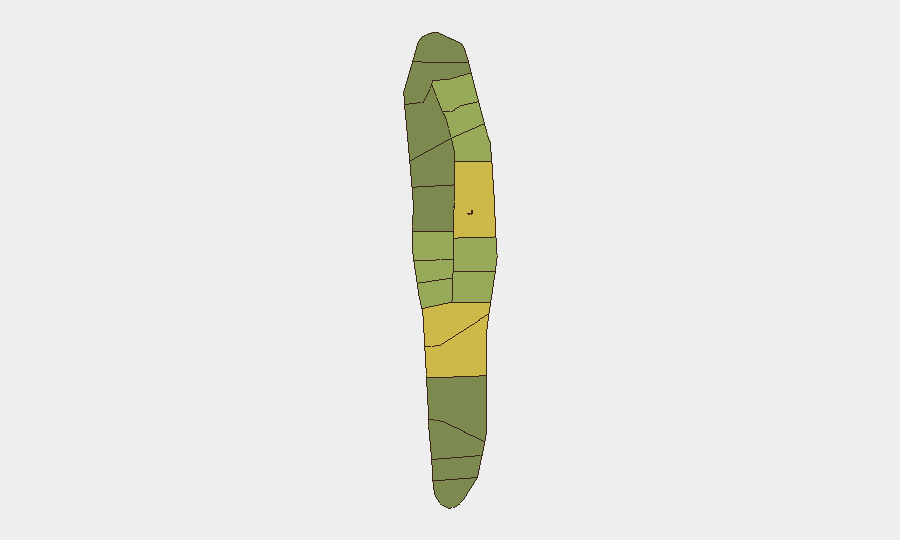
The Maldives remains a low-threat environment globally (rank #166, composite score 5) with no discrete security incidents reported in the last 24–48 hours. The primary security attention is concentrated in Malé and its immediate atoll, where administrative density and tourism infrastructure create elevated operational risk (85 and 68, respectively). A WHO medical-product alert issued 3 July regarding falsified DARZALEX batches detected in May–June represents an ongoing regulatory concern rather than an acute security event. Overall trajectory is stable with no indicators of imminent civil unrest, political instability, or infrastructure disruption.
Key Developments
No verified security, conflict, civil-unrest, crime, political-instability, or acute travel-risk events occurred in Maldives during 2–4 July 2026.
Regulatory Alert (WHO, published 3 July; detected May–June 2026): Falsified daratumumab (DARZALEX) injection batches identified in Maldives and Mexico by national regulators. This is a medical-supply integrity issue affecting pharmaceutical supply chains rather than a security incident, but poses acute duty-of-care and supply-chain risk for organizations with healthcare operations or employee medical support in-country.
Highest-Risk Areas
Malé (risk 85) and Malé Atoll (risk 68) account for the majority of composite risk, driven by population density, tourism infrastructure, port activity, and administrative concentration. Hadhdhunmathi (65) and Kolhumadulu (60) follow as secondary concern zones; these northern and central atolls likely reflect maritime transit corridors and inter-island connectivity vulnerabilities. Risk in outer atolls (Faadhippolhu southward, scores 40–52) remains materially lower but non-negligible. For organizations with personnel or assets in Malé, standard urban crime awareness and maritime-route monitoring remain prudent; outer-atoll operations face lower absolute risk but reduced emergency-response capacity.
How GeoBit Would Assist
AOI Monitoring & Early Warning would provide persistent watch on Malé, Malé Atoll, and maritime chokepoints, with alerting on police activity, political gatherings, or infrastructure disruptions before they escalate. Intel Sweep and multi-language OSINT (including X/Twitter, Telegram, and local news feeds) would detect emerging political or social tension, labor disputes, or transnational criminal activity earlier than commercial travel advisories. Maritime & Aviation Tracking would support route-risk assessment for personnel or cargo movements between atolls and to/from regional hubs. GIS & Spatial Analysis would map safe zones, alternative routings, and emergency-response accessibility in fragmented island geography.
7-Day Outlook
No acute security triggers are forecast for 4–11 July. The Maldives faces no reported election, major political event, or seasonal crime spike in this window. Pharmaceutical supply-chain vigilance should remain elevated pending WHO and Maldivian regulator updates on DARZALEX batch recalls and remediation. Routine maritime and urban awareness measures remain appropriate; any shift would likely emerge via local police or government advisory channels first, followed by international travel warnings.
Highest-Risk Areas — Ranked
| # | State / Region | Risk |
|---|---|---|
| 1 | Malé | 85 |
| 2 | Malé Atoll | 68 |
| 3 | Hadhdhunmathi | 65 |
| 4 | Kolhumadulu | 60 |
| 5 | Felidhu Atoll | 58 |
| 6 | Mulaku Atoll | 55 |
| 7 | Faadhippolhu | 52 |
| 8 | South Miladhunmadulu | 48 |
| 9 | North Miladhunmadulu | 45 |
| 10 | South Nilandhe Atoll | 44 |
| 11 | North Nilandhe Atoll | 42 |
| 12 | South Ari Atoll | 40 |
Sources
Previous Daily Briefs
A new Maldives brief is written every day — each with its own risk map and downloadable CSV. Here's the last week; use the calendar to go further back.
📅 Browse every day by calendar →
Highlighted days have a brief. Tap a day for that day's map & analysis, or “csv” for that day's dataset ($5).
Atlas — our AI intelligence desk — emails them this snapshot personally. Nothing else, no list.