Situation Summary
Slovenia remains a low-threat environment with a composite threat score of 8 and no tracked security incidents in the current reporting period. The country continues to experience petty crime and vehicle-related incidents—particularly in tourist areas and along motorways—as the primary persistent security concern. The discovery of unexploded ordnance in a forest near Postojna underscores legacy contamination risks from historical conflict, though such findings are routine and managed through established civil protection protocols. Overall trajectory is stable with no indicators of escalation.
Key Developments
- Javornik, Municipality of Postojna — September 16: Slovenian Armed Forces personnel discovered two unexploded ordnance items in a forest. The discovery was reported and handled by Slovenia's Administration for Civil Protection and Disaster Relief, consistent with ongoing demining efforts in conflict-affected regions.
- Slovenia, nationwide — September 21: German travel guidance updated to flag continuing petty crime risks, including vehicle break-ins, theft of license plates, and potentially fraudulent vehicle repair and towing services. Risk concentration identified in crowded areas, motorway service stations, and holiday destinations.
- Slovenia's UN mission, Geneva — September 17: Slovenia formally expressed diplomatic concern regarding the reported use and civilian impact of cluster munitions. Statement was a position paper rather than a domestic security incident.
Highest-Risk Areas
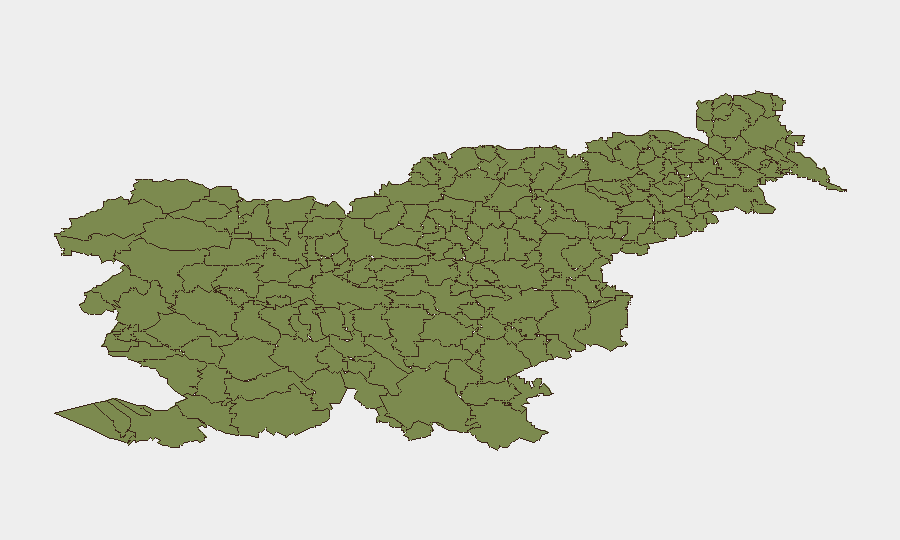
All 12 sub-national areas tracked by GeoBit carry a composite risk score of zero, indicating homogeneous low-threat conditions across Slovenia. The northwestern border regions—Bovec, Kobarid, Kanal, Kranjska Gora, and surrounding municipalities—historically carry slightly elevated attention due to terrain complexity and legacy UXO contamination from the 1991–92 Slovenian Independence War, but current active threat levels remain minimal. Tourist and transit corridors (particularly motorway routes and popular destinations in the Julian Alps) experience higher incidence of petty crime and vehicle-related theft than remote or urban commercial zones, though absolute rates remain low. No geographic area shows elevated conflict, organized crime, or stability risk.
How GeoBit Would Assist
Security teams with personnel or assets in Slovenia can employ AOI Monitoring & Early Warning to maintain persistent watch on known UXO discovery zones and border transit points, with automated alerting if local incidents escalate. OSINT fusion and multi-language search capabilities enable continuous monitoring of Slovenian news, social media, and official announcements to detect emerging petty crime trends or travel advisories before they affect operations. Routing & Network Analysis helps identify safer transit corridors on motorways and into tourist zones, reducing exposure to vehicle theft and service-station fraud hotspots identified in this week's German travel guidance updates.
7-Day Outlook
No indicators suggest material change in Slovenia's security posture over the next seven days. Petty crime and vehicle-related incidents will likely persist at current baseline levels, particularly during peak tourism and weekend transit periods. UXO discoveries are expected to continue as routine civil protection matters without impact on corporate operations or broader stability.
Highest-Risk Areas — Ranked
| # | State / Region | Risk |
|---|---|---|
| 1 | Bovec | 0 |
| 2 | Kobarid | 0 |
| 3 | Kanal | 0 |
| 4 | Kranjska Gora | 0 |
| 5 | Gorje | 0 |
| 6 | Tolmin | 0 |
| 7 | Bohinj | 0 |
| 8 | Cerkno | 0 |
| 9 | Brda | 0 |
| 10 | Šempeter-Vrtojba | 0 |
| 11 | Renče-Vogrsko | 0 |
| 12 | Miren-Kostanjevica | 0 |
Sources
Previous Weekly Briefs
A new Slovenia brief is written every Monday, covering the week — each with its own risk map and downloadable CSV. Use the calendar to go further back.
- September 15, 2026
- September 8, 2026
- September 1, 2026
- August 29, 2026
- August 26, 2026
- August 23, 2026
- August 20, 2026
📅 Browse past briefs by calendar →
Highlighted days have a brief. Tap a day for that day's map & analysis, or “csv” for that day's dataset ($5).
Atlas — our AI intelligence desk — emails them this snapshot personally. Nothing else, no list.