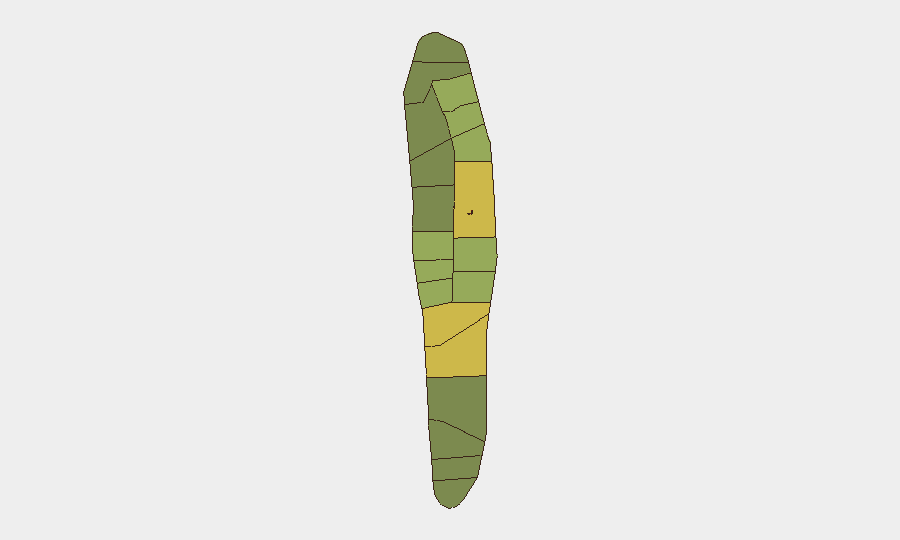
Situation Summary
Maldives remains a low-threat environment globally (rank #158, composite score 5) with no confirmed security incidents, civil unrest, or infrastructure disruptions reported in the last 24–48 hours. Risk remains concentrated in the capital region, particularly Malé (sub-national risk 85), driven by longstanding political sensitivities and historical security concerns rather than active incidents. The threat landscape is stable with no indicators of imminent escalation.
Key Developments
No confirmed security, conflict, civil-unrest, crime, infrastructure, or travel-risk incidents were verified in Maldives during 2026-07-05 to 2026-07-06. An unconfirmed report regarding a security warning at Velana International Airport (VIA/MACL) on 2026-07-06 was dismissed by Maldives Airports Company Limited and does not establish a current threat or operational disruption. Background monitoring of Mohamed Nasheed–related security concerns continues but reflects historical threat context rather than new developments.
Highest-Risk Areas
Malé and Malé Atoll dominate the sub-national risk ranking (85 and 68 respectively), reflecting the capital's concentration of political institutions, diplomatic presence, and historical security sensitivities. The northern atolls—Hadhdhunmathi (65), Kolhumadulu (60), and Felidhu (58)—show elevated but secondary risk, likely linked to remoteness, limited state presence, and maritime exposure. Southern and outer atolls remain lower-risk zones. Risk in Malé is structural rather than event-driven, warranting baseline security protocols for personnel and assets in the capital rather than elevated alert status.
How GeoBit Would Assist
Security teams should deploy AOI Monitoring & Early Warning on Malé and Malé Atoll to detect rapid changes in political activity, protest formation, or airport/port disruptions before they impact operations. OSINT fusion (X/Twitter, Telegram, local news feeds, and sentiment analysis) would provide real-time visibility into emerging civil-unrest signals and political rhetoric, particularly around Mohamed Nasheed and opposition movements. Maritime & Aviation tracking combined with Routing & Network Analysis enables duty-of-care teams to identify alternative transit corridors and safe-haven logistics if Velana International or port operations face unexpected disruption.
7-Day Outlook
No acute threat indicators suggest elevated risk over the next seven days. Routine monitoring should continue on political rhetoric and capital-region stability; seasonal monsoon weather and routine maritime activity are the primary operational considerations. Recommend maintaining baseline security posture and passive monitoring for any political statements or opposition activity that could signal shifting threat dynamics in Malé.
Highest-Risk Areas — Ranked
| # | State / Region | Risk |
|---|---|---|
| 1 | Malé | 85 |
| 2 | Malé Atoll | 68 |
| 3 | Hadhdhunmathi | 65 |
| 4 | Kolhumadulu | 60 |
| 5 | Felidhu Atoll | 58 |
| 6 | Mulaku Atoll | 55 |
| 7 | Faadhippolhu | 52 |
| 8 | South Miladhunmadulu | 48 |
| 9 | North Miladhunmadulu | 45 |
| 10 | South Nilandhe Atoll | 44 |
| 11 | North Nilandhe Atoll | 42 |
| 12 | South Ari Atoll | 40 |
Sources
Previous Daily Briefs
A new Maldives brief is written every day — each with its own risk map and downloadable CSV. Here's the last week; use the calendar to go further back.
📅 Browse every day by calendar →
Highlighted days have a brief. Tap a day for that day's map & analysis, or “csv” for that day's dataset ($5).
Atlas — our AI intelligence desk — emails them this snapshot personally. Nothing else, no list.