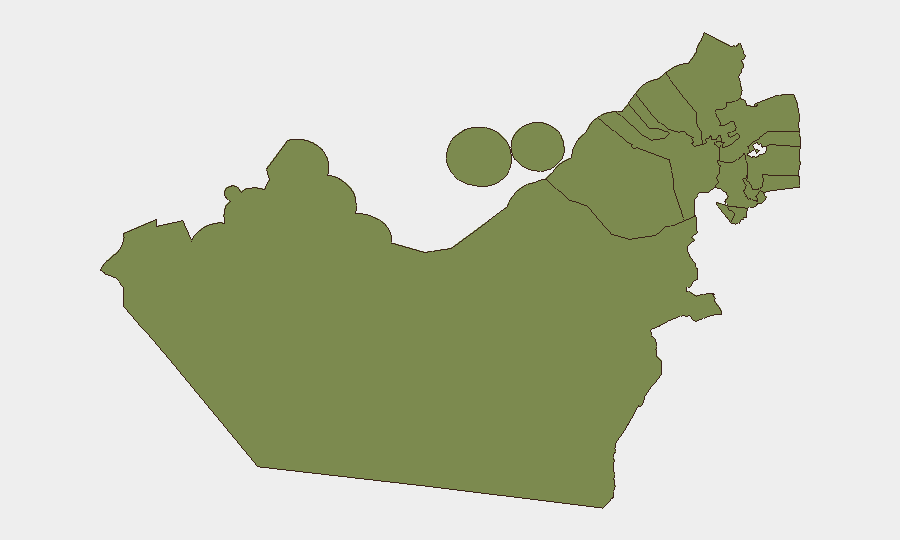
Situation Summary
The United Arab Emirates remains a stable, low-threat environment with no major security incidents, civil unrest, or infrastructure disruptions reported in the past 24–48 hours. Normal operations continue across aviation, critical infrastructure, and urban centers (Dubai, Abu Dhabi, Sharjah). However, the region maintains heightened vigilance tied to ongoing Iran–Gulf tensions, and Dubai's elevated composite risk score (31.3) reflects its role as a high-profile commercial and logistics hub vulnerable to regional spillover.
Key Developments
- Nationwide, UAE – 31 July 2026
No new missile, drone, or debris incidents recorded; authorities maintain routine heightened alert tied to regional tensions but report no impact to critical infrastructure.
- Dubai & Abu Dhabi – 31 July 2026
Airport operations and airspace remain normal; no new closures, evacuations, or disruptions reported in the past 24–48 hours.
- Nationwide, UAE – 31 July 2026
Crime and personal-safety assessments show no new spikes in theft, assault, or targeted violence against foreigners; overall crime levels remain low.
- Nationwide, UAE – 31 July 2026
Civil unrest monitoring confirms no verified protests, riots, or organized demonstrations in major urban centers.
- Nationwide, UAE – 30–31 July 2026
Multiple UAE public statements and diplomatic signals released; concurrent European Parliament disapproval motion noted. No domestic security incidents tied to these diplomatic events.
- Nationwide, UAE – 31 July 2026
Energy, water, healthcare, communications, and retail services operating normally with contingency measures in place; no emergency disruptions reported.
Highest-Risk Areas
Dubai's significantly elevated risk score (31.3 vs. 1.3 for all other emirates) reflects its concentration of critical national infrastructure, international commerce, tourism, and aviation hubs, which increases exposure to both regional tensions and transnational threats. The remaining six emirates cluster at materially lower risk, indicating Dubai absorbs the largest share of UAE-wide threat vectors. Corporate and logistics operations in Dubai warrant enhanced situational awareness and contingency planning relative to lower-density emirates, though absolute risk remains manageable under current conditions.
How GeoBit Would Assist
Security teams protecting people and assets in the UAE should deploy persistent AOI Monitoring & Early Warning on Dubai's airport, port, and financial district, with automated alerting for emerging civil unrest, infrastructure incidents, or attack indicators. Intel Sweep and multi-language OSINT fusion (social media, Telegram, local news) provide real-time corroboration of stability claims and early detection of nascent threats before they escalate. Routing & Network Analysis supports contingency planning for staff movement and supply-chain resilience in Dubai if regional tensions spike or aviation is disrupted.
7-Day Outlook
Current conditions are expected to remain stable, with no imminent shift in threat posture anticipated over the next 7 days. Continued diplomatic activity and regional tension management will likely preserve the UAE's status as a controlled, low-incident operating environment, though security teams should maintain elevated awareness of potential spillover from Iran–Gulf dynamics or maritime incidents in the Gulf of Oman.
Highest-Risk Areas — Ranked
| # | State / Region | Risk |
|---|---|---|
| 1 | Dubai | 31.3 |
| 2 | Sharjah Emirate | 1.3 |
| 3 | Ajman Emirate | 1.3 |
| 4 | Ras al-Khaimah | 1.3 |
| 5 | Fujairah Emirate | 1.3 |
| 6 | Umm al-Quwain | 1.3 |
| 7 | Abu Dhabi Emirate | 1.3 |
Sources
Previous Daily Briefs
A new United Arab Emirates brief is written every day — each with its own risk map and downloadable CSV. Here's the last week; use the calendar to go further back.
📅 Browse every day by calendar →
Highlighted days have a brief. Tap a day for that day's map & analysis, or “csv” for that day's dataset ($5).
Atlas — our AI intelligence desk — emails them this snapshot personally. Nothing else, no list.