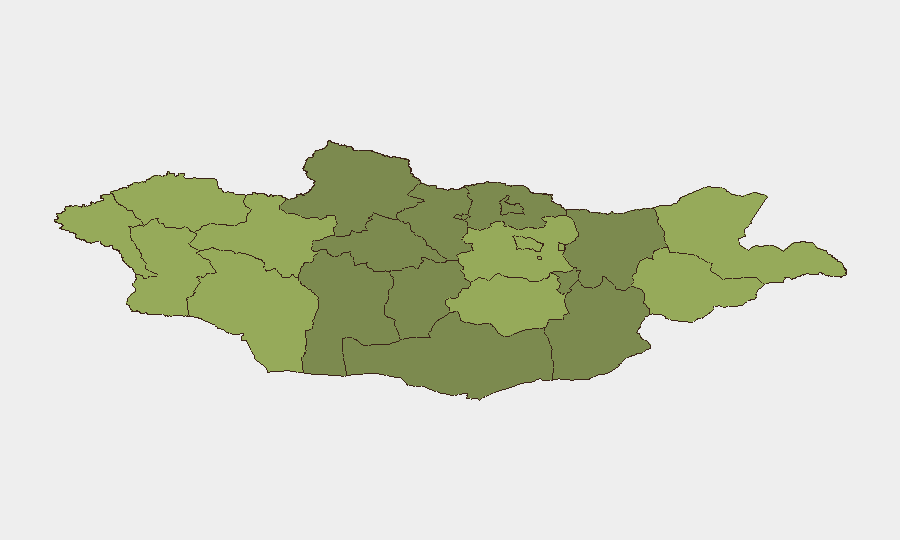
Situation Summary
Mongolia remains a low-threat environment globally (rank #146, composite score 10) with no tracked security incidents in the reporting week. However, localized risks persist in border and western regions, and a wildlife emergency has prompted nationwide precautionary measures. The country's overall security posture is stable, though operational disruptions from civilian protests (fuel shortages, price inflation) that began October 1 may continue to affect logistics and movement.
Key Developments
- 7 October, Selenge Province (Russia–Mongolia border): Mongolia activated enhanced health surveillance at border crossings following confirmation that a laboratory worker at an Irkutsk plague research institute in Russia had died. Authorities assessed contagion risk as low and kept crossings operational.[7][8]
- 7 October, Bayanzürkh District (Ulaanbaatar outskirts): A brown bear entered a family ger, fatally attacking a man in his 40s and seriously injuring a woman in her 50s. Rangers initiated a search for the animal.
- 8–12 October, Ulaanbaatar and 11 provinces: Government wildlife officials issued precautionary restrictions on school and kindergarten outings in forested and mountainous areas following the fatal bear attack and a reported spike in bear encounters across the country. Officials documented 754 bear sightings in 2026 to date.
- 9–13 October, Ulaanbaatar and designated provincial areas: The government announced emergency wildlife-safety measures, including 1.8 billion Mongolian tögrök in funding for capture and deterrence equipment. Authorities reported permits to cull 27 brown bears; six had been killed under police supervision by week's end.
- Ongoing, Ulaanbaatar and national: Protests initiated October 1 over fuel shortages and rising fuel and food prices continued, with drivers blocking traffic near government and parliament areas. No new escalations or violence reported in the past week.
Highest-Risk Areas
Dornod, Sükhbaatar, and Uvs provinces carry the highest composite threat scores (58, 55, and 52 respectively), driven primarily by remote geography, limited state presence, and cross-border dynamics in the east and north. Uvs, Khovd, and Bayan-Ölgii in the west add instability related to distance from capital oversight and cross-border contact. Ulaanbaatar (rank 7, score 45) remains moderate-risk due to protest activity and urban concentration, though incidents remain non-violent. Eastern and western border zones warrant closer monitoring for smuggling, irregular movement, and transnational crime.
How GeoBit Would Assist
Organizations with operations or personnel in Mongolia should use AOI Monitoring & Early Warning to track Dornod, Sükhbaatar, and Uvs provinces for cross-border activity and emerging instability. Multi-language OSINT and event-feed fusion provide real-time alerts on protests, supply-chain disruptions (fuel, food), and health/wildlife emergencies. Routing & Network Analysis helps security and logistics teams identify alternative transport corridors in case fuel shortages or protests block primary routes to Ulaanbaatar or border crossings.
7-Day Outlook
Protest activity over fuel and food prices is likely to persist in the near term, with potential for intermittent traffic disruption in and around Ulaanbaatar. Wildlife incidents may decline if bear-deterrence and culling operations gain traction, though school/outdoor restrictions will remain in effect. Border health monitoring will continue as a precaution; no escalation is currently signaled. Overall threat posture remains low.
Highest-Risk Areas — Ranked
| # | State / Region | Risk |
|---|---|---|
| 1 | Dornod | 58 |
| 2 | Sükhbaatar | 55 |
| 3 | Uvs | 52 |
| 4 | Khovd | 50 |
| 5 | Bayan-Ölgii | 48 |
| 6 | Govi-Altai | 46 |
| 7 | Ulaanbaatar | 45 |
| 8 | Zavkhan | 44 |
| 9 | Töv | 42 |
| 10 | Dundgovi | 40 |
| 11 | Darkhan-Uul | 38 |
| 12 | Ömnögovi | 37 |
Sources
Previous Weekly Briefs
A new Mongolia brief is written every Monday, covering the week — each with its own risk map and downloadable CSV. Use the calendar to go further back.
- October 6, 2026
- September 29, 2026
- September 22, 2026
- September 15, 2026
- September 8, 2026
- September 1, 2026
- August 30, 2026
📅 Browse past briefs by calendar →
Highlighted days have a brief. Tap a day for that day's map & analysis, or “csv” for that day's dataset ($5).
Atlas — our AI intelligence desk — emails them this snapshot personally. Nothing else, no list.