Situation Summary
Cuba faces a critical infrastructure crisis following a nationwide electric grid collapse on July 6, 2026, affecting approximately 10 million residents and triggering cascading telecommunications outages across the island. As of July 8, power restoration remains partial and uneven, with communications disruptions persisting and scheduled rolling blackouts compounding the acute emergency. The combination of fuel scarcity, prolonged outages, and limited communications has created elevated risk conditions for civil unrest, crime, and secondary safety hazards, particularly in densely populated areas. Concurrent U.S. sanctions announcements and hardening diplomatic rhetoric on July 7 add political friction to the immediate operational environment.
Key Developments
- July 6, 2026 – Nationwide Grid Collapse (All Cuba): Total failure of the national electrical system affecting the entire country; cause and restoration timeline unknown as of official announcements; U.S. Embassy Havana issued Security Alert recommending contingency planning for food, water, and medical supplies.
- July 6–7, 2026 – Partial Power Restoration (Havana & Select Provinces): Slow, uneven restoration began in Havana and other regions; residents report 48+ hours without power in some areas; system remains described as "increasingly unstable" with risk of further unscheduled outages.
- July 6–7, 2026 – Island-Wide Telecom & Internet Disruption (Cuba): Cellphone and internet outages linked to grid failure; social media reports confirm connectivity losses persisting into July 7; communications degradation limits situational awareness and emergency coordination.
- July 7, 2026 – U.S. Administrative Sanctions & Relations Reduction (Washington–Havana): U.S. Secretary of State announced new sanctions and formal reduction of diplomatic relations; Cuban leadership publicly rejected U.S. statements.
- July 7, 2026 – Political Defensiveness & Rhetoric (Havana): Cuban president made public statements denying political prisoners and dismissing international human-rights reports; official messaging emphasizes military readiness, signaling heightened political defensiveness amid crisis.
- July 7, 2026 – Airline Operations Rejection (Cuba): At least one airline rejected scheduled operations, suggesting flight disruptions related to infrastructure instability.
- July 6–7, 2026 – Heightened Civil-Unrest Risk Indicators (Nationwide): U.S. Embassy explicitly flagged blackout, fuel scarcity, and communications loss as security and safety risks; no major organized protests documented yet, but structural conditions favor spontaneous unrest.
Highest-Risk Areas
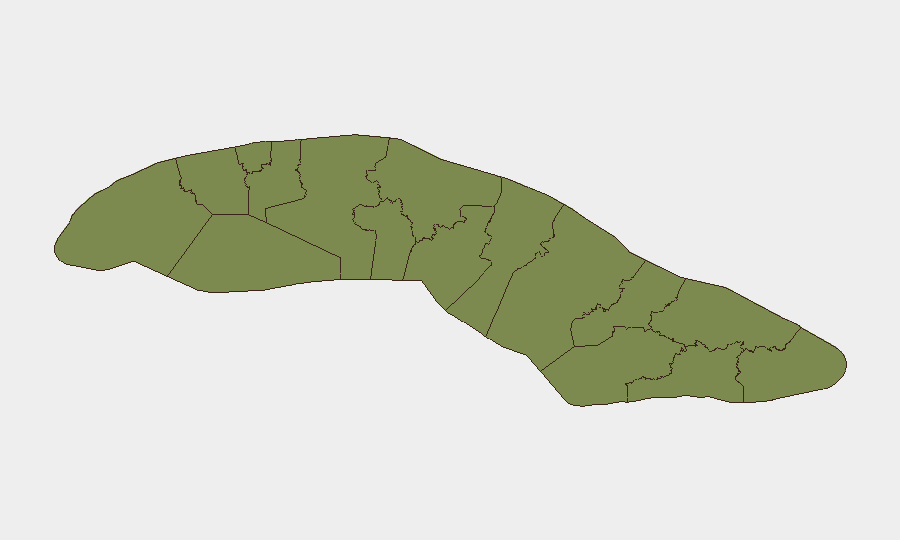
Sancti Spiritus (risk score 33.4) and Havana (29.3) comprise the dominant threat landscape, with Sancti Spiritus's elevated score likely reflecting combined infrastructure vulnerability, fuel constraints, and socioeconomic stress during extended outages. Havana, as the capital and primary population center (~2.1 million), concentrates communications disruption, law-enforcement response capacity, and protest potential, making it operationally critical for monitoring. Artemisa (11.0) shows secondary concern. Remaining provinces register lower baseline risk but remain susceptible to secondary effects (crime, unrest) as blackout duration extends.
How GeoBit Would Assist
AOI Monitoring & Early Warning on Havana, Sancti Spiritus, and key transport hubs would provide real-time detection of crowd gathering, protest formation, or security-force movements. OSINT fusion and sentiment analysis across X/Twitter, Telegram, and local social platforms would track civil-unrest sentiment and operational security developments minute-by-minute. Routing & Network Analysis would support alternative travel planning for personnel in blackout zones, while Satellite & Imagery analysis could confirm power-restoration progress and identify secondary infrastructure failures affecting water, fuel, or medical supply chains.
7-Day Outlook
The national grid collapse will likely remain the primary driver of risk through July 10–12; partial restoration may reduce acute infrastructure risk but will not eliminate communications fragility or rolling-blackout cycles. Civil unrest risk will rise if restoration stalls beyond 5–7 days or if fuel shortages trigger secondary supply-chain failures (water, food, pharmaceuticals). Diplomatic friction and internal security messaging suggest heightened state security posturing, which may suppress large organized protests but increase police and checkpoint activity and arbitrary detention risk.
Highest-Risk Areas — Ranked
| # | State / Region | Risk |
|---|---|---|
| 1 | Sancti Spiritus | 33.4 |
| 2 | Havana | 29.3 |
| 3 | Artemisa | 11 |
| 4 | Santiago de Cuba | 4.3 |
| 5 | Matanzas | 4 |
| 6 | Mayabeque | 3.8 |
| 7 | Isle of Youth | 3.8 |
| 8 | Camagüey | 3.8 |
| 9 | Granma | 3.8 |
| 10 | Pinar del Rio | 3.4 |
| 11 | Cienfuegos | 3.4 |
| 12 | Villa Clara | 3.4 |
Sources
Previous Daily Briefs
A new Cuba brief is written every day — each with its own risk map and downloadable CSV. Here's the last week; use the calendar to go further back.
📅 Browse every day by calendar →
Highlighted days have a brief. Tap a day for that day's map & analysis, or “csv” for that day's dataset ($5).
Atlas — our AI intelligence desk — emails them this snapshot personally. Nothing else, no list.