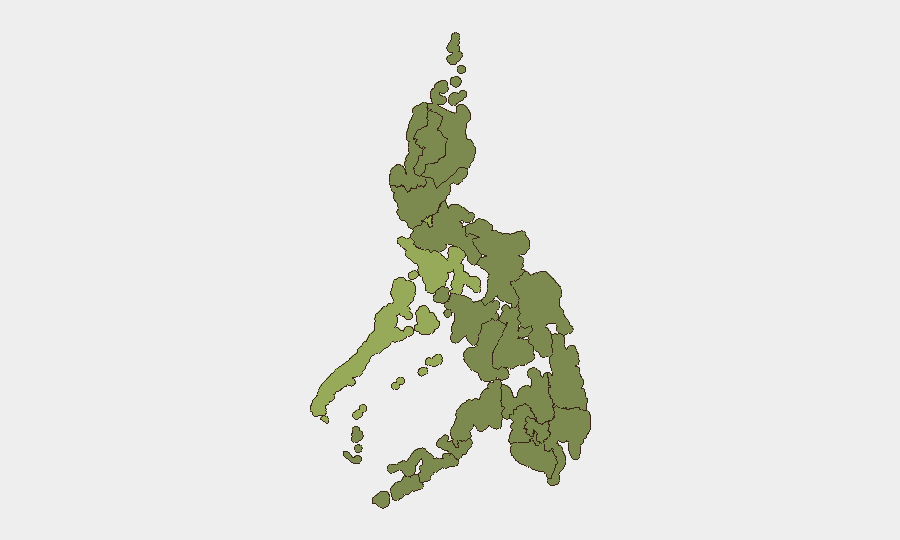
Situation Summary
The Philippines faces a composite threat level placing it at #48 globally, driven by heightened political tensions, maritime security challenges, and recurring attacks on government infrastructure. The past 48 hours have seen significant escalation in Metro Manila, with bomb threats at the House of Representatives, elevated perimeter security at the Senate, and continued defacement of government websites. Regional instability remains concentrated in Mimaropa and Metro Manila, while West Philippine Sea tensions and seismic activity add to the operational security picture.
Key Developments
- Quezon City, House of Representatives (17 June): Philippine National Police deployed additional forces and tightened access controls after bomb threats were reported at the Batasang Pambansa Complex, resulting in heightened screening protocols.
- Pasay City, Senate of the Philippines (16–17 June): Wire barricades and increased police presence installed around the Senate building; security ramp-up attributed to recent alerts and leadership changes, with access restrictions limiting public and vehicle movement.
- West Philippine Sea, Scarborough Shoal (16–17 June): Philippine Task Force reported aerial identification of a 6×6-meter floating platform with antenna structure operating within Scarborough Shoal; Manila has lodged diplomatic action and classified the presence as illegal, with U.S. intelligence assessing it as a potential step toward permanent Chinese positioning.
- Metro Manila, Government Websites (mid-June, assessed 16–17 June): Following earlier compromises of Senate and House websites, the National Bureau of Investigation website was defaced over the weekend preceding 17 June; authorities flagged continued vulnerability of high-profile government infrastructure and potential erosion of public and investor confidence.
- Pasay City, Senate Operations (16 June): Senate employees returned to on-site work after a temporary work-from-home arrangement prompted by an earlier security alert, indicating that immediate threats were addressed but elevated security posture remains.
- National Announcement (17 June): Department of National Defense publicized plans for over 500 joint military activities with regional partners in 2026, signaling continued military cooperation amid West Philippine Sea tensions.
- Seismic Activity (recent): Two moderate earthquakes—M 6.2 near Pondaguitan and M 5.5 near Pangyan—recorded in recent cycle, with potential implications for critical infrastructure and emergency response readiness.
Highest-Risk Areas
Mimaropa ranks significantly above all other regions (55.8), followed by Metro Manila (43.4), making the capital and outlying western island zones the primary concentration of tracked threat activity. Metro Manila's elevated risk reflects ongoing political tensions, government facility security incidents, and cyber attacks on state infrastructure, while Mimaropa's high score suggests persistent criminality, maritime security concerns, or organized instability. The Cordillera Administrative Region (34.6) and Ilocos Region (27.5) round out elevated risk zones, with lower-tier regions showing more moderate but persistent baseline threat levels.
How GeoBit Would Assist
Security teams managing Philippines operations would deploy AOI Monitoring & Early Warning on government complexes and critical infrastructure (House, Senate, NBI facilities) to detect unauthorized access, gatherings, or anomalies preceding public incidents. Cyber & Network Analysis paired with OSINT fusion (tracking defacement trends, actor communications on X/Telegram, and attribution signals) provides early detection of coordinated government website compromises. Maritime & Aviation tracking combined with GIS & Spatial Analysis enables real-time monitoring of West Philippine Sea activity, Chinese platform movements, and chokepoint access near corporate or supply-chain assets.
7-Day Outlook
Expect continued elevated security posture at legislative and judicial facilities in Metro Manila over the next week as political tensions remain high and threats remain unresolved. Maritime tensions in the West Philippine Sea will likely persist, with diplomatic activity and monitoring intensifying; maritime-dependent supply chains should prepare for potential access disruptions. Cyber attacks on government targets and critical infrastructure will remain a secondary but persistent risk vector, with downstream effects on public services and investor confidence.
Highest-Risk Areas — Ranked
| # | State / Region | Risk |
|---|---|---|
| 1 | Mimaropa | 55.8 |
| 2 | Metro Manila | 43.4 |
| 3 | Cordillera Administrative Region | 34.6 |
| 4 | Ilocos Region | 27.5 |
| 5 | Zamboanga Peninsula | 27.5 |
| 6 | Bangsamoro | 25.8 |
| 7 | Caraga | 25.8 |
| 8 | Northern Mindanao | 25.8 |
| 9 | Soccsksargen | 25.8 |
| 10 | Davao Region | 25.8 |
| 11 | Cagayan Valley | 25.8 |
| 12 | Central Luzon | 25.8 |
Sources
Previous Daily Briefs
A new Philippines brief is written every day — each with its own risk map and downloadable CSV. Here's the last week; use the calendar to go further back.
📅 Browse every day by calendar →
Highlighted days have a brief. Tap a day for that day's map & analysis, or “csv” for that day's dataset ($5).