Situation Summary
Malaysia remains at composite threat rank #159 globally with a score of 4, reflecting a generally stable security environment punctuated by localized volatility in Negeri Sembilan and Johor. The last 24–48 hours have been characterized by routine crime and police infrastructure hardening rather than systemic unrest or militant escalation. Cyber-threat levels remain elevated following recent infrastructure incidents, though physical security risk remains geographically concentrated and non-acute in the current operational window.
Key Developments
- Bandar Sunway, Selangor (10 July, early morning): A brawl at a café left three men injured; police are investigating under Section 148 of the Penal Code (rioting while armed) and have secured CCTV footage and witness statements. The incident occurred in a busy commercial area and represents an isolated violent-crime event rather than organized unrest.
- Kelantan police facilities, Bachok (10 July): Royal Malaysia Police Kelantan Contingent responded to a series of threats directed at the Bachok shooting range by tightening security at all police facilities, including deployment of additional personnel and CCTV installation requests. This targeted threat against law-enforcement infrastructure may marginally affect local access and police posture in the state.
- National cyber posture (9–11 July): No new verified civil unrest, terrorism, or major domestic crime incidents confirmed in the 24–48 hour window; cyber-threat assessment remains elevated following earlier parking-system and infrastructure attacks, but no new acute incidents reported.
- Johor and Kuala Lumpur (as of 10–11 July): GeoBit briefs confirm these states as highest-risk by composite score, driven primarily by governance and regulatory enforcement activity. No confirmed mass unrest or militant activity in the current 24–48 hour period, though routine crime and regulatory vigilance remain warranted.
- Eastern Sabah maritime zone (persistent advisory, mid-July): Foreign office advisories maintain warnings against private vessel transits and island travel in Semporna, Pom-Pom, and adjacent waters due to ongoing kidnapping and armed-attack risk. This reflects a structural rather than newly escalated threat posture specific to coastal/island operations.
Highest-Risk Areas
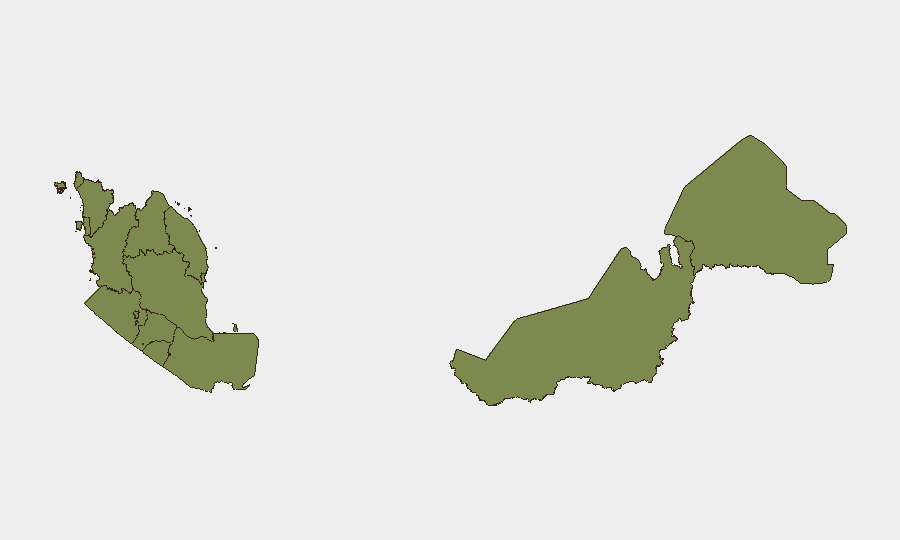
Negeri Sembilan (31.5) and Johor (29) drive the national risk composite, with Negeri Sembilan's elevated score appearing tied to governance and regulatory friction, while Johor's reflects a combination of crime, cross-border dynamics, and localized enforcement activity. Sarawak (8) is the third-highest risk area, suggesting underlying governance or community-stability factors distinct from the peninsula. Kuala Lumpur (4.7), despite its commercial importance, ranks fourth, indicating that urban crime and regulatory issues remain manageable at current levels. For corporate operations, Johor's proximity to Singapore and Negeri Sembilan's interior location should inform travel routing and site-security protocols.
How GeoBit Would Assist
Security teams monitoring Malaysia would prioritize AOI Monitoring & Early Warning on Johor, Negeri Sembilan, and eastern Sabah to capture emerging civil or regulatory friction before escalation. OSINT fusion (X/Twitter, Telegram, local media, and radio SIGINT) provides real-time event detection and sentiment tracking across governance and community actors. Routing & Network Analysis assists in planning travel corridors that avoid high-risk zones and identifies alternative supply-chain routes around Johor and coastal Sabah interdiction zones.
7-Day Outlook
No acute escalation is anticipated over the next seven days; governance and regulatory tensions in Negeri Sembilan and Johor are likely to remain localized and non-violent. Cyber-risk will persist as a secondary operational concern, and maritime kidnapping risk in eastern Sabah will continue to require elevated diligence for any vessel or island-based activity. Routine crime and police enforcement will remain the primary duty-of-care focus for corporate personnel in urban centers.
Highest-Risk Areas — Ranked
| # | State / Region | Risk |
|---|---|---|
| 1 | Negeri Sembilan | 31.5 |
| 2 | Johor | 29 |
| 3 | Sarawak | 8 |
| 4 | Kuala Lumpur | 4.7 |
| 5 | Kelantan | 3.9 |
| 6 | Malacca | 3.9 |
| 7 | Penang | 3.1 |
| 8 | Pahang | 3.1 |
| 9 | Sabah | 2.3 |
| 10 | Perlis | 1.5 |
| 11 | Kedah | 1.5 |
| 12 | Perak | 1.5 |
Previous Daily Briefs
A new Malaysia brief is written every day — each with its own risk map and downloadable CSV. Here's the last week; use the calendar to go further back.
📅 Browse every day by calendar →
Highlighted days have a brief. Tap a day for that day's map & analysis, or “csv” for that day's dataset ($5).
Atlas — our AI intelligence desk — emails them this snapshot personally. Nothing else, no list.