Situation Summary
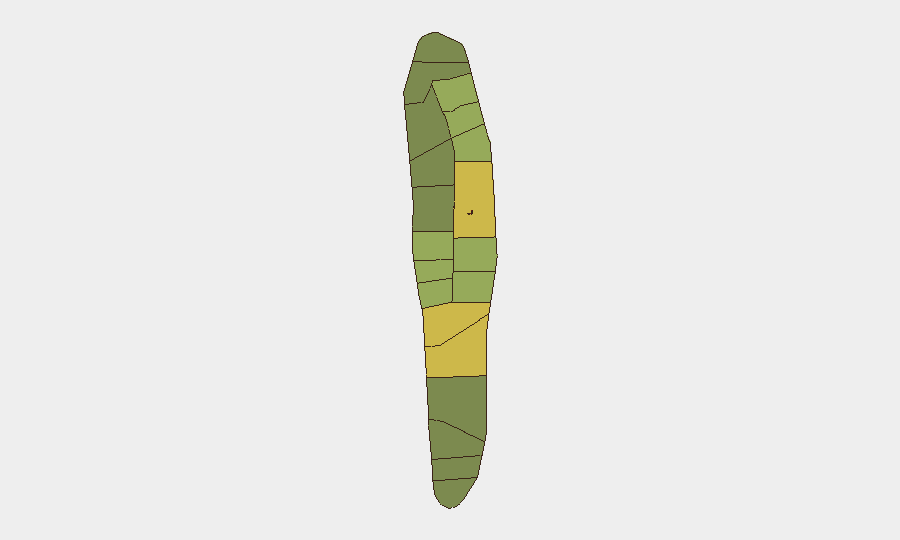
Maldives presents a composite threat score of 3, with no tracked major security incidents in the current reporting window. Open-source monitoring confirms no verified attacks, civil unrest, or political violence in the last 24–48 hours. Drug enforcement activity remains routine; the primary development is a four-person narcotics arrest on 22 July in Raa Atoll. The security trajectory remains stable, though sub-national risk concentration in Malé and its atoll presents persistent structural vulnerabilities.
Key Developments
- Raa Atoll (Dhuvaafaru island) – Drug trafficking arrests | 22 July 2026
Maldives Police Counter Narcotics Intelligence and Dhuvaafaru Police arrested four men aged 19–22 on charges of drug use and dealing. Officers seized suspected drugs and consumption equipment from a café following a court-authorized search. All four were remanded pending investigation (sentences ranging 10–15 days).
- No additional verified incident-level events in the last 24–48 hours confirmed by cross-source open monitoring of national news, foreign travel advisories, and regional security feeds.
Highest-Risk Areas
Malé and Malé Atoll (risk scores 85 and 68 respectively) account for the majority of national risk concentration, driven by population density, maritime chokepoint exposure, and documented structural vulnerabilities to civil unrest and petty crime. Hadhdhunmathi, Kolhumadulu, and Felidhu Atoll (scores 65, 60, 58) present secondary risk clusters. Risk tapering in outer atolls (North Nilandhe, South Ari Atoll at 42–40) reflects lower population and administrative capacity, though isolation may limit emergency response. Corporate and diplomatic presence concentrated in Malé should prioritize duty-of-care protocols for civil disorder and supply-chain disruption.
How GeoBit Would Assist
Intel Sweep and OSINT fusion across national news, social platforms, and multi-language sources would provide real-time corroboration of emerging incidents and early detection of civil unrest precursors. AOI Monitoring & Early Warning configured on Malé, transportation hubs, and key resort clusters would enable persistent, automated alerting of security-material developments affecting personnel or assets. Risk & Threat Assessment and Network & Actor Analysis capabilities would track drug-trafficking and organized-crime actor movements and supply routes, informing asset-protection and travel-routing decisions across the atoll chain.
7-Day Outlook
No major escalation in security posture is indicated for the next seven days based on current signal absence and baseline threat assessment. Routine drug enforcement will likely continue; personnel and assets in Malé should maintain standard precautions against petty crime and civil-order risks. Regional maritime and aviation tracking remains advisable given Maldives' strategic position and dependency on tourism and import logistics.
Highest-Risk Areas — Ranked
| # | State / Region | Risk |
|---|---|---|
| 1 | Malé | 85 |
| 2 | Malé Atoll | 68 |
| 3 | Hadhdhunmathi | 65 |
| 4 | Kolhumadulu | 60 |
| 5 | Felidhu Atoll | 58 |
| 6 | Mulaku Atoll | 55 |
| 7 | Faadhippolhu | 52 |
| 8 | South Miladhunmadulu | 48 |
| 9 | North Miladhunmadulu | 45 |
| 10 | South Nilandhe Atoll | 44 |
| 11 | North Nilandhe Atoll | 42 |
| 12 | South Ari Atoll | 40 |
Sources
Previous Daily Briefs
A new Maldives brief is written every day — each with its own risk map and downloadable CSV. Here's the last week; use the calendar to go further back.
📅 Browse every day by calendar →
Highlighted days have a brief. Tap a day for that day's map & analysis, or “csv” for that day's dataset ($5).
Atlas — our AI intelligence desk — emails them this snapshot personally. Nothing else, no list.