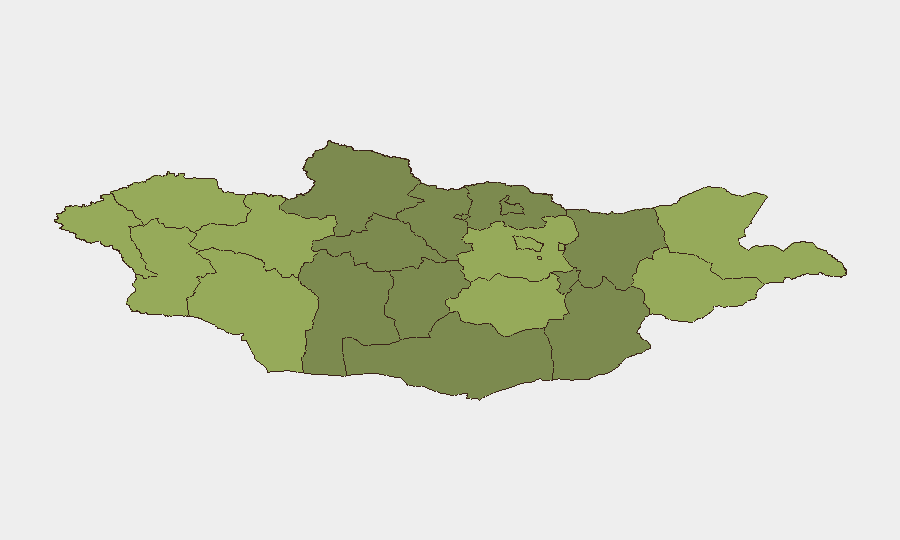
Situation Summary
Mongolia maintains a low acute-security environment with no significant incidents reported in the last 24–48 hours. Structural risks—petty street crime in urban centers and public-health outbreaks (measles, plague)—persist at baseline levels; national advisories remain at Level 1 (exercise normal precautions). The country's composite threat score of 4 reflects stable governance and minimal conflict or terrorism activity, though border regions and certain aimags (provinces) warrant elevated monitoring due to geographic isolation and limited law-enforcement capacity.
Key Developments
- No major security incidents reported July 30–31, 2026. Open-source news, government statements, and travel advisories show no corroborated reports of protests, civil unrest, crime spikes, infrastructure failures, or political crises in the last 48 hours.
- Measles cases remain elevated nationwide (as of July 24, 2026). 15,557 confirmed cases reported, with 12,416 in Ulaanbaatar and 3,136 in provincial areas; two new cases were registered in the 24-hour period ending July 24. This represents a public-health risk to personnel and warrants vaccination-status verification.
- Human plague infection confirmed in Jargalant, Khovd (July 20, 2026). Laboratory confirmation of one case; no follow-up incidents reported. Risk is localized and historically seasonal in western aimags during summer months.
- EU sanctions on Chinggis Khaan Bank (July 23, 2026). Bank added to EU's 21st Russia sanctions package; Mongolian central bank confirmed the institution represents only 0.02% of domestic banking assets with no systemic financial impact.
- Routine travel-risk environment. U.S. State Department and Australian Smartraveller both maintain Level 1 ratings; no new alerts or specific threat advisories issued for Mongolia in late July.
Highest-Risk Areas
Dornod (58), Sükhbaatar (55), and Uvs (52) rank as Mongolia's highest-risk aimags, reflecting their eastern and western border proximity, sparse population density, limited government presence, and distance from capital-based law enforcement and emergency services. Khovd and Bayan-Ölgii follow closely, with the recent plague case in Jargalant (Khovd) and regional herding-based economies creating seasonal health and isolation vulnerabilities. Ulaanbaatar (45), despite its dense population, ranks mid-table—street crime and petty theft are common but not acute; however, measles concentration there reflects urban disease-transmission risk. Organizations with personnel in border regions or rural aimags should prioritize health screening and evacuation-route planning.
How GeoBit Would Assist
Intel Sweep, OSINT fusion, and multi-language search would track government statements, health authority updates, and regional reporting to detect early signals of civil unrest, disease outbreaks, or border incidents before they escalate. AOI Monitoring & Early Warning with persistent watch over Dornod, Sükhbaatar, and Khovd would provide real-time alerts if security conditions shift or incidents emerge in high-risk border zones. Risk & Threat Assessment and Environmental & Health modules would consolidate measles prevalence, plague distribution, and crime trends to inform duty-of-care protocols and personnel deployment decisions.
7-Day Outlook
Mongolia's security environment is expected to remain stable through early August, with no indicators of imminent political crisis or large-scale unrest. Public-health risks (measles, plague) will likely persist at current levels or decline seasonally; organizations should confirm vaccination status and maintain epidemiological awareness. Border regions will continue to warrant elevated monitoring given their structural vulnerabilities and isolation from rapid-response infrastructure.
Highest-Risk Areas — Ranked
| # | State / Region | Risk |
|---|---|---|
| 1 | Dornod | 58 |
| 2 | Sükhbaatar | 55 |
| 3 | Uvs | 52 |
| 4 | Khovd | 50 |
| 5 | Bayan-Ölgii | 48 |
| 6 | Govi-Altai | 46 |
| 7 | Ulaanbaatar | 45 |
| 8 | Zavkhan | 44 |
| 9 | Töv | 42 |
| 10 | Dundgovi | 40 |
| 11 | Darkhan-Uul | 38 |
| 12 | Ömnögovi | 37 |
Sources
Previous Daily Briefs
A new Mongolia brief is written every day — each with its own risk map and downloadable CSV. Here's the last week; use the calendar to go further back.
📅 Browse every day by calendar →
Highlighted days have a brief. Tap a day for that day's map & analysis, or “csv” for that day's dataset ($5).
Atlas — our AI intelligence desk — emails them this snapshot personally. Nothing else, no list.