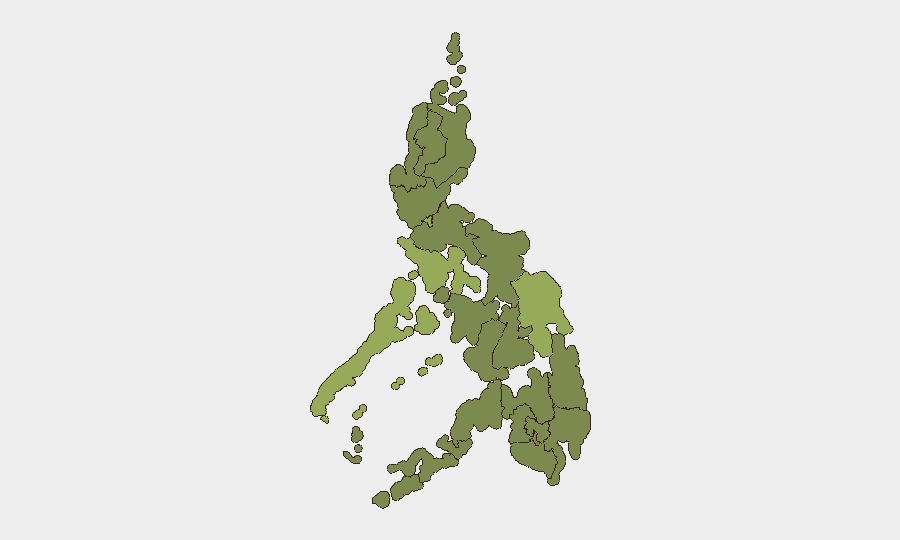
Situation Summary
The Philippines faces a composite threat ranking of #54 globally, with 140 tracked events indicating moderate but persistent security challenges. A mass shooting at San Jose National High School in Tacloban City (Eastern Visayas) on June 22 has catalyzed a national security response and policy review cycle, exposing vulnerabilities in school safety protocols and triggering legislative debate over youth violence prevention. Metro Manila remains the highest-risk sub-national zone (risk 53), while Eastern Visayas has risen sharply in threat prominence following the Tacloban incident. The security environment is likely to tighten over the coming week as government agencies implement interim protective measures.
Key Developments
- Tacloban City, Leyte – June 22: Two students opened fire inside San Jose National High School using a Glock 9mm and .22-caliber revolver, killing at least three students and injuring more than a dozen. Both suspects were apprehended and transferred to social welfare officials.
- Tacloban City, Leyte – June 23: Police investigators confirmed the shooting appeared pre-planned and identified alleged long-standing bullying of the suspects as a potential motive. Authorities began a national review of campus security protocols in coordination with the Department of Education (DepEd).
- National (Philippines-wide) – June 23: The Department of Civil Defense announced plans to expand school-safety drills nationwide to include active-shooter scenarios, backpack inspections, and enhanced teacher and student emergency training, superseding previous disaster-only protocols.
- National – June 23: Health Secretary Teodoro Herbosa and senior education officials signaled revision of emergency medical and operational protocols to address active-shooter incidents, indicating systemic gaps in preparedness.
- Senate – June 23: Senator Risa Hontiveros and Education Secretary Sonny Angara announced plans to revive legislative investigations into the role of social media, online platforms, and gaming in radicalizing youth, framing the Tacloban attack as a policy trigger.
- Metro Manila & National – June 22–23: Political debate intensified over criminal liability reform, with Senator Robin Padilla proposing the age of criminal responsibility be lowered to 10, while rights advocates and other lawmakers raised juvenile justice concerns amid heightened public anxiety.
Highest-Risk Areas
Metro Manila (risk 53) and Eastern Visayas (risk 45.9) represent the two highest-risk zones. Metro Manila's chronic risk reflects urban crime, civil unrest, and critical infrastructure density; Eastern Visayas has now surged into the top tier following the Tacloban school shooting and the underlying security weaknesses it exposed. Mimaropa (risk 46.7) rounds out the critical tier, driven by maritime crime and insurgent activity. The Davao Region and Cordillera Administrative Region (both 32.2) remain secondary hotspots, linked to mining-area instability and armed-group presence respectively. The incident's aftermath is likely to elevate visibility of youth violence and school security across all urban centers.
How GeoBit Would Assist
Intel Sweep and multi-language OSINT (X/Twitter, Telegram, YouTube) would track sentiment shifts, policy announcements, and emerging youth-violence narratives in real time. AOI Monitoring & Early Warning focused on Metro Manila, Eastern Visayas, and Mimaropa would detect clustering of youth-violence signals, protest organizing, or copycat threats before escalation. Network & Actor Analysis combined with social-media intelligence would map online radicalization vectors and peer networks related to school violence, informing protective posture adjustments for schools and corporate campuses.
7-Day Outlook
Short-term security posture is likely to tighten: police presence at schools will increase, DepEd will issue interim circulars, and public anxiety will sustain media focus. Legislative momentum on youth violence and social-media regulation is expected to accelerate, though policy implementation will lag. No immediate secondary incidents are predicted, but risk of copycat incidents or protest-related disruption in Metro Manila remains elevated through end of June.
Highest-Risk Areas — Ranked
| # | State / Region | Risk |
|---|---|---|
| 1 | Metro Manila | 53 |
| 2 | Mimaropa | 46.7 |
| 3 | Eastern Visayas | 45.9 |
| 4 | Davao Region | 32.2 |
| 5 | Cordillera Administrative Region | 32.2 |
| 6 | Central Luzon | 26.2 |
| 7 | Negros Island Region | 24.3 |
| 8 | Calabarzon | 23.8 |
| 9 | Bangsamoro | 23 |
| 10 | Caraga | 23 |
| 11 | Northern Mindanao | 23 |
| 12 | Soccsksargen | 23 |
Sources
Previous Daily Briefs
A new Philippines brief is written every day — each with its own risk map and downloadable CSV. Here's the last week; use the calendar to go further back.
📅 Browse every day by calendar →
Highlighted days have a brief. Tap a day for that day's map & analysis, or “csv” for that day's dataset ($5).