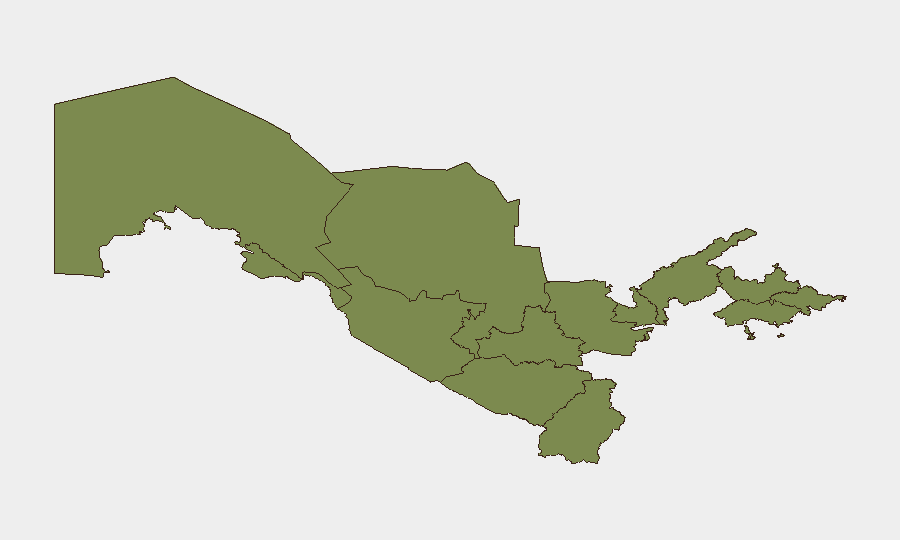
Situation Summary
Uzbekistan remains a low-threat environment globally (rank #185, composite score 3), but faces a sharp concentration of risk in Tashkent, which carries a risk score more than 20 times higher than any other region. Recent enforcement actions against transnational cybercrime networks, coupled with official concern over financial-system vulnerabilities and cross-border narcotics trafficking, signal escalating state awareness of organized crime and cyber threats. Energy-market volatility stemming from regional conflict is now affecting aviation fuel supply and logistics reliability. The overall security trajectory is stable but trending toward closer official scrutiny of financial transactions and cyber activity.
Key Developments
- Tashkent (Yashnabad & Yakkasaray districts), 10–11 July 2026: Interior Ministry and State Security Service dismantled two illegal call-center operations running a large transnational phishing and fraud scheme targeting Europe and North America. Over 130 staff detained, including foreign nationals; hundreds of computers and phones seized.
- Tashkent (Central Bank), 10–11 July 2026: Central Bank of Uzbekistan publicly identified cyberattacks and cyber fraud as a systemic financial-stability risk and announced rollout of an AI-based transaction-monitoring system across the banking sector.
- Uzbekistan–Afghanistan border, 10–11 July 2026: Border authorities intercepted a drone allegedly smuggling narcotics from Afghanistan, signaling continued use of unmanned aerial vehicles for cross-border drug trafficking.
- Nationwide financial sector, 10–11 July 2026: Draft government resolution to expand information-sharing between banks and tax authorities sparked public criticism regarding banking privacy and constitutional protections; civil-society debate ongoing within the last 48 hours.
- National civil aviation and fuel supply, 10–11 July 2026: Ukrainian drone strikes on Russian oil infrastructure have driven higher fuel prices and aviation-fuel shortages in Uzbekistan, creating near-term uncertainty for air travel and logistics operations.
- Tashkent (Mirabad district), 10–11 July 2026: National CERT (UZCERT) intensified promotion of Cyber Security Summit Central Eurasia 2026 and renewed calls for cyber-incident reporting, reflecting heightened institutional focus on threat monitoring.
Highest-Risk Areas
Tashkent dominates the risk landscape with a composite score of 31.5, driven by cybercrime operations, financial-sector vulnerabilities, and the concentration of national critical infrastructure. All other tracked regions score 1.5, indicating that security risk in Uzbekistan is almost entirely urban-centered and concentrated in the capital. The recent call-center busts and Central Bank's cyber-fraud alert underscore why Tashkent carries disproportionate weight; financial and technology-sector workers, expatriates, and companies with banking dependencies face the highest exposure to both cybercrime and regulatory tightening.
How GeoBit Would Assist
Security teams should deploy Intel Sweep and real-time event feeds to monitor emerging cyber-fraud and financial-crime incidents in Tashkent, with Telegram and social-media OSINT to track official statements and civil-society reaction to banking-privacy measures. AOI Monitoring with alerting on Tashkent's financial district and border regions would provide early warning of enforcement actions or trafficking incidents. Network & Actor Analysis would support identification of organized-crime cells and transnational fraud networks operating within or targeting staff in Uzbekistan.
7-Day Outlook
Cybercrime enforcement is likely to continue, with further agency announcements on fraud prosecutions and financial-system hardening. Energy shortages driven by regional conflict will persist, creating intermittent disruptions to aviation fuel supply and increasing logistics costs. No significant escalation in political violence or instability is anticipated, but private-sector financial regulation will tighten; companies should review compliance with emerging banking-information-sharing requirements.
Highest-Risk Areas — Ranked
| # | State / Region | Risk |
|---|---|---|
| 1 | Tashkent | 31.5 |
| 2 | Qashqadaryo Region | 1.5 |
| 3 | Surxondaryo Region | 1.5 |
| 4 | Fergana Region | 1.5 |
| 5 | Republic of Karakalpakstan | 1.5 |
| 6 | Xorazm Region | 1.5 |
| 7 | Navoiy Region | 1.5 |
| 8 | Bukhara Region | 1.5 |
| 9 | Jizzakh Region | 1.5 |
| 10 | Tashkent Region | 1.5 |
| 11 | Namangan Region | 1.5 |
| 12 | Sirdaryo Region | 1.5 |
Sources
Previous Daily Briefs
A new Uzbekistan brief is written every day — each with its own risk map and downloadable CSV. Here's the last week; use the calendar to go further back.
📅 Browse every day by calendar →
Highlighted days have a brief. Tap a day for that day's map & analysis, or “csv” for that day's dataset ($5).
Atlas — our AI intelligence desk — emails them this snapshot personally. Nothing else, no list.