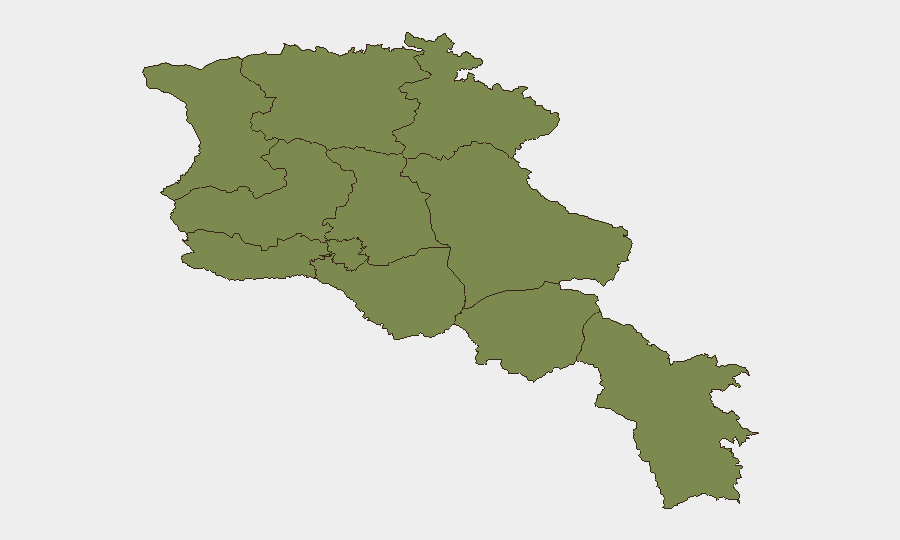
Situation Summary
Armenia faces escalating political instability and heightened geopolitical tension following the July 6 detention of opposition leader Gagik Tsarukyan on fraud and money-laundering charges. The arrest has triggered sustained opposition mobilization in Yerevan and explicit warnings from Russian officials linking Armenia's foreign-policy realignment to security consequences. Regional military activity, combined with domestic rule-of-law concerns and external pressure, creates a compounding risk environment, particularly in Ararat Province and the capital, where security incidents and political volatility are concentrated.
Key Developments
- Yerevan – July 8–9, 2026: Opposition supporters and political analysts mobilized publicly to contest Tsarukyan's detention, accusing authorities of converting a commercial dispute into a criminal case and triggering widespread concerns about selective law enforcement and opposition repression.
- Moscow / Yerevan – July 8–9, 2026: Russian Security Council Deputy Chair Dmitry Medvedev issued public warnings that Armenia's "severing long-established ties with Russia" will produce "severe consequences for ordinary Armenian citizens," explicitly referencing moves against figures like Tsarukyan and underscoring Russian leverage over Armenia's security posture.
- Yerevan – July 6, 2026 (ongoing impact): Law enforcement conducted a 12-hour search of Tsarukyan's mansion and dozens of connected business properties, detaining him and triggering characterization of the operation as the broadest action against a political figure since June parliamentary elections, raising rule-of-law and opposition-repression concerns.
- Ararat Province / Tavush Province – July 9, 2026: Conventional military-force activity and military mobilization signals were recorded in Yerevan and villages, consistent with heightened regional military posture and potential border-security operations.
- Yerevan – July 8, 2026: Threats issued by Yerevan officials against a deputy and broader authorities, alongside demands involving firefighters, indicate internal security and governance friction beyond the Tsarukyan case.
- National level – early July 2026: Regional analysts flagged that Armenia faces intensified external security risks as NATO and Russian-Western confrontation over Ukraine consume geopolitical bandwidth, leaving Armenia more vulnerable amid its shifting foreign alignment.
Highest-Risk Areas
Ararat Province (composite risk 31.5) dominates the sub-national threat landscape, driven by military activity, cross-border dynamics, and economic/political instability. Yerevan (risk 9.8) ranks second, concentrated around the Tsarukyan detention, opposition mobilization, military mobilization signals, and intra-governmental tensions. The remaining nine provinces carry uniformly low composite scores (1.5 each), indicating that acute security risk is geographically concentrated in the southwest border region and the capital, where political volatility, law-enforcement action, and military posture create compounding hazard for corporate and personnel safety.
How GeoBit Would Assist
Security teams should deploy AOI (area-of-interest) monitoring and early warning on Yerevan and Ararat Province to track opposition gatherings, law-enforcement operations, and military movements in real time. Intel Sweep, OSINT fusion, and network-actor analysis capabilities enable tracking of opposition figures, government officials, and Russian statements to forecast next escalation points (immunity stripping, further arrests, or external pressure). Conflict mapping and border-security monitoring provide situational awareness of regional military activity and cross-border risk that could disrupt travel, supply chains, or facility operations.
7-Day Outlook
The Tsarukyan case and Russian warnings are likely to sustain opposition activity and political tension in Yerevan through the coming week. Military posturing in border regions and external pressure from Moscow will remain elevated, increasing the risk of secondary incidents (protests, clashes, or border activity) that could affect business continuity and personnel movement. Close monitoring of immunity-stripping proceedings and any further law-enforcement actions is critical to anticipate second- and third-order escalation.
Highest-Risk Areas — Ranked
| # | State / Region | Risk |
|---|---|---|
| 1 | Ararat Province | 31.5 |
| 2 | Yerevan | 9.8 |
| 3 | Lori Province | 1.5 |
| 4 | Tavush Province | 1.5 |
| 5 | Kotayk Province | 1.5 |
| 6 | Gegharkunik Province | 1.5 |
| 7 | Vayots Dzor Province | 1.5 |
| 8 | Syunik Province | 1.5 |
| 9 | Shirak Province | 1.5 |
| 10 | Aragatsotn Province | 1.5 |
| 11 | Armavir Province | 1.5 |
Sources
Previous Daily Briefs
A new Armenia brief is written every day — each with its own risk map and downloadable CSV. Here's the last week; use the calendar to go further back.
📅 Browse every day by calendar →
Highlighted days have a brief. Tap a day for that day's map & analysis, or “csv” for that day's dataset ($5).
Atlas — our AI intelligence desk — emails them this snapshot personally. Nothing else, no list.