Situation Summary
Guinea-Bissau remains in a steady-state, low-incident security environment with no confirmed violent incidents, armed clashes, or major crime events reported in the last 24–48 hours. Political risk is elevated ahead of the 30 August constitutional referendum, which is expected to pass and consolidate military influence over civilian institutions and the planned December elections. No acute street-level unrest or infrastructure failures have been documented in the current reporting window, though structural polarization and diaspora activism abroad signal sustained tension over the legitimacy of the political process.
Key Developments
- Nationwide, Guinea-Bissau – 27–28 August 2026: No discrete security, violent crime, or civil-unrest incidents confirmed across the country in the latest 24–48 hour period. Reporting emphasizes a stable operational environment with risk driven by political developments rather than active armed or criminal activity on the ground.
- Nationwide, Guinea-Bissau – 27 August 2026: Intelligence assessments dated 27 August project that the 30 August constitutional referendum is highly likely to pass and will substantially entrench military control ahead of December elections. This political development elevates polarization risk and heightens the potential for unrest around the vote itself, though no specific violent incident is currently reported.
- Lisbon, Portugal – 27 August 2026: Dozens of Bissau-Guinean diaspora members protested in central Lisbon against the 30 August referendum, characterizing it as a military-backed "sham." While this event occurred outside Guinea-Bissau territory, it reflects sustained international criticism of the political process and signals potential for external pressure and reputational risk around the vote.
- Nationwide, Guinea-Bissau – Ongoing through 28 August: Opposition parties continue calls for referendum boycotts, and civil-society voices remain divided on the legitimacy of the constitutional process. No large-scale street protests or organized unrest have been reported in the last 48 hours, but tension remains elevated ahead of the vote.
Highest-Risk Areas
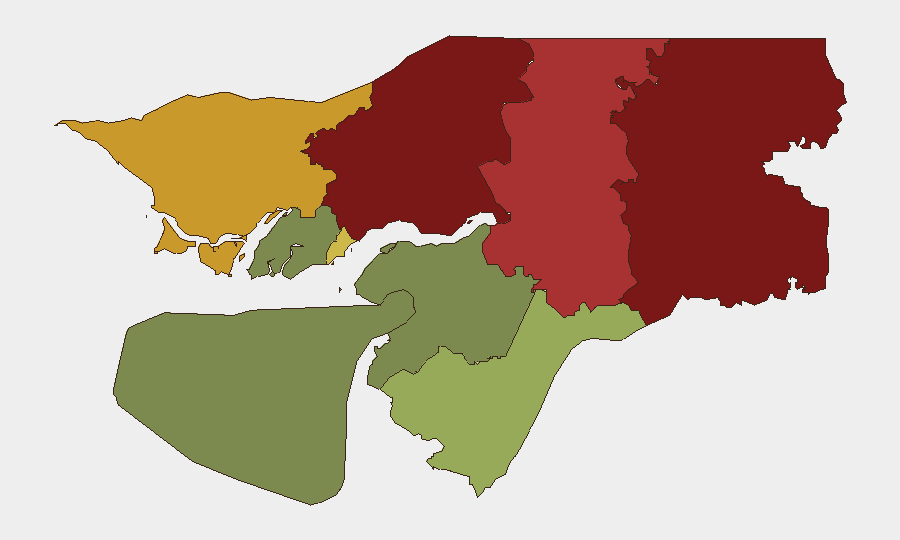
Gabu, Oio, and Bafatá regions in the northeast account for the three highest composite risk scores (92, 85, and 78 respectively), driven primarily by historical armed-group presence, limited state authority, and cross-border trafficking networks rather than active armed conflict. Cacheu Region (72) and Bissau Autonomous Sector (68) also present elevated risk linked to drug-trafficking routes and urban crime, with Bissau itself experiencing persistent criminal networks and gang activity despite low recent incident reporting. The remaining regions—Tombali, Quinara, Biombo, and Bolama—present substantially lower risk profiles below 50.
How GeoBit Would Assist
Security teams should deploy AOI Monitoring & Early Warning on Gabu, Oio, and Bafatá regions to detect any uptick in cross-border activity or armed-group movement before escalation. Intel Sweep and multi-language OSINT fusion across X/Twitter, Telegram, and local media would provide real-time visibility on opposition sentiment, diaspora activism, and pre-referendum polarization signals, enabling early warning of potential unrest tied to 30 August polling. Election monitoring capabilities and sentiment & temporal analysis would track political messaging and crowd mood in high-risk urban and border zones, informing duty-of-care decisions for personnel in or near Bissau and the northeastern regions.
7-Day Outlook
The 30 August constitutional referendum is the dominant near-term risk driver; passage is highly probable and will likely trigger localized opposition protests and potential civil unrest in Bissau and regional centers. Security posture should remain elevated through early September, with particular attention to post-referendum polarization and any escalation in opposition activity. No large-scale armed conflict or nationwide instability is currently assessed, but the political outcome will shape the security trajectory through the December elections.
Highest-Risk Areas — Ranked
| # | State / Region | Risk |
|---|---|---|
| 1 | Gabu Region | 92 |
| 2 | Oio Region | 85 |
| 3 | Bafatá Region | 78 |
| 4 | Cacheu Region | 72 |
| 5 | Bissau Autonomous Sector | 68 |
| 6 | Tombali Region | 45 |
| 7 | Quinara Region | 38 |
| 8 | Biombo Region | 32 |
| 9 | Bolama Region | 15 |
Sources
Previous Daily Briefs
A new Guinea-Bissau brief is written every day — each with its own risk map and downloadable CSV. Here's the last week; use the calendar to go further back.
- August 26, 2026
- August 24, 2026
- August 22, 2026
- August 20, 2026
- August 17, 2026
- August 15, 2026
- August 13, 2026
📅 Browse every day by calendar →
Highlighted days have a brief. Tap a day for that day's map & analysis, or “csv” for that day's dataset ($5).
Atlas — our AI intelligence desk — emails them this snapshot personally. Nothing else, no list.