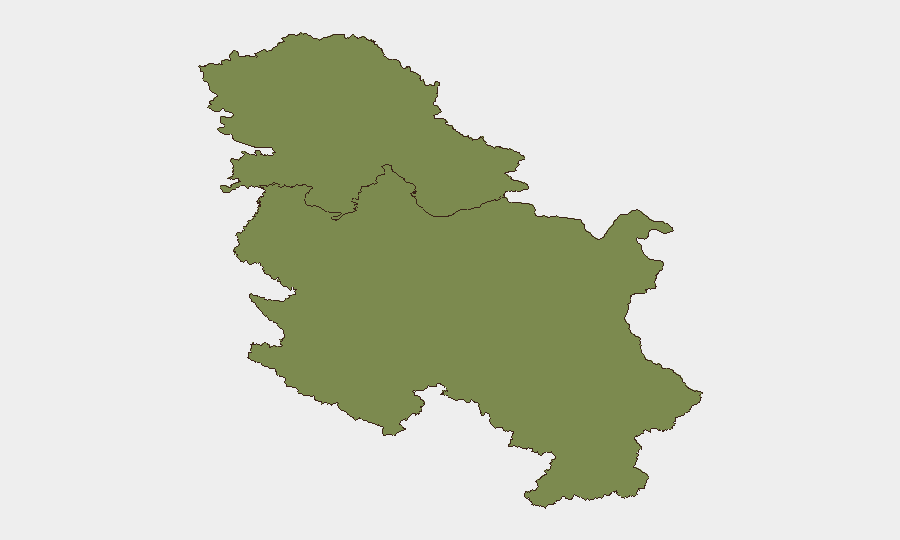
Situation Summary
Serbia remains a low-to-moderate composite threat environment (rank #74 globally, score 14) with heightened diplomatic tension visible in recent event signals rather than active security incidents. The last 24–48 hours show no widely corroborated major security, civil unrest, crime, or infrastructure events in internationally indexed sources; however, elevated disapproval signals between Serbia–Croatia and between Serbian ministries and European bodies suggest ongoing political friction. Central Serbia accounts for the majority of tracked risk (31.5), though no acute incidents have been reported in that region in the immediate reporting window.
Key Developments
- Diplomatic friction (multiple actors, 2026-07-10 to 11). Multiple "disapprove" signals logged between Serbian and Croatian officials, between Serbian ministries and European Parliament, and between European bodies and Serbian government. No specific incidents or violence reported; signals reflect policy or rhetorical disagreement.
- Media and public statements (2026-07-10 to 11). Serbian media and government issued public statements on unspecified topics; tone and subject matter not detailed in event signals. Routine political or policy communication indicated, without reported crisis.
- Unconfirmed military-related event signal (2026-07-11). A "conventional military force" event was flagged in Serbia and separately attributed to Copenhagen–Judiciary interaction. Source, scale, location, and confirmation status unclear from open sources; requires clarification through primary intelligence channels.
- Tourist disapproval signal (2026-07-11). A single "disapprove" event logged from tourists toward Serbia. Scale and specific location unknown; may reflect isolated complaint or minor service issue rather than systemic travel risk.
- No major incidents in open reporting. No terrorist attacks, large-scale protests, infrastructure failures, or serious crime spikes are visible in mainstream English-language or widely indexed social-media sources for July 10–11, 2026.
Highest-Risk Areas
Central Serbia (composite risk 31.5) dominates the sub-national threat picture—a six-fold elevation over Vojvodina (5.2)—but current event signals do not pinpoint a specific trigger within that region. The risk gap suggests persistent structural vulnerabilities (political fragility, economic or social tensions, or ongoing low-level civil–government friction) rather than acute incident concentration. Vojvodina remains significantly lower-risk, indicating North Serbia's relative stability compared to the central belt where Belgrade and major government institutions are located.
How GeoBit Would Assist
Intel Sweep & OSINT Fusion would clarify the military event signal (source, scale, location) and corroborate or reject the diplomatic tension signals across Serbian, Croatian, and EU official channels. Multi-language search and entity extraction (targeting Serbian media, local government bulletins, and regional X/Telegram feeds) would surface localized incidents not yet visible in English-language global indexes. AOI Monitoring & Early Warning deployed on Central Serbia would provide persistent watch for escalation in disapproval signals or subsequent incident activity, triggering alerts if rhetoric or unconfirmed event counts exceed baseline thresholds.
7-Day Outlook
Diplomatic friction between Serbia and Croatia, and between Serbian institutions and European bodies, is likely to persist but remains rhetorical rather than kinetic. Unless localized unrest or infrastructure disruption emerges in Central Serbia—currently unconfirmed—overall threat trajectory is expected to remain stable. Corporate teams should continue routine duty-of-care monitoring; escalation to elevated alert status is not warranted on current evidence.
Highest-Risk Areas — Ranked
| # | State / Region | Risk |
|---|---|---|
| 1 | Central Serbia | 31.5 |
| 2 | Vojvodina | 5.2 |
Sources
Previous Daily Briefs
A new Serbia brief is written every day — each with its own risk map and downloadable CSV. Here's the last week; use the calendar to go further back.
📅 Browse every day by calendar →
Highlighted days have a brief. Tap a day for that day's map & analysis, or “csv” for that day's dataset ($5).
Atlas — our AI intelligence desk — emails them this snapshot personally. Nothing else, no list.