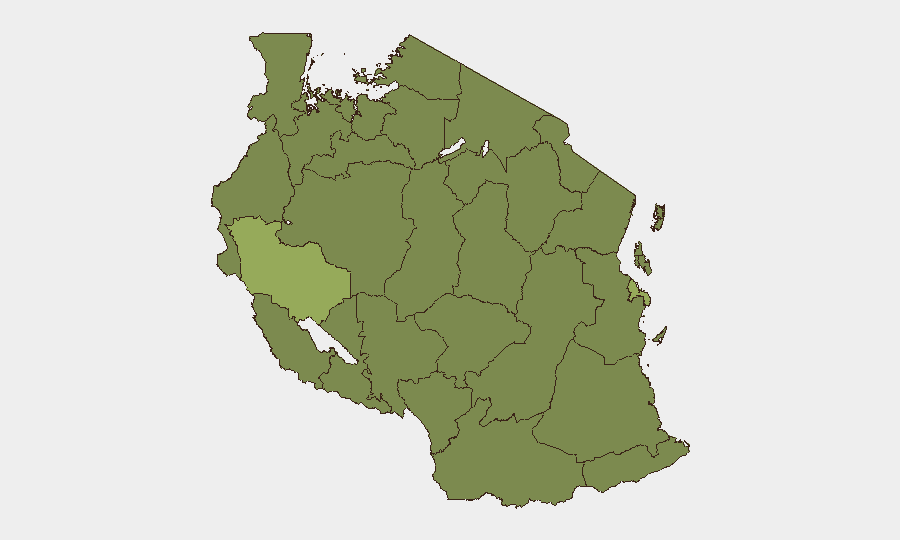
Situation Summary
Tanzania remains at composite threat rank #46 globally with a moderately elevated security posture following a government crackdown on opposition-led protests earlier this week. Police and military deployments in Dar es-Salaam have created a restrictive environment around political assembly, though no mass violence has been reported in the 24–48 hours ending July 11. The national security apparatus emphasizes stability while rights monitors flag sustained restrictions on freedom of assembly that are likely to persist through mid-July. Corporate personnel and assets in major urban centres should anticipate elevated police presence and restricted movement around political gatherings.
Key Developments
No clearly verifiable new security incidents in Tanzania have been confirmed within the last 24–48 hours (July 9–11) via open-web and social sources with cross-confirmation. The most recent substantiated activity cluster dates to July 7–8, which falls outside the strict recency window but defines the current risk environment:
- Dar es-Salaam (citywide), July 7: Police and military conducted heavy deployments to block opposition-organized pro-democracy marches demanding constitutional reform and the release of opposition leader Tundu Lissu. No mass demonstrations materialized; security posture remained highly restrictive.
- Dar es-Salaam (central districts), July 7: Security forces maintained visible "zero-tolerance" deployments as a deterrent, creating a securitized urban environment expected to persist through the week.
- Tanzania (unspecified locations), early July: Police reported arresting dozens to 130 individuals on allegations of inciting unlawful demonstrations, attacks on government leaders, and arson targeting schools, with activity reportedly organized via social media.
- Dar es-Salaam and countrywide, July 7–8: Rights organizations and regional monitors warned that renewed protest attempts would face rapid police intervention, elevating travel risk around political gatherings in major urban centres.
Note: The absence of new incidents in the 24–48-hour window reflects both the recency requirement and the fact that the security environment remains defined by the July 7–8 posture rather than active escalation.
Highest-Risk Areas
Katavi Region and Dar es-Salaam are jointly ranked as Tanzania's highest-risk sub-national areas (composite risk 57.8 each), with Dar es-Salaam's elevation driven by political tension, police deployments, and restricted assembly rights. The second tier—Kigoma, Kagera, Mwanza, Geita, Shinyanga, Tabora, Rukwa, Songwe, Mara, and Simiyu regions (all risk 27.8)—shows more uniform risk; these areas are distributed across the country's west, north, and border zones, suggesting dispersed vulnerability to organized crime, transnational trafficking, and inter-communal tension rather than concentrated urban political risk. Dar es-Salaam's volatility reflects near-term political friction, while the western and border regions require sustained monitoring for criminal and cross-border activity.
How GeoBit Would Assist
Security teams should deploy AOI Monitoring & Early Warning to track police deployments and political activity in Dar es-Salaam and secondary urban centers; OSINT Fusion (X/Twitter, Telegram, YouTube, multi-language search) to detect emerging protest calls or security force posturing; and Routing & Network Analysis to plan alternative routes for personnel during periods of heightened police activity. Subscription to Event Feeds & Intel Sweep ensures real-time notification of arrests, clashes, and travel advisories.
7-Day Outlook
Police restrictions on assembly are likely to remain in effect through mid-July absent a political breakthrough. Corporate movement in Dar es-Salaam should anticipate road checkpoints and delayed transit around central districts. No mass escalation is currently forecast, but renewed opposition organizing via social media could trigger secondary police responses.
Highest-Risk Areas — Ranked
| # | State / Region | Risk |
|---|---|---|
| 1 | Katavi Region | 57.8 |
| 2 | Dar es-Salaam | 57.8 |
| 3 | Kigoma Region | 27.8 |
| 4 | Kagera | 27.8 |
| 5 | Mwanza Region | 27.8 |
| 6 | Geita | 27.8 |
| 7 | Shinyanga Region | 27.8 |
| 8 | Tabora Region | 27.8 |
| 9 | Rukwa Region | 27.8 |
| 10 | Songwe Region | 27.8 |
| 11 | Mara Region | 27.8 |
| 12 | Simiyu | 27.8 |
Sources
Previous Daily Briefs
A new Tanzania brief is written every day — each with its own risk map and downloadable CSV. Here's the last week; use the calendar to go further back.
📅 Browse every day by calendar →
Highlighted days have a brief. Tap a day for that day's map & analysis, or “csv” for that day's dataset ($5).
Atlas — our AI intelligence desk — emails them this snapshot personally. Nothing else, no list.