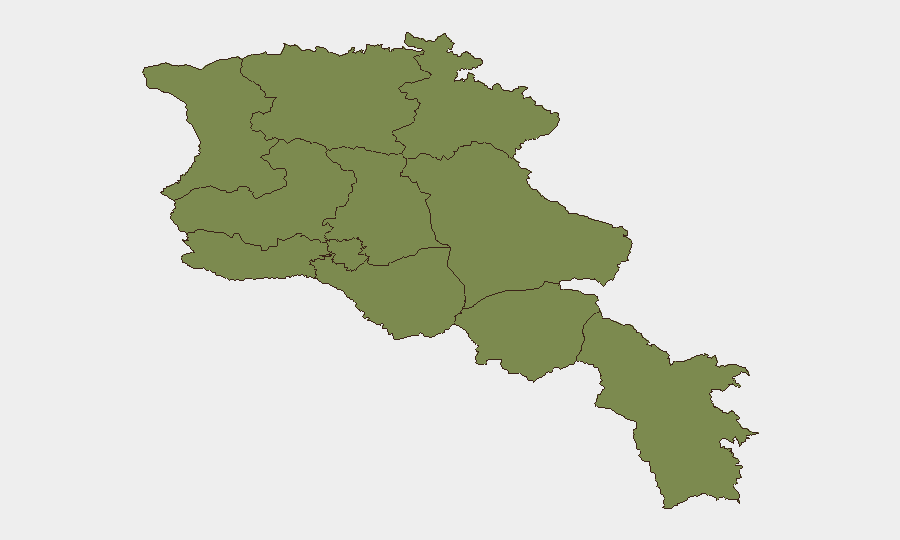
Situation Summary
Armenia faces acute political instability following a major law-enforcement operation against opposition businessman Gagik Tsarukyan on July 11, triggering arrest warrants, asset seizures affecting 10,000+ employees, and emerging protest activity in Yerevan. Military and border tensions persist, with recent small-arms incidents and conventional military force signals concentrated in Ararat Province (risk score 31.5, more than 4× higher than Yerevan). Overall threat trajectory remains elevated but contained to specific geographic and political flashpoints; however, the confluence of internal political crisis and unresolved border security creates compounding risk for businesses and foreign personnel.
Key Developments
- Yerevan, July 11: Yerevan Court of General Jurisdiction ordered arrest of Prosperous Armenia Party leader Gagik Tsarukyan as a pre-trial measure in a National Security Service criminal case, signaling high-level political prosecutions.
- Multiple Tsarukyan business sites, July 11: National Security Service conducted coordinated raids and asset seizures across Tsarukyan-owned enterprises, leaving approximately 10,000 employees temporarily out of work—described as one of the largest operations against an opposition-linked business network.
- Yerevan (government/judicial buildings vicinity), July 11: Small protest gatherings emerged near government and judicial facilities in response to Tsarukyan's detention; social-media reporting alleges politically motivated prosecution and calls for further demonstrations.
- Ararat Province, July 9–11: Conventional military force activity and small-arms combat incidents reported, consistent with ongoing border-area volatility; events signal localized military pressure rather than large-scale escalation.
- Yerevan, July 11: US Chargé d'Affaires David Allen met participants of the Armenian Assembly of America's summer internship program, reflecting continued US diplomatic presence and monitoring amid domestic political tensions.
- Armenia (humanitarian demining sites), July 11: EU-provided 20-ton remote-controlled demining machine arrived for humanitarian mine clearance in contaminated border and war-affected zones, improving safety for communities and future mobility.
- Armenia (national), July 11: Information-environment tensions: disputed claims of mass voter transfers from Russia; National Security Service border data cited by some sources, but independent verification limited; reflects broader election-period information operations.
Highest-Risk Areas
Ararat Province dominates Armenia's risk profile with a composite score of 31.5—more than five times that of Yerevan (6.3) and all other provinces combined. Military force, territorial occupation signals, and small-arms activity cluster in Ararat's villages and border zones, reflecting unresolved Armenian–Azerbaijani tensions and ongoing volatility along the Armenia–Azerbaijan line of contact. Yerevan, while lower-scored, now faces secondary political risk from the Tsarukyan arrest and incipient protest activity; however, no violence has been reported. Remaining provinces (Lori, Tavush, Kotayk, Gegharkunik, Vayots Dzor, Syunik, Shirak, Aragatsotn, Armavir) remain at baseline risk (1.5 each), though Tavush and Gegharkunik maintain dormant border exposure.
How GeoBit Would Assist
Security teams would deploy AOI Monitoring & Early Warning on Ararat Province's border villages and Yerevan's judicial/government district to track emerging military activity and protest escalation in real time. Network & Actor Analysis and OSINT fusion (X/Telegram, local news feeds, multi-language processing) would isolate politically-linked business risk—tracking Tsarukyan-network entities, asset exposure, and employee-safety implications. Election monitoring and sentiment analysis of Armenian media and diaspora sources would flag information operations and polarization trends ahead of anticipated electoral cycles.
7-Day Outlook
Political detention and business-asset seizures are likely to sustain low-level protest activity and information-space tension in Yerevan through mid-July, though no organized large-scale demonstrations have materialized. Ararat Province military incidents will persist at current frequency absent diplomatic intervention; any escalation there carries secondary risk to border-adjacent supply chains and personnel. Overall stability remains fragile; watch for opposition-party responses and any broadening of NSS enforcement actions.
Highest-Risk Areas — Ranked
| # | State / Region | Risk |
|---|---|---|
| 1 | Ararat Province | 31.5 |
| 2 | Yerevan | 6.3 |
| 3 | Lori Province | 1.5 |
| 4 | Tavush Province | 1.5 |
| 5 | Kotayk Province | 1.5 |
| 6 | Gegharkunik Province | 1.5 |
| 7 | Vayots Dzor Province | 1.5 |
| 8 | Syunik Province | 1.5 |
| 9 | Shirak Province | 1.5 |
| 10 | Aragatsotn Province | 1.5 |
| 11 | Armavir Province | 1.5 |
Sources
Previous Daily Briefs
A new Armenia brief is written every day — each with its own risk map and downloadable CSV. Here's the last week; use the calendar to go further back.
📅 Browse every day by calendar →
Highlighted days have a brief. Tap a day for that day's map & analysis, or “csv” for that day's dataset ($5).
Atlas — our AI intelligence desk — emails them this snapshot personally. Nothing else, no list.