Situation Summary
Australia's composite threat score (3/10) places it at #169 globally, indicating a managed security environment with localized volatility. However, New South Wales (risk 31.8) significantly exceeds national average risk, driven by organised crime, cyber incidents, and maritime/coastal incidents. The past 48 hours have surfaced major organised crime, biosecurity, and cyber-infrastructure concerns that warrant elevated monitoring in key states, particularly NSW and Queensland.
Key Developments
- Londonderry, north-west Sydney, NSW – 22 June 2026: NSW Police uncovered approximately A$1 billion in cocaine buried in bunkers on a semi-rural property following a truck fire response, described as Australia's largest-ever cocaine seizure. This indicates significant drug-trafficking network activity and supply-chain vulnerability in the Sydney metropolitan area.
- Western Australia (unspecified) – 22 June 2026: A second bird tested positive for H5N1 avian influenza, prompting intensified biosecurity and agricultural-containment operations. Spread trajectory and wildlife-exposure risk remain under investigation.
- Mackay, Queensland – 22 June 2026: International cybercrime group "The Gentlemen" claimed responsibility for attacking Mackay Sugar, a critical regional infrastructure asset. Australian authorities are investigating the breach as a significant cyber and supply-chain threat.
- NSW coast (Sydney and multiple beaches) – within 48 hours prior to 22 June 2026: Four shark attacks occurred along the New South Wales coast within a 48-hour window, including incidents affecting Sydney-area swimmers. This elevated coastal safety risk and public-safety discourse.
- National – 22 June 2026: Australian government announced establishment of a Cyber Incident Review Board (CIRB) to conduct post-incident reviews of significant cyber attacks on public and private infrastructure, signalling recognition of heightened cyber-threat landscape.
- Tokyo, Japan – 22 June 2026: Australia participated in the 7th Japan–Australia Cyber Policy Dialogue, exchanging views on cyber defence, critical technology security, and AI governance with implications for regional cyber-security posture and intelligence alignment.
Highest-Risk Areas
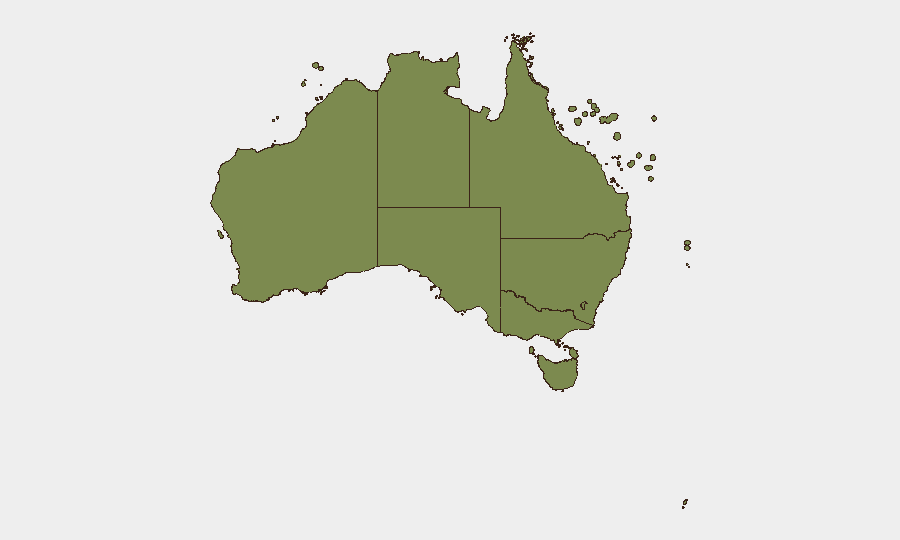
New South Wales (31.8) dominates risk due to organised-crime networks (evidenced by the largest-ever drug seizure), cyber-infrastructure vulnerability (Mackay Sugar breach affecting neighbouring Queensland), and coastal safety incidents. Victoria (18.2) and Western Australia (17.1) maintain elevated risk profiles; WA is currently managing active biosecurity concerns (H5N1), while both states warrant continuous monitoring for organised-crime, cyber, and supply-chain incidents. Northern Territory (13.2) remains above national average, though specific drivers require ongoing intelligence collection.
How GeoBit Would Assist
Intel Sweep and OSINT fusion would corroborate incident timelines, actor identification, and organised-crime network relationships underpinning the cocaine seizure and cyber breach. AOI Monitoring & Early Warning on NSW and Queensland high-risk postcodes (Londonderry, Mackay) would provide persistent alerting on organised crime, cyber-infrastructure activity, and supply-chain disruption. Network & Actor Analysis and multi-language OSINT (Telegram, dark web) would track "The Gentlemen" and allied threat actors, enabling predictive intelligence on future targeting and vulnerability exploitation.
7-Day Outlook
Organised crime networks will likely redistribute supply-chain operations following the NSW cocaine seizure, potentially increasing activity in less-monitored regional areas or maritime entry points. Cyber-threat actors may increase targeting of regional critical infrastructure (agriculture, sugar processing, utilities) in Queensland and WA. H5N1 containment and biosecurity response in WA will remain a priority, with potential economic and agricultural-sector implications if spread accelerates.
Highest-Risk Areas — Ranked
| # | State / Region | Risk |
|---|---|---|
| 1 | New South Wales | 31.8 |
| 2 | Victoria | 18.2 |
| 3 | Western Australia | 17.1 |
| 4 | Northern Territory | 13.2 |
| 5 | South Australia | 4.6 |
| 6 | Queensland | 4.6 |
| 7 | Australian Capital Territory | 3.3 |
| 8 | Tasmania | 2.9 |
| 9 | Ashmore and Cartier Islands | 1.8 |
| 10 | Jervis Bay Territory | 1.8 |
| 11 | Coral Sea Islands | 1.8 |
Sources
Previous Daily Briefs
A new Australia brief is written every day — each with its own risk map and downloadable CSV. Here's the last week; use the calendar to go further back.
📅 Browse every day by calendar →
Highlighted days have a brief. Tap a day for that day's map & analysis, or “csv” for that day's dataset ($5).