Situation Summary
Maldives remains a low-threat environment globally (composite score 4; no tracked discrete security events), but faces emerging maritime safety vulnerabilities and localized urban crime pressures in the Greater Malé area. Two significant marine incidents on 1 August—a landing craft capsize with two missing expatriates and a safari boat grounding—have exposed gaps in maritime response despite recent infrastructure upgrades. Concurrently, police operations against street robbery, narcotics trafficking, and irregular migrant labor indicate sustained internal-security activity in densely populated zones; however, these incidents remain isolated and non-systemic at present.
Key Developments
- Landing craft capsize, K. Gaafaru (1 Aug, morning): A transport vessel from K. Thilafushi sank near K. Gaafaru with 10 personnel aboard; eight rescued (two Maldivians, six foreign nationals), two Bangladeshi nationals remain missing. MNDF Coast Guard conducting active search-and-rescue operations; survivors sheltered in Gaafaru in good health.
- Safari boat grounding, K. Maafushi (1 Aug, morning): Separate vessel destroyed after anchor failure and reef strike near K. Maafushi; no casualties reported. Incident highlights marine infrastructure vulnerability during weather or equipment failure events.
- Drugs seizure, Velana International Airport (1–2 Aug): Maldives Customs intercepted MVR 2 million in narcotics via air-travel smuggling, reflecting heightened border control and ongoing transnational drug flow into the country.
- Robbery recovery, Hulhumalé Phase 1 (late July, reported 1 Aug): Police arrested suspect and recovered stolen wallet and MVR 10,000 snatched by motorcycle-mounted robbers from an expatriate cyclist; investigation closed with recovery confirmed.
- Immigration raid, Hulhumalé Rashu Market (late July, reported 1 Aug): Immigration detained 20 undocumented foreign workers during inspection of commercial market; 55 workers screened, 20 without valid permits, indicating active enforcement of labor-migration controls.
- Ministerial drug-crime directive (1 Aug): Home Affairs Minister publicly called for intensified police operations against drug crime, citing narcotics as a top incident category; signals sustained governmental focus on urban narcotics-related activity and associated gang dynamics.
- Maritime Rescue Coordination Center operationalization (1 Aug): Senior defence officials highlighted the newly completed MRCC as a major capacity addition to Coast Guard response capability, underscoring official recognition of maritime-safety infrastructure gaps highlighted by recent incidents.
Highest-Risk Areas
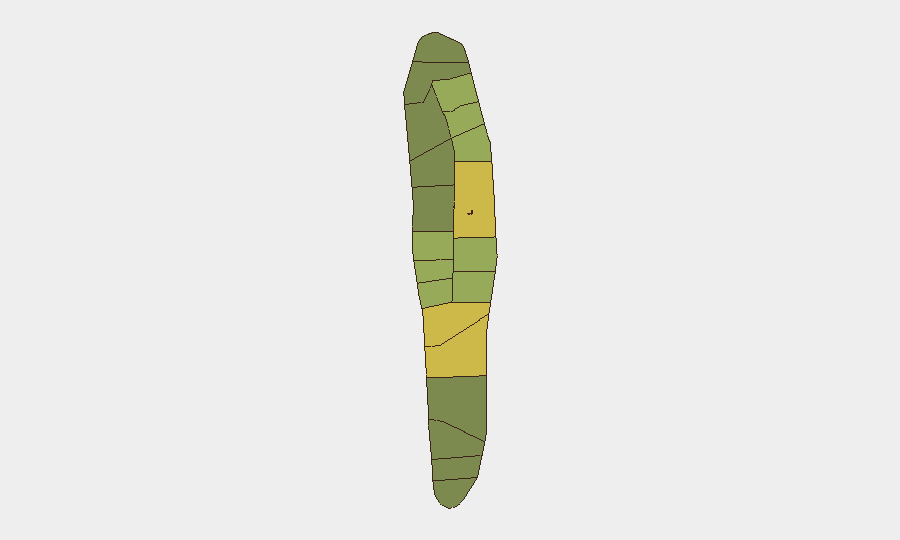
Malé and contiguous atoll zones (Malé Atoll, Hadhdhunmathi, Kolhumadulu) drive the national risk profile, with Malé itself rated 85 (highest sub-national score). These areas concentrate the population, commercial activity, and transit nodes—Velana International Airport, Hulhumalé's commercial markets, and inter-atoll ferry routes—creating vectors for both transnational crime (narcotics smuggling, irregular labor) and localized street crime. Maritime incidents in adjacent Kaafu atolls further reflect the operational hazards of inter-island transport and reef-navigation risks in a geographically dispersed archipelago.
How GeoBit Would Assist
Security teams would employ AOI Monitoring & Early Warning over Malé, Hulhumalé, and key maritime corridors to track emerging patterns in street crime, narcotics interdiction, and maritime incidents; OSINT fusion (web research, news feeds, sentiment analysis) to corroborate official incident reports and identify unreported or emerging threats in labor-migration and organized crime networks; and Maritime & Aviation tracking to monitor vessel movements and cargo flows at Velana and inter-atoll routes, enabling predictive risk routing and asset positioning ahead of seasonal weather or operational disruptions.
7-Day Outlook
Short-term trajectory remains stable, with focus on completing search-and-rescue operations for the two missing expatriates and local media coverage of maritime-safety reforms. Narcotics interdiction efforts and immigration enforcement are likely to remain active routine operations. No indicators suggest escalation in either crime intensity or maritime hazards, though seasonal weather patterns and continued irregular labor migration will sustain low-level operational risk in Greater Malé and transit zones.
Highest-Risk Areas — Ranked
| # | State / Region | Risk |
|---|---|---|
| 1 | Malé | 85 |
| 2 | Malé Atoll | 68 |
| 3 | Hadhdhunmathi | 65 |
| 4 | Kolhumadulu | 60 |
| 5 | Felidhu Atoll | 58 |
| 6 | Mulaku Atoll | 55 |
| 7 | Faadhippolhu | 52 |
| 8 | South Miladhunmadulu | 48 |
| 9 | North Miladhunmadulu | 45 |
| 10 | South Nilandhe Atoll | 44 |
| 11 | North Nilandhe Atoll | 42 |
| 12 | South Ari Atoll | 40 |
Sources
Previous Daily Briefs
A new Maldives brief is written every day — each with its own risk map and downloadable CSV. Here's the last week; use the calendar to go further back.
📅 Browse every day by calendar →
Highlighted days have a brief. Tap a day for that day's map & analysis, or “csv” for that day's dataset ($5).
Atlas — our AI intelligence desk — emails them this snapshot personally. Nothing else, no list.