Situation Summary
Serbia is experiencing a convergence of acute security stressors: organized-crime violence, explosive incidents with fatalities, alleged state-actor involvement at the border, and large-scale political protests following President Vučić's resignation announcement. The past 48 hours have seen five distinct critical incidents (grenade explosion, gang shooting, border arrests linked to Russian intelligence, industrial fatality, and violent protest clashes), concentrated in Central Serbia and at international borders. The combination of criminal activity, potential transnational terrorism risk, and civil unrest suggests elevated and volatile near-term threat conditions.
Key Developments
- Starčevo (Pančevo), 29 July evening: Hand grenade detonated in residential yard, killing 1 person and seriously injuring 2 others; device reportedly detonated while being passed between individuals, suggesting either accident or deliberate act in criminal/gang context.
- Serbia–Hungary border, 28–29 July: Two individuals arrested and placed under criminal investigation by Serbian prosecutors following German media reports linking them to Russian intelligence and possession of explosives possibly intended for attack in Germany; case flagged as transnational terrorism risk.
- Belgrade city-wide, 28–29 July: Violent clashes between protesters and police reported following President Vučić's announcement of resignation and early elections; thousands gathered in Kraljevo on 28 July; streets in capital described as chaotic for several hours, indicating sustained civil unrest and police-crowd friction.
- Šabac, 29 July evening: Milan Ostojić ("Sandokan"), alleged gang leader, shot and wounded in front of shopping center; attacker unidentified, injury severity unreported, suggesting ongoing gang-violence escalation.
- New Belgrade (Block 23), 29 July: Lawyer Danko Cvejić physically assaulted by group of unknown men in park while with children; case raised in legal and media circles as public-order and personal-security concern.
- Zrenjanin (Linglong tire factory), 29 July ~21:00: One worker fatality at industrial facility previously scrutinized for labor and safety conditions; investigation ongoing.
- Novi Sad–Belgrade highway, 29 July ~11:00: Serious traffic accident left 5 injured and created major traffic disruption; additional minor accidents reported overnight, indicating elevated travel-safety risk.
- Belgrade, 29 July (last 24h): Active police officers reported guarding controversial businessman Zvonko Veselinović, linked to organized-crime networks; raises rule-of-law and potential law-enforcement–criminal collusion concerns.
Highest-Risk Areas
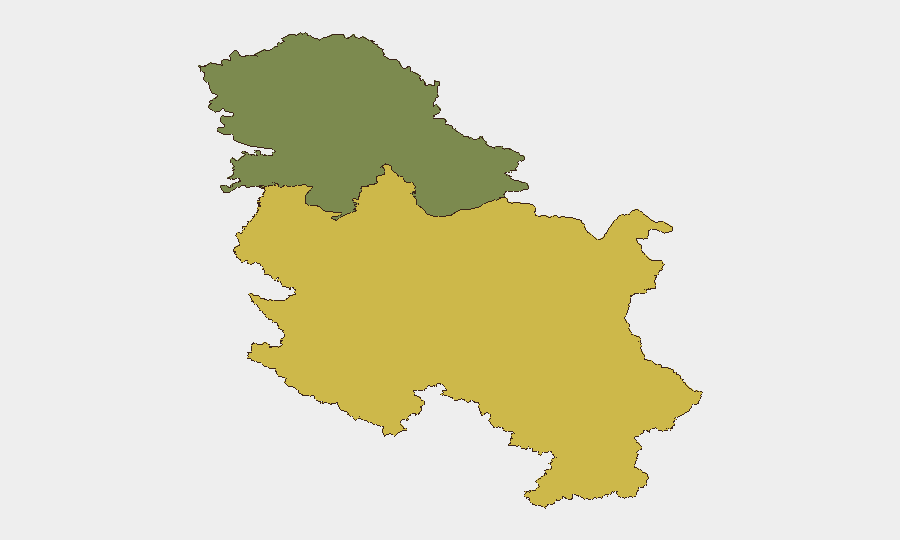
Central Serbia (composite risk 65) dominates the current threat landscape, driven by organized-crime violence (Šabac shooting, alleged police-criminal ties), explosive incidents (Starčevo fatality), and political unrest (Belgrade violent protests, Kraljevo mass gatherings). Vojvodina (risk 35) is secondary but elevated due to the Zrenjanin industrial fatality and the Serbia–Hungary border arrests, which expose the region to transnational terrorism and weapons-smuggling risk. Both regions warrant heightened duty-of-care scrutiny for expatriate populations and asset-security teams.
How GeoBit Would Assist
Security teams should employ AOI Monitoring & Early Warning on high-risk zones (Central Belgrade, Šabac, Pančevo, Zrenjanin, border crossings) to detect protest congregation, crime cluster patterns, and industrial incidents in near-real time. Network & Actor Analysis and OSINT fusion across local media, Telegram, and regional feeds would identify emerging gang conflicts and law-enforcement anomalies before escalation. Routing & Network Analysis enables real-time alternative-route planning for personnel traveling the Belgrade–Novi Sad highway and border corridors given current accident and unrest patterns.
7-Day Outlook
Political unrest is likely to persist as resignation and election mechanics unfold; protest sites (Belgrade, Kraljevo, provincial capitals) should be monitored for recurring violence. Organized-crime and explosive-device incidents show no sign of abatement and may escalate competitively; industrial and labor disputes remain elevated. Transnational security risk (border arrests) may trigger additional enforcement actions or retaliatory activity. Personnel and asset-security postures should remain heightened across Central Serbia through early August.
Highest-Risk Areas — Ranked
| # | State / Region | Risk |
|---|---|---|
| 1 | Central Serbia | 65 |
| 2 | Vojvodina | 35 |
Sources
Previous Daily Briefs
A new Serbia brief is written every day — each with its own risk map and downloadable CSV. Here's the last week; use the calendar to go further back.
📅 Browse every day by calendar →
Highlighted days have a brief. Tap a day for that day's map & analysis, or “csv” for that day's dataset ($5).
Atlas — our AI intelligence desk — emails them this snapshot personally. Nothing else, no list.