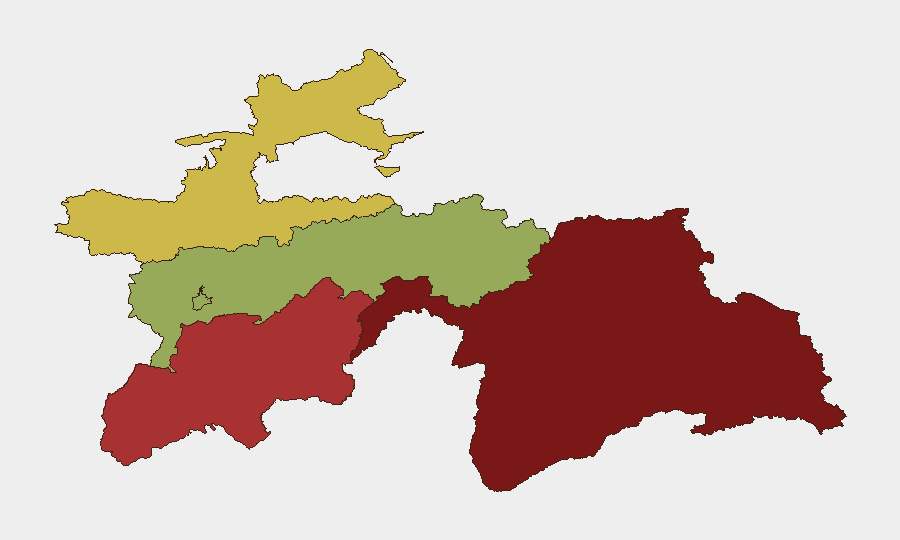
Situation Summary
Tajikistan remains stable across major urban and administrative centers, with no confirmed security incidents, civil unrest, or infrastructure disruptions reported in the last 24–48 hours. The country ranks #113 globally on the GeoBit composite threat index (score 8), reflecting low to moderate baseline risk outside border zones. However, the Tajikistan–Afghanistan border continues to present elevated hazard; cross-border incidents were reported in the preceding week, though no new clashes have been confirmed since 9 July. Overall trajectory is stable with persistent localized vulnerability in high-altitude and border-adjacent regions.
Key Developments
- 9 July, Dushanbe: Asian Development Bank announced technical and vocational education support initiative in Tajikistan; routine development engagement with no security implications.
- 9 July, London / Dushanbe: Tajikistan's Deputy Foreign Minister conducted economic and trade discussions with Bangladesh Chamber of Commerce leadership; standard diplomatic engagement, no reported instability or travel-risk factors.
- Recent (pre–9 July, outside strict 24–48h window but most recent conflict signal): Tajikistan's Committee for Emergency Situations reported 5 killed and 5 injured in cross-border attacks from Afghanistan; Presidential response included security-measure directives. No new casualties or escalation confirmed since this reporting period.
- Seismic activity: Magnitude 4.9 and 4.5 earthquakes recorded near Karakenja and Murghob respectively in recent days; consistent with regional seismic baseline in the Pamir system. No tsunami or secondary hazard alerts issued.
- Media environment: Journalist and resident arrests reported 7 July; incidents logged in GeoBit event database but no follow-up escalation or mass-detention reports confirmed as of 10 July.
Note on data sufficiency: Open-source news and social-media monitoring yield insufficient confirmed incident volume for a full 24–48 hour tactical briefing. No major armed clashes, terror attacks, protests, or infrastructure failures have been verified in the last two days. This reflects either genuine operational calm or information-access constraints common to Tajikistan's media environment.
Highest-Risk Areas
Gorno-Badakhshan Autonomous Region (risk 92) and Khatlon Region (risk 78) account for the majority of tracked threat indicators, driven by geographic isolation, Pamir mountain seismic activity, and proximity to the Afghanistan border where armed clashes and smuggling networks persist. Sughd Region (risk 65) ranks third, reflecting lower but sustained risk from informal security operations and border-trade disruption. Dushanbe (risk 42) and the Districts of Republican Subordination (risk 58) remain substantially lower-risk, supporting routine operations for corporate presence and expatriate staff. Organizations with field personnel or supply chains in Gorno-Badakhshan or Khatlon should apply heightened monitoring protocols.
How GeoBit Would Assist
Teams operating in Tajikistan should deploy AOI Monitoring & Early Warning on high-risk provinces—particularly the Afghanistan border corridor and Khatlon—to trigger automated alerts on conflict, cross-border incidents, and infrastructure disruption. Conflict & Military analysis and Network & Actor Analysis capabilities enable real-time tracking of armed-group activity and smuggling routes that may intersect corporate assets. Routing & Network Analysis supports contingency planning for personnel evacuation or supply-chain rerouting if border crossings close or regional roads become unsafe.
7-Day Outlook
Tajikistan is expected to remain operationally calm in urban centers through mid-July, with routine diplomatic and development activity. Border volatility remains a low-probability but material hazard; any renewal of cross-border clashes or Afghan instability spillover would likely manifest first in Khatlon or Gorno-Badakhshan. Seismic activity in the Pamir range is normal but warrants standard earthquake-response preparedness for remote field teams.
Highest-Risk Areas — Ranked
| # | State / Region | Risk |
|---|---|---|
| 1 | Gorno-Badakhshan Autonomous Region | 92 |
| 2 | Khatlon Region | 78 |
| 3 | Sughd Region | 65 |
| 4 | Districts of Republican Subordination | 58 |
| 5 | Dushanbe | 42 |
Sources
Previous Daily Briefs
A new Tajikistan brief is written every day — each with its own risk map and downloadable CSV. Here's the last week; use the calendar to go further back.
📅 Browse every day by calendar →
Highlighted days have a brief. Tap a day for that day's map & analysis, or “csv” for that day's dataset ($5).
Atlas — our AI intelligence desk — emails them this snapshot personally. Nothing else, no list.