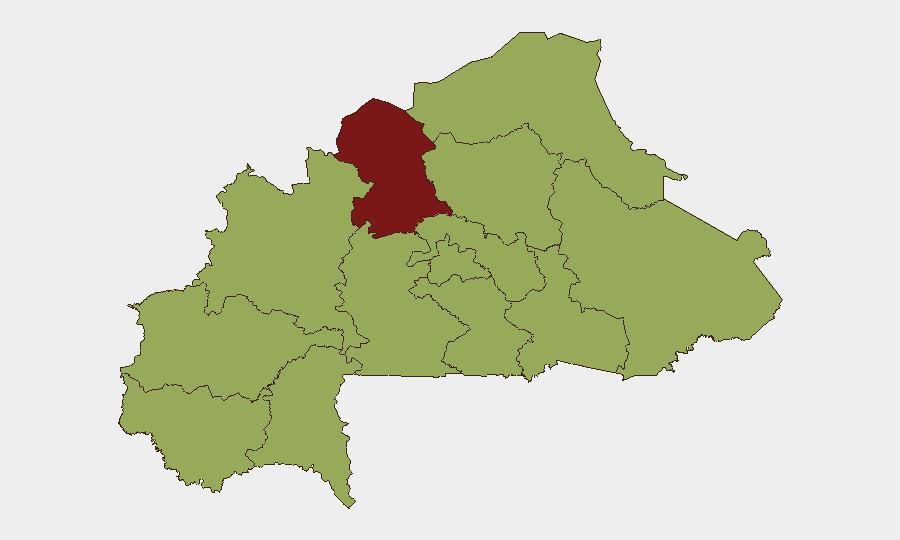
Situation Summary
Burkina Faso faces a sharp escalation in political risk following the military government's formal diplomatic rupture with France on 27 June 2026, with immediate expulsion of French diplomats and emerging restrictions on foreign nationals. No major armed attacks have been reliably confirmed in the last 24–48 hours, but the country remains under sustained pressure from active militant operations in the North and Sahel regions, combined with intensified domestic coercion (property seizures, detentions, rejection of civil demands). The confluence of Franco-Burkinabè hostility, internal governance tightening, and persistent armed-group activity creates a complex, multi-vector risk environment for corporate and expatriate presence.
Key Developments
- Ouagadougou (nationwide) – 27 June 2026 – Burkina Faso's military government formally severed diplomatic relations with France, accusing Paris of neo-colonial interference and support for terrorist networks. The decision was announced via televised statement and has been confirmed across multiple regional and international outlets.
- Ouagadougou – 27–28 June 2026 – Burkinabè authorities declared key French diplomats persona non grata and issued a 48-hour expulsion deadline. Social media and regional sources confirm immediate implementation and anticipated disruption to consular services and air links.
- France (Policy Guidance) – 27–28 June 2026 – French authorities issued heightened-vigilance advisories for French nationals in Burkina Faso and signaled a review of consular protocols, air services, and potential evacuation measures in response to the diplomatic break.
- Burkina Faso (nationwide) – 28 June 2026 – Burkinabè authorities issued a "demand" action against tourists, with limited detail on specifics. This signals potential emerging controls on foreign-visitor movement, taxation, or coercive measures.
- Burkina Faso (national governance) – 27–28 June 2026 – Pattern of intensified state coercion continues, including property seizures, detentions, and rejection of student demands. No single incident is fully specified, but the aggregate indicates heightened political instability and localized civil unrest risk in urban centers.
- North and Sahel regions – ongoing through 27–28 June 2026 – Military operations against extremist groups remain active, with continued operations to clear militant strongholds and increase military presence in rural areas. These are ongoing rather than tied to a single recent clash.
Highest-Risk Areas
The North region drives risk significantly, with a composite score of 81.7—more than 20 points above the national average—driven by active militant operations and military counter-operations. The Centre region (59.2) carries elevated risk due to proximity to the capital and concentration of governance/civil-unrest dynamics. The remaining ten regions cluster at 51.7, reflecting a broad, distributed underlying militant threat across the Sahel belt, Upper-Basins, and peripheral areas. The diplomatic rupture and emerging restrictions on foreign nationals compound risk unevenly: French nationals and Western corporate presence face heightened exposure, particularly in Ouagadougou and secondary urban centers where state monitoring and civil unrest are concentrated.
How GeoBit Would Assist
Security teams would use AOI Monitoring & Early Warning to track real-time developments in the North and Sahel regions, with persistent alerting for new armed clashes or state-coercion incidents. Intel Sweep, X/Twitter OSINT, and multi-language search would provide daily corroboration of diplomatic, governmental, and travel-restriction developments, particularly French-language sources and official statements. Routing & Network Analysis would enable alternative journey planning for personnel transiting or based in Ouagadougou and secondary cities, accounting for emerging checkpoint activity or border-closure risks.
7-Day Outlook
The diplomatic rupture is likely to harden over the next week, with formal air-link suspensions and further consular drawdowns. Domestic coercion may intensify as the junta consolidates control; civil unrest and localized protest remain possible in urban areas. Armed-group operations in the North will persist at current intensity; no major new offensive is expected but ambush and IED risk remains acute in rural corridors.
Highest-Risk Areas — Ranked
| # | State / Region | Risk |
|---|---|---|
| 1 | North | 81.7 |
| 2 | Centre | 59.2 |
| 3 | Upper-Basins | 51.7 |
| 4 | Boucle du Mouhoun | 51.7 |
| 5 | Central-West | 51.7 |
| 6 | Central-South | 51.7 |
| 7 | Central-East | 51.7 |
| 8 | Waterfalls | 51.7 |
| 9 | Southwest | 51.7 |
| 10 | Sahel | 51.7 |
| 11 | Central-North | 51.7 |
| 12 | East | 51.7 |
Sources
Previous Daily Briefs
A new Burkina Faso brief is written every day — each with its own risk map and downloadable CSV. Here's the last week; use the calendar to go further back.
📅 Browse every day by calendar →
Highlighted days have a brief. Tap a day for that day's map & analysis, or “csv” for that day's dataset ($5).