Situation Summary
Serbia remains a mid-tier composite risk (rank #86 globally, score 19) with civil unrest as the primary driver. The security environment is shaped by sustained political tension linked to demands for snap elections, ongoing Kosovo-related friction, and localized criminal activity in Belgrade. No mass violence or infrastructure sabotage has been reported in the last 24–48 hours, but the announcement of likely October parliamentary elections signals continued protest mobilization risk in urban centers.
Key Developments
- Belgrade, August 21: President Vučić announced in an RTS interview that snap parliamentary elections will likely occur on October 18 or 25, 2026, directly responding to sustained anti-government protests over the Novi Sad train station canopy collapse. This signals anticipated continued protest activity and potential mobilization in Belgrade and other cities ahead of the election date.
- Zemun Polje (Belgrade), August 20–21: Two young male suspects remain at large after brutally assaulting two men (both age 35) around 20:00 on Anton Klemencić Street in the Zemun Polje neighborhood. One victim sustained skull fractures and severe facial injuries, indicating active violent-crime threat in residential Belgrade areas.
- Stari Grad (Belgrade), August 21 (offense August 11): Belgrade Police arrested a 33-year-old man and filed charges against a 20-year-old in connection with arson attacks on motorcycles and a vehicle in central Belgrade. The delayed reporting of arrests underscores active law-enforcement operations on fire/explosion offenses in the city center.
- Belgrade–NATO, August 20–21: President Vučić sent a formal letter to NATO Secretary General Mark Rutte demanding KFOR intervention against what he characterized as "terror against Serbs" in Kosovo and requesting prevention of the Ibar River bridge opening in Kosovska Mitrovica. This reflects elevated tensions over Serb community security and cross-border infrastructure control.
- Belgrade–Brussels, August 21: Serbian officials (including Petković) criticized EU assessments of the Ibar bridge situation, arguing key prerequisites from the Belgrade–Pristina Dialogue remain unfulfilled. Ongoing diplomatic friction over northern Kosovo infrastructure could translate into civil tension and cross-border travel complications.
- Serbia (regional), August 20–21: Russia deployed firefighting aircraft to Serbia after authorities cited insufficient EU firefighting capacity to address active wildfires. This infrastructure gap may affect rural travel safety and air quality in affected regions, though specific fire locations remain unspecified in reporting.
Highest-Risk Areas
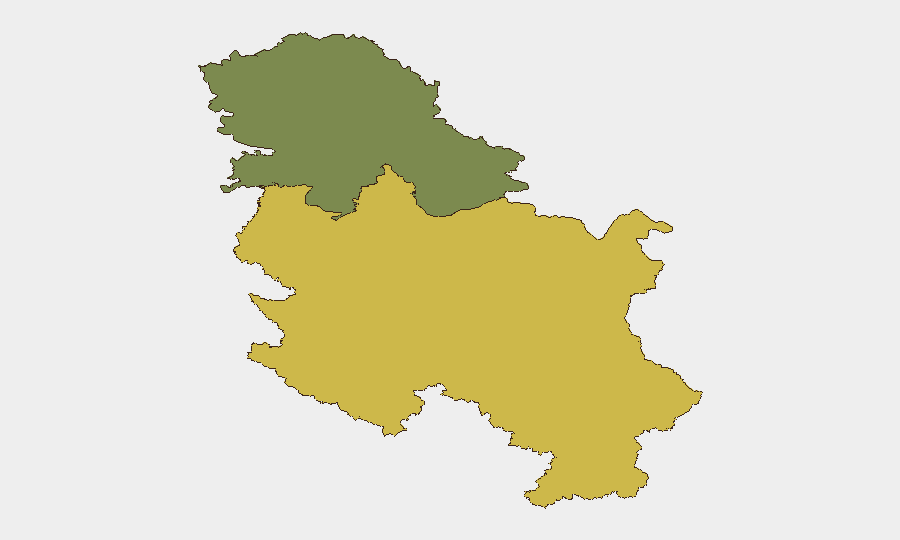
Central Serbia (composite risk 65) dominates the national threat picture, driven primarily by protest activity and political tension concentrated in Belgrade, compounded by organized-crime homicides and localized violent assault. Vojvodina (risk 35) presents secondary risk, with memorial protest activity reported in Valjevo reflecting broader civil unrest tied to past police-brutality incidents. Both regions are experiencing heightened political and social mobilization tied to the election announcement and Kosovo-related security concerns.
How GeoBit Would Assist
Corporate security teams should deploy AOI Monitoring & Early Warning on Belgrade city center, Zemun Polje, and major protest assembly points to track protest mobilization ahead of the October election dates and flag violent-crime hotspots. OSINT Fusion & Corroboration (Twitter/Telegram, YouTube, multi-language search) across Serbian-language opposition and activist networks will provide early signals of planned demonstrations. Routing & Network Analysis can identify safer transit routes in Belgrade and contingency travel plans around the Ibar bridge and Kosovo border crossings given heightened diplomatic friction.
7-Day Outlook
Political tension will likely intensify as the October election date approaches, with sustained protest activity in Belgrade and secondary urban centers. Localized violent crime and property offenses are expected to persist; no large-scale civil disorder is forecast in the immediate 7-day window, but demonstration density should increase as the election nears. Cross-border travel via Kosovo remains subject to diplomatic friction, with no imminent infrastructure changes but heightened sensitivity around the Ibar bridge.
Highest-Risk Areas — Ranked
| # | State / Region | Risk |
|---|---|---|
| 1 | Central Serbia | 65 |
| 2 | Vojvodina | 35 |
Sources
Previous Daily Briefs
A new Serbia brief is written every day — each with its own risk map and downloadable CSV. Here's the last week; use the calendar to go further back.
- August 19, 2026
- August 17, 2026
- August 15, 2026
- August 13, 2026
- August 11, 2026
- August 9, 2026
- August 7, 2026
📅 Browse every day by calendar →
Highlighted days have a brief. Tap a day for that day's map & analysis, or “csv” for that day's dataset ($5).
Atlas — our AI intelligence desk — emails them this snapshot personally. Nothing else, no list.