Situation Summary
Vanuatu presents a stable security environment with no verified incidents, civil unrest, infrastructure disruption, or major crime reported in the last 24–48 hours. Countrywide signals remain stable across 62 tracked items, and all foreign government travel advisories maintain "exercise normal safety precautions" guidance with no recent changes. The overall composite threat score remains low at 2, with zero tracked acute events in the current monitoring window.
Key Developments
- Countrywide (26–27 July 2026): Multiple independent security platforms (Geobit, OpenWatch, regional news) confirm no new verified security, unrest, crime, or infrastructure incidents reported during the 24–48 hour window, indicating sustained stability.
- Countrywide (last 48 hours): Signal monitoring across 62 tracked items shows no significant trend changes or actionable events, maintaining baseline conditions with no emerging acute threats.
- Port Vila & Santo (last 24–48 hours): Regional broadcasts covering major urban centres document political and cultural activity (independence festivities, language observances) but record no fresh protests, riots, serious crime events, or service disruptions.
- Countrywide (last 24–48 hours): Vanuatu Meteorology and Geo-Hazards Department warnings remain clear; no new severe weather, volcanic, or tsunami alerts have been issued that would alter travel or infrastructure risk profiles.
- Countrywide (current status): Foreign government travel advisories and embassy security notices maintain standing guidance with no incident-driven updates or advisory escalations in the last 1–2 days.
Highest-Risk Areas
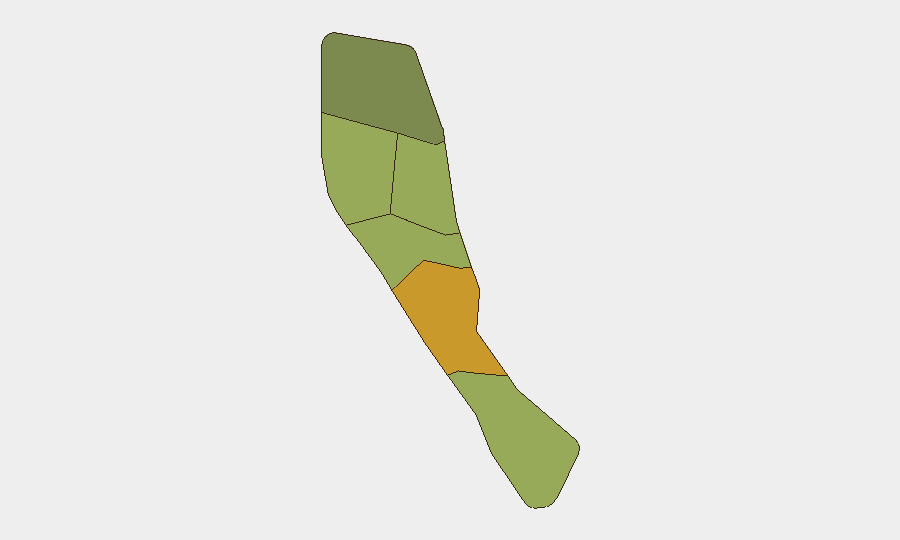
Shefa Province (score 72) and Penama (score 58) rank significantly above other regions and drive the country's composite risk profile, followed by Sanma (52), Malampa (48), Tafea (45), and Torba (35). The concentration of risk in Shefa—which encompasses Port Vila and the capital region—reflects ongoing exposure to petty crime, informal settlement dynamics, and intermittent social tensions typical of urban centres; Penama's elevated score likely reflects historical civil-order and resource-access patterns across its island communities. Corporate and duty-of-care teams should apply heightened situational awareness in these two provinces, particularly Port Vila, while recognizing that the absolute threat level remains low relative to global benchmarks.
How GeoBit Would Assist
Security teams managing personnel or assets in Vanuatu should deploy AOI Monitoring & Early Warning on Shefa and Penama to capture emerging social, crime, or infrastructure signals before escalation; OSINT Sweep (multi-language media, social-media sentiment, and event feeds) to track civil-order and labour developments; and Risk & Threat Assessment to model duty-of-care exposures in high-risk districts (e.g., Port Vila informal settlements, inter-island transport corridors). These capabilities enable real-time detection of trend breaks and early mobilization of response protocols.
7-Day Outlook
Near-term trajectory remains stable. Seasonal weather patterns and routine political activity are not expected to disrupt security or infrastructure over the next seven days. Continued monitoring of Shefa and Penama for emerging labour, land, or resource-access tensions remains prudent as a precautionary measure, though no specific indicators currently suggest imminent escalation.
Highest-Risk Areas — Ranked
| # | State / Region | Risk |
|---|---|---|
| 1 | Shefa Province | 72 |
| 2 | Penama | 58 |
| 3 | Sanma | 52 |
| 4 | Malampa | 48 |
| 5 | Tafea | 45 |
| 6 | Torba | 35 |
Sources
Previous Daily Briefs
A new Vanuatu brief is written every day — each with its own risk map and downloadable CSV. Here's the last week; use the calendar to go further back.
📅 Browse every day by calendar →
Highlighted days have a brief. Tap a day for that day's map & analysis, or “csv” for that day's dataset ($5).
Atlas — our AI intelligence desk — emails them this snapshot personally. Nothing else, no list.