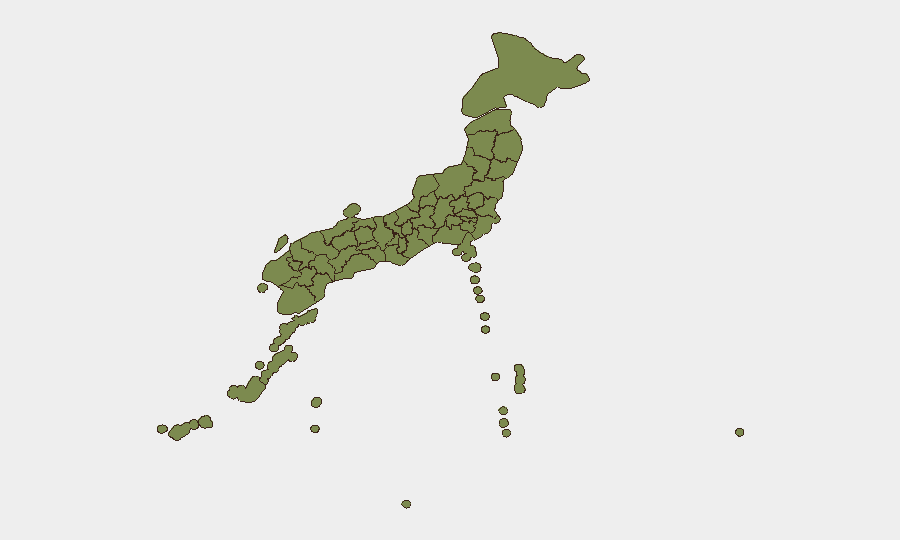
Situation Summary
Japan remains a low-threat environment globally (rank #133, composite score 6), but sub-national risk concentration in Nagano Prefecture and secondary clusters in Tokyo and Osaka warrant focused monitoring. Recent event signals (July 1–3) point to diplomatic friction with China, domestic policy disagreements, and an unconfirmed data-security incident; none indicate imminent physical security degradation. The operating environment for corporate assets remains stable, though geopolitical and cyber vectors merit sustained attention.
Key Developments
- Aflac Japan data breach disclosure (June 25–30, 2026): Unauthorized system access exposed personal, policy, and bank-account data affecting millions of customers; breach window June 15–25. While disclosure occurred outside the last 24 hours, this remains the most significant confirmed security event in the current tracking cycle and warrants ongoing incident monitoring by companies with Japanese financial-services exposure.
- China–Japan diplomatic friction (July 2, 2026): Two consecutive "Disapprove" signals recorded between China and Japan; context and specificity remain unclear from available signals, but pattern consistent with ongoing South China Sea, trade, or technology-security disputes. No escalation to physical security threat level detected.
- Domestic policy discord (July 2, 2026): "Public Statement" and "Disapprove" events involving Japanese actors, government bodies, schools, and industry suggest internal policy disagreement (education, labor, or industrial regulation suspected). No direct corporate security impact identified.
- US–Japan relations signal (July 2, 2026): One "Disapprove" event logged for "Japan vs The US"; insufficient detail to assess severity, but consistent with routine alliance friction on trade, defense burden-sharing, or technology policy. No acute deterioration indicated.
- No confirmed active security incidents in last 24 hours: Web research within the past 24–48 hours yielded no new physical-security, transport, or civil-unrest events requiring immediate duty-of-care escalation.
Highest-Risk Areas
Nagano Prefecture's disproportionately high risk score (34) substantially exceeds the national average and warrants investigation into underlying drivers—whether seismic, weather, infrastructure, or social instability. Tokyo (18.5) and Osaka (18.4) reflect major metropolitan populations and economic concentration, elevating exposure to cyber incidents, labor action, and transportation disruption. Hokkaido (13.5) and Okayama (10.1) show secondary risk elevation; geographic or sectoral analysis (ports, manufacturing, or critical infrastructure) would clarify whether these reflect persistent vulnerabilities or transient events. All other tracked prefectures remain below risk 8, indicating the threat landscape is highly localized.
How GeoBit Would Assist
Intel Sweep and OSINT Fusion would enable continuous monitoring of China–Japan diplomatic signals, cyber-threat actor communications (Telegram, X), and supply-chain intelligence to detect shifts in espionage or trade-security pressure. AOI Monitoring & Early Warning with persistent watch on Nagano, Tokyo, and Osaka prefectures would alert security teams to emerging physical risks, civil unrest, or infrastructure incidents before they escalate. Cyber and Entity Network Analysis, combined with multi-language search, would track the Aflac incident aftermath, threat-actor claims, and downstream fraud activity affecting customer accounts or corporate systems.
7-Day Outlook
Diplomatic friction with China is expected to persist without immediate crisis indicators; monitoring China's public statements and military posture in adjacent waters remains standard. The Aflac breach will likely generate follow-on regulatory action and customer-notification activity through early July, extending operational disruption. No indicators suggest acute physical-security degradation; corporate operations should maintain routine vigilance on transport, facility access, and cyber-hygiene protocols.
Highest-Risk Areas — Ranked
| # | State / Region | Risk |
|---|---|---|
| 1 | Nagano Prefecture | 34 |
| 2 | Tokyo | 18.5 |
| 3 | Osaka Prefecture | 18.4 |
| 4 | Hokkaido Prefecture | 13.5 |
| 5 | Okayama Prefecture | 10.1 |
| 6 | Fukuoka Prefecture | 7.8 |
| 7 | Hyogo Prefecture | 7.1 |
| 8 | Kyoto Prefecture | 6.9 |
| 9 | Kanagawa Prefecture | 6.9 |
| 10 | Shizuoka Prefecture | 5.1 |
| 11 | Iwate Prefecture | 4.9 |
| 12 | Hiroshima Prefecture | 4.7 |
Sources
Previous Daily Briefs
A new Japan brief is written every day — each with its own risk map and downloadable CSV. Here's the last week; use the calendar to go further back.
📅 Browse every day by calendar →
Highlighted days have a brief. Tap a day for that day's map & analysis, or “csv” for that day's dataset ($5).