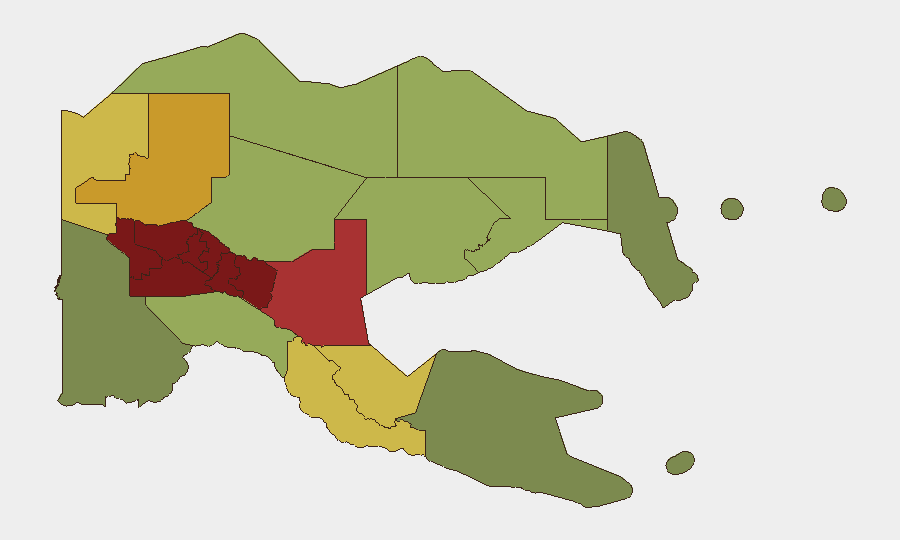
Situation Summary
Papua New Guinea faces a fragmented but intensifying security picture, with episodic violence concentrated in the highlands and Bougainville rather than systemic nationwide instability. The past week has seen a significant armed attack on a mining operation in Bougainville, targeted killings along transport corridors in the Papua Highlands linked to separatist activity, and a high-profile homicide in Simbu Province, each signalling elevated risk in their respective zones. National-level institutions remain functional—Independence Day observances occurred without major incident—but subnational volatility and crime remain the primary duty-of-care concern for organizations with field presence.
Key Developments
- Panguna, Bougainville — 2026-09-15: Armed operatives conducted a coordinated attack on the Lloyds Metals & Energy mine camp, burning equipment and machinery, resulting in armed clashes with at least two shooting victims and multiple arrests. The Autonomous Bougainville Government characterized the incident as "terroristic acts of violence," indicating heightened operational security risk around the mine site and surrounding area.
- Lake Habema–Wamena–Nduga transport corridor, Jayawijaya Regency — 2026-09-15: A civilian driver, Aris Sanda, was shot dead on the route; his vehicle was subsequently burned. Multiple sources attributed the killing to TPNPB/OPM separatist elements operating in the region.
- Jayawijaya-Nduga transport zone — 2026-09-16 to 2026-09-18: TPNPB spokesman Sebby Sambom issued public warnings that non-Papuan and migrant drivers should avoid the area, with local sources describing key routes as "war zones." The advisory reflects acute escalation and suggests organized anti-access messaging by armed actors.
- Kundiawa, Simbu Province — 2026-09-16 to 2026-09-17: A 26-year-old medical officer at Sir Joseph Nombri Memorial Hospital died following an alleged brutal assault; hospital staff subsequently staged a sit-in protest. The incident underscores violent crime affecting essential service personnel in provincial capitals.
- Jayawijaya Regency — 2026-09-09 (referenced in week's reporting): Three civil servants from the local Agriculture Agency were killed, cited as part of the same escalating conflict dynamic in the highlands.
- Papua New Guinea — 2026-09-20: A 6.4 magnitude earthquake occurred, creating potential for infrastructure disruption and travel delays, though no major damage was confirmed by week's end.
- Papua New Guinea — 2026-09-16 to 2026-09-21: Independence Day (51st anniversary) celebrations proceeded without reported major security incidents or nationwide unrest.
Highest-Risk Areas
The Southern Highlands, Enga, Hela, and Eastern Highlands provinces dominate the risk ranking (scores 98–92), driven by entrenched tribal conflict, gang activity, and limited state policing presence. The Papua Highlands (encompassing Jayawijaya and neighboring districts) face acute risk from separatist armed groups (TPNPB/OPM), evidenced by the week's killings and organized anti-access warnings. Bougainville's risk is now sharpened by the Panguna mine attack, signalling potential escalation around resource extraction zones. The National Capital District (rank 7, score 85) remains moderately elevated due to petty and armed crime, though it retains better institutional oversight than provincial zones.
How GeoBit Would Assist
AOI Monitoring & Early Warning would track the Jayawijaya-Nduga corridors, Panguna mine perimeter, and Kundiawa for continued violence or armed activity, alerting teams to fresh incidents within hours. Routing & Network Analysis would model secure alternative transport routes around the Papua Highlands and Bougainville, accounting for real-time closure advisories. OSINT fusion and multi-language monitoring (including armed-group communications, local media, and Telegram channels) would capture TPNPB messaging and provincial police alerts before they reach formal briefing channels.
7-Day Outlook
The Jayawijaya-Nduga corridor will likely remain high-alert through the immediate term, with TPNPB maintaining anti-access posturing and civilian casualty risk elevated. Mining operations and essential-service staff in conflict zones should expect continued security pressure and possible further incidents. Seismic activity may disrupt transport in affected regions; combined with existing armed-group activity, route planning and personnel mobility will remain constrained.
Highest-Risk Areas — Ranked
| # | State / Region | Risk |
|---|---|---|
| 1 | Southern Highlands | 98 |
| 2 | Enga | 96 |
| 3 | Hela | 94 |
| 4 | Eastern Highlands | 92 |
| 5 | Western Highlands | 90 |
| 6 | Jiwaka | 88 |
| 7 | National Capital District | 85 |
| 8 | Simbu | 82 |
| 9 | Morobe | 78 |
| 10 | East Sepik | 72 |
| 11 | Sandaun | 68 |
| 12 | Oro | 66 |
Sources
Previous Weekly Briefs
A new Papua New Guinea brief is written every Monday, covering the week — each with its own risk map and downloadable CSV. Use the calendar to go further back.
- September 14, 2026
- September 8, 2026
- September 2, 2026
- August 31, 2026
- August 29, 2026
- August 27, 2026
- August 25, 2026
📅 Browse past briefs by calendar →
Highlighted days have a brief. Tap a day for that day's map & analysis, or “csv” for that day's dataset ($5).
Atlas — our AI intelligence desk — emails them this snapshot personally. Nothing else, no list.