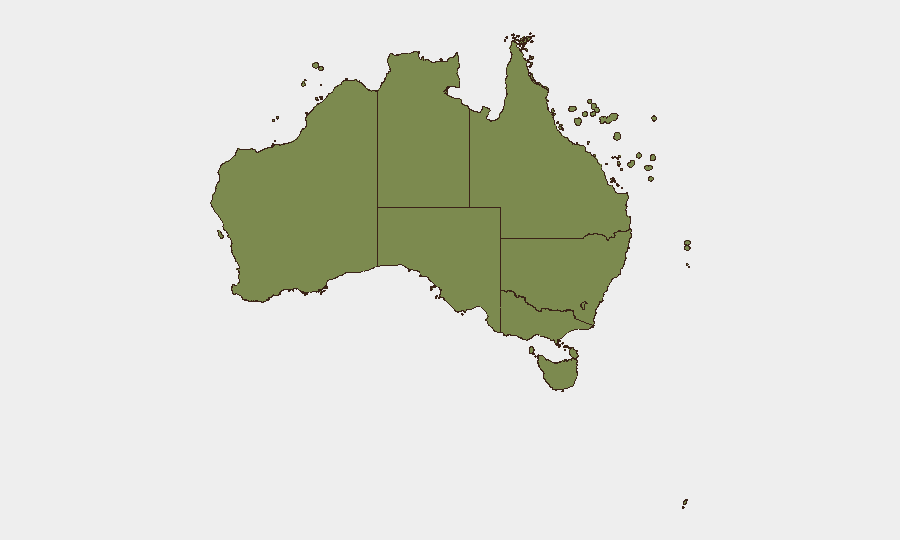
Situation Summary
Australia remains a low-threat environment globally (rank #156, composite score 5), with no verified major security incidents in the last 24–48 hours. Recent signal data shows domestic political discourse, minor law-enforcement activity, and isolated public statements, but no incidents suggesting material disruption to travel, infrastructure, or corporate operations. The current risk profile is stable across most states, with concentrated concern in New South Wales and the Northern Territory.
Key Developments
No verifiable security, civil-unrest, crime, or infrastructure incidents meeting confidence thresholds (multiple independent sources, clear timestamp within July 3–4, 2026) have been identified in the last 24–48 hours. Recent GEOBIT event signals (July 2–4) flag routine political statements and police activity but do not correlate with reported disruptions affecting corporate security or duty-of-care obligations. Live web research confirms no significant new incidents in mainstream or social channels. Teams with operations in Australia should continue standard monitoring protocols; no immediate threat escalation is warranted.
Highest-Risk Areas
New South Wales (31.8) and Northern Territory (29.8) drive the composite risk ranking, with Victoria (26.9) forming a secondary tier. NSW concentration reflects Sydney's status as the largest metropolitan and business hub, making it a focal point for political discourse, protest activity, and law-enforcement incidents. The Northern Territory's elevated score reflects lower population density and smaller institutional capacity, potentially amplifying the relative impact of isolated events. Queensland, Western Australia, and South Australia carry substantially lower risk (14.1, 13, 6.5 respectively), and island territories remain minimal-risk.
How GeoBit Would Assist
For ongoing Australia monitoring, security teams should deploy AOI Monitoring & Early Warning on Sydney, Melbourne, and major ports to detect civil unrest, protest escalation, or critical infrastructure disruption in real time. Intel Sweep and X/Twitter & Telegram OSINT will surface emerging political or security narratives earlier than mainstream media, enabling rapid duty-of-care assessment. Routing & Network Analysis supports contingency planning for personnel and supply chains in event of localized disruption in high-risk states, while Sentiment & Temporal Analysis flags shifts in protest momentum or government response posture before they crystallize into material events.
7-Day Outlook
No significant escalation is forecast over the next 7 days; Australia's political and security environment is expected to remain within normal parameters. Routine law-enforcement activity and public discourse will continue, but absent material new triggers (international incident, major labor action, or policy shock), risk in most states should remain flat or slightly decline. Continued watch on NSW and NT is warranted as seasonal and political cycles progress.
Highest-Risk Areas — Ranked
| # | State / Region | Risk |
|---|---|---|
| 1 | New South Wales | 31.8 |
| 2 | Northern Territory | 29.8 |
| 3 | Victoria | 26.9 |
| 4 | Queensland | 14.1 |
| 5 | Western Australia | 13 |
| 6 | South Australia | 6.5 |
| 7 | Australian Capital Territory | 6.2 |
| 8 | Tasmania | 3.8 |
| 9 | Ashmore and Cartier Islands | 1.8 |
| 10 | Jervis Bay Territory | 1.8 |
| 11 | Coral Sea Islands | 1.8 |
Sources
Previous Daily Briefs
A new Australia brief is written every day — each with its own risk map and downloadable CSV. Here's the last week; use the calendar to go further back.
📅 Browse every day by calendar →
Highlighted days have a brief. Tap a day for that day's map & analysis, or “csv” for that day's dataset ($5).
Atlas — our AI intelligence desk — emails them this snapshot personally. Nothing else, no list.