Situation Summary
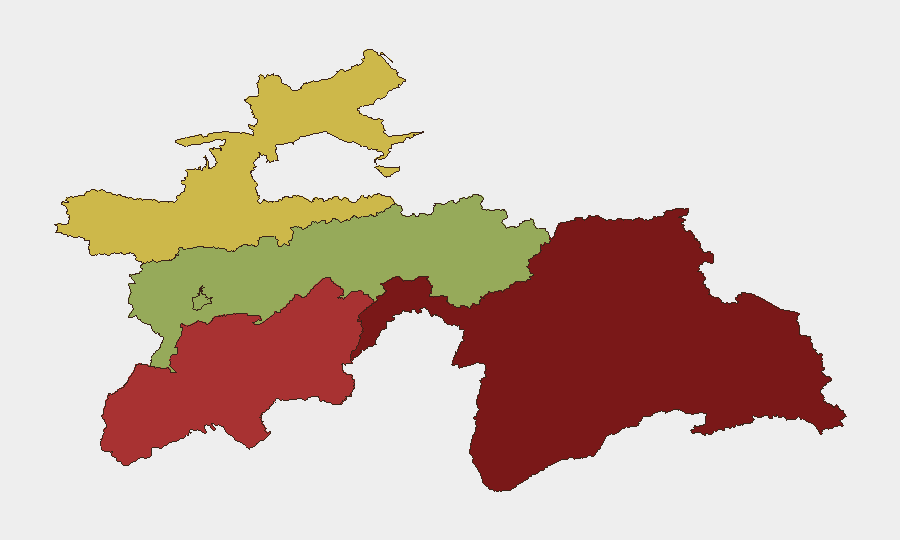
Tajikistan remains a low-frequency threat environment globally (composite score 5), but sub-national variation is substantial: Gorno-Badakhshan Autonomous Region and Khatlon Region face elevated risk driven by Afghan border volatility, narcotics trafficking, and armed group activity. The capital Dushanbe and Republican Subordination districts show moderate baseline risk. Over the past 48 hours, activity has centered on routine military exercises and cross-border instability rather than domestic escalation, though border-area armed encounters and serious violent crime persist at localized levels.
Key Developments
- Russian 201st Military Base, Dushanbe (20 July 2026): Russian anti-terror units conducted live exercises simulating infiltration and weapons-depot seizure, including UAV counter-measures. May result in temporary movement restrictions or heightened security cordons around military facilities in the capital.
- Khwahan District, Afghanistan–Tajikistan Border (19 July 2026, ~02:00): Unidentified armed actors fired rockets and weapons at a Taliban border battalion directly opposite Tajikistan's Gorno-Badakhshan Autonomous Region. Taliban detained local residents afterward. Reflects ongoing cross-border armed activity with potential spillover risk to adjacent Tajik territory.
- Yaftal District, Afghanistan (17 July 2026, early morning): Armed group Sepah-e Mihan briefly seized the district before Taliban reassertion. Demonstrates presence of non-state actors in immediate border proximity and contributes to volatile frontier environment.
- Tajik–Afghan Border, Multiple Sectors (Cumulative H1 2026, reported 17 July): Tajik authorities documented seven armed clashes with presumed narcotics smugglers along the border, resulting in 17 Afghan nationals killed. Indicates sustained armed trafficking activity and enforcement encounters in Khatlon and GBAO border zones.
- Fatal Stabbing, Residential Location, Tajikistan (Mid-July 2026, ~22:30): A man inflicted 16 knife wounds on a woman in her yard; she died at scene. Criminal investigation opened. Highlights ongoing serious violent crime and personal-security risks, particularly at night.
- UN Human Rights Council Review Closure (21 July 2026): UN confidential procedure on Tajikistan concluded after government reported unspecified "measures and commitments," including reported sentence reductions for jailed journalists. Indicates persistence of rule-of-law concerns and limited political opening despite limited reforms.
Highest-Risk Areas
Gorno-Badakhshan Autonomous Region (risk 92) dominates the threat landscape due to proximity to unstable Afghan Badakhshan province, presence of armed groups, trafficking activity, and historical unrest. Khatlon Region (risk 78) faces similar cross-border narcotics-smuggling and armed-encounter dynamics along its long Afghan frontier. Sughd Region (risk 65) carries lower but notable risk from border proximity and localized crime. Dushanbe (risk 42) and Republican Subordination districts remain lower-risk but are subject to military and security operations and isolated serious crime. Border regions are the primary vulnerability vector.
How GeoBit Would Assist
Security teams should employ AOI Monitoring & Early Warning on Gorno-Badakhshan and Khatlon border sectors to detect cross-border armed activity and trafficking incidents in real time. Intel Sweep and multi-language OSINT (X/Telegram, open sources) provide continuous situational awareness of localized crime, military exercises, and Taliban–armed-group dynamics in adjacent Afghanistan. Routing & Network Analysis can identify alternative travel corridors and risk profiles for land movements to or within border zones, particularly during elevated military activity.
7-Day Outlook
No systemic escalation is expected in the near term. Border clashes and trafficking encounters will likely continue at current low-to-moderate frequency. Military exercises and enforcement operations in Dushanbe and border regions may periodically tighten security around military and government facilities. Monitoring of Afghan-side developments (Taliban consolidation, non-state actor activity) remains critical to early warning of spillover risk.
Highest-Risk Areas — Ranked
| # | State / Region | Risk |
|---|---|---|
| 1 | Gorno-Badakhshan Autonomous Region | 92 |
| 2 | Khatlon Region | 78 |
| 3 | Sughd Region | 65 |
| 4 | Districts of Republican Subordination | 58 |
| 5 | Dushanbe | 42 |
Sources
Previous Daily Briefs
A new Tajikistan brief is written every day — each with its own risk map and downloadable CSV. Here's the last week; use the calendar to go further back.
📅 Browse every day by calendar →
Highlighted days have a brief. Tap a day for that day's map & analysis, or “csv” for that day's dataset ($5).
Atlas — our AI intelligence desk — emails them this snapshot personally. Nothing else, no list.