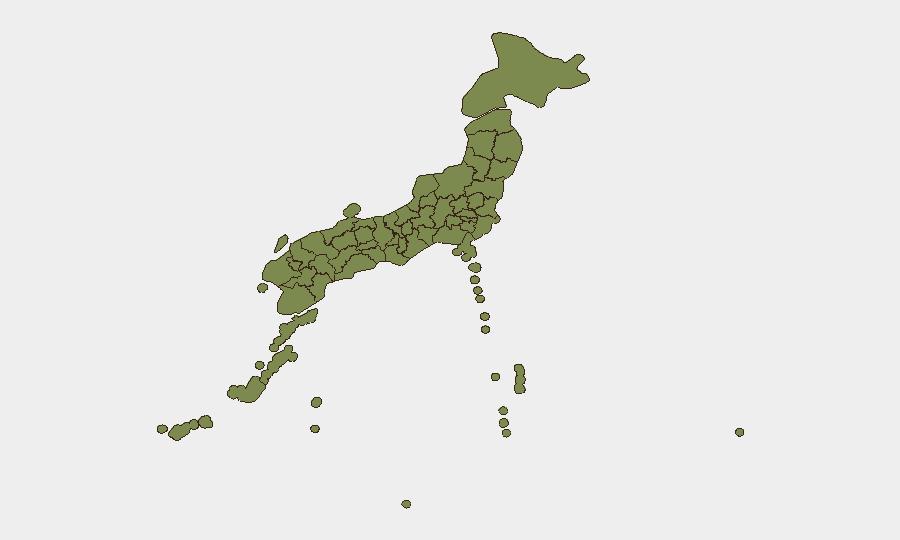
Situation Summary
Japan remains a low-threat, stable operating environment with no major physical-security incidents, civil unrest, or infrastructure disruptions reported in the last 24–48 hours. The current security posture is characterized by a composite threat score of 6 globally (rank #130), with elevated risk concentrated in cyber and data-protection domains rather than acute physical threats. Recent government reporting (Cabinet-adopted Personal Information Protection Commission data, 2026-07-08) documents systemic cyber vulnerabilities: 19,417 personal data breaches in FY2025, including a record 2,278 government-agency exposures. The security trajectory remains stable on physical fronts; cyber and third-party data-exposure remediation will remain priority areas for corporate risk teams.
Key Developments
- Nationwide cyber risk (2026-07-08): Cabinet adopted FY2025 personal data-breach report showing 19,417 confirmed cases and 2,278 government-agency breaches—highest on record—indicating systemic exposure management challenges across Japan's digital infrastructure.
- Fukuoka Prefecture, Nissan Motor data exposure (ongoing, disclosed early July 2026): Third-party compromise of Red Hat–managed servers used by Nissan Fukuoka Sales continues under active remediation, affecting approximately 21,000 customer records; no resolution timeline disclosed.
- Regional cyber/governance investigations (2026-07-08): National Assembly demanded investigation into industry and Google-related data-handling practices; scope and timeline not yet detailed in open-source reporting.
- US–Japan relations (2026-07-07): US issued disapproval statement regarding unnamed company practice; Japanese government statement on relations reduction followed (2026-07-08). Specific commercial or diplomatic impact unclear from available reporting.
- No active physical-security or civil-unrest incidents (24–48 hours): Open-source monitoring confirms absence of transport disruptions, active protests, criminal violence, or infrastructure incidents affecting business continuity in major operational zones.
Highest-Risk Areas
Nagano Prefecture drives the risk ranking significantly (score 33.1), more than 2.5× Tokyo's score (12.9) and substantially above all other regions. The source of Nagano's elevated composite score is not disclosed in real-time reporting; security teams should treat this as a monitoring priority for contextual clarification. Tokyo (12.9) and Hokkaido (12.2) follow, likely reflecting population density, economic activity, and baseline event-reporting volume. Kyoto and Shizuoka (5.4 and 4.3 respectively) represent moderate risk; all remaining prefectures cluster at or near 3.1. For corporate operations, Tokyo remains the highest-concern urban center; Nagano warrants specific intelligence clarification to determine whether the elevated score reflects disclosed incidents, infrastructure vulnerabilities, or data-breach concentrations.
How GeoBit Would Assist
Intel Sweep and OSINT fusion enable continuous cross-language, multi-platform monitoring of Japan's cyber and physical-threat landscape, with entity extraction and temporal analysis to distinguish active incidents from historical context—critical for duty-of-care teams managing distributed workforces. AOI Monitoring & Early Warning on high-risk prefectures (Nagano, Tokyo, Hokkaido) with persistent alerting can detect emerging civil unrest, infrastructure disruption, or security incidents before they affect travel or supply chains. Network & Actor Analysis applied to disclosed data breaches (Nissan, Google, industry investigations) allows security teams to assess third-party and supply-chain exposure and prioritize remediation coordination with vendors.
7-Day Outlook
Physical-security risk in Japan is forecast to remain low over the next 7 days, with no indicators of emerging civil unrest or infrastructure disruption. Cyber and data-protection risk will remain elevated; organizations should monitor regulatory investigations (National Assembly, Personal Information Protection Commission) for new guidance or enforcement actions. A forecasted typhoon approach to the Sakishima Islands (2026-07-10 to 2026-07-11) may briefly affect regional transport and connectivity but poses no broader national threat.
Highest-Risk Areas — Ranked
| # | State / Region | Risk |
|---|---|---|
| 1 | Nagano Prefecture | 33.1 |
| 2 | Tokyo | 12.9 |
| 3 | Hokkaido Prefecture | 12.2 |
| 4 | Kyoto Prefecture | 5.4 |
| 5 | Shizuoka Prefecture | 4.3 |
| 6 | Kanagawa Prefecture | 3.6 |
| 7 | Okinawa Prefecture | 3.1 |
| 8 | Nagasaki Prefecture | 3.1 |
| 9 | Kumamoto Prefecture | 3.1 |
| 10 | Miyazaki Prefecture | 3.1 |
| 11 | Kagoshima Prefecture | 3.1 |
| 12 | Aomori Prefecture | 3.1 |
Sources
Previous Daily Briefs
A new Japan brief is written every day — each with its own risk map and downloadable CSV. Here's the last week; use the calendar to go further back.
📅 Browse every day by calendar →
Highlighted days have a brief. Tap a day for that day's map & analysis, or “csv” for that day's dataset ($5).
Atlas — our AI intelligence desk — emails them this snapshot personally. Nothing else, no list.