Situation Summary
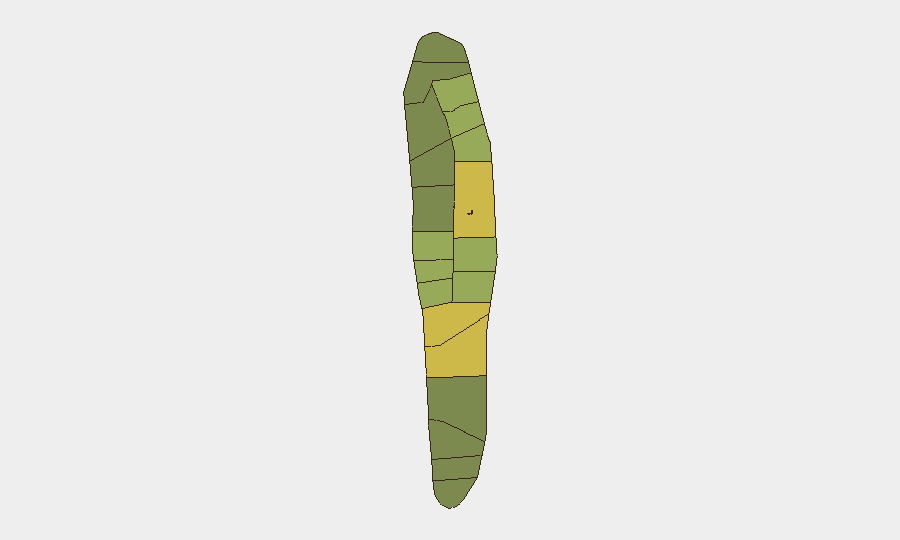
Maldives remains a low-threat environment globally (rank #134; composite score 9) with no tracked security events in the current reporting window. The country's security profile is concentrated in the capital region, where urban crime, civil unrest, and organized activity drive elevated sub-national risk scores. The broader archipelago and outlying atolls present substantially lower risk, reflecting limited incident density and institutional stability outside Malé.
Key Developments
No discrete security incidents were documented in Maldives during the 24–48 hours prior to 22 August 2026.
Web research retrieved no verified, current Maldives-specific unrest, crime, or attack reports meeting recency criteria. One historical reference surfaced—additional arrests related to the 21 June 2026 "Yoga Day" mob attack at the National Stadium in Malé, reported on 22 August as part of ongoing judicial proceedings—but this represents follow-up to a June incident, not a new development.
Regional maritime incidents (vessel hijackings near Yemen and Somalia, 22 August) occur outside Maldivian territorial waters and do not directly implicate Maldivian-flagged shipping or nationals, though they underscore broader Indian Ocean risk relevant to supply chains and personnel transit routes.
Highest-Risk Areas
Malé (risk 85) and Malé Atoll (risk 68) dominate the risk profile, driven by population density, commercial activity, and historical clustering of civil unrest and organized crime. The capital's elevated score reflects incidents spanning protest-related violence, gang activity, and narcotics trafficking since 2024. Northern and central atolls (Hadhdhunmathi, Kolhumadulu, Felidhu) show moderate elevation, while the southern and outer archipelago present minimal tracked risk. Risk concentration in the capital reflects both genuine security density and reporting bias; incidents in remote atolls may be underreported.
How GeoBit Would Assist
Security teams with personnel or assets in Maldives should deploy AOI Monitoring & Early Warning on Malé and northern atolls to detect emerging unrest, crowd movement, or security force activity before escalation. Multi-language OSINT and web search across Maldivian news outlets, social platforms, and regional wires provide real-time incident alerting. Maritime & Aviation tracking combined with Routing & Network Analysis help optimize personnel movement and supply chains, particularly for staff transiting through the capital or relying on port facilities vulnerable to disruption.
7-Day Outlook
No acute threat indicators suggest elevated risk in the near term. Malé remains the principal focus for duty-of-care monitoring; routine precautions (situational awareness, secure accommodation, verified transportation) remain the standard posture. Continued observation of protest activity and any police/defense announcements will inform any tactical adjustments.
Highest-Risk Areas — Ranked
| # | State / Region | Risk |
|---|---|---|
| 1 | Malé | 85 |
| 2 | Malé Atoll | 68 |
| 3 | Hadhdhunmathi | 65 |
| 4 | Kolhumadulu | 60 |
| 5 | Felidhu Atoll | 58 |
| 6 | Mulaku Atoll | 55 |
| 7 | Faadhippolhu | 52 |
| 8 | South Miladhunmadulu | 48 |
| 9 | North Miladhunmadulu | 45 |
| 10 | South Nilandhe Atoll | 44 |
| 11 | North Nilandhe Atoll | 42 |
| 12 | South Ari Atoll | 40 |
Sources
Previous Daily Briefs
A new Maldives brief is written every day — each with its own risk map and downloadable CSV. Here's the last week; use the calendar to go further back.
- August 20, 2026
- August 18, 2026
- August 16, 2026
- August 14, 2026
- August 12, 2026
- August 10, 2026
- August 8, 2026
📅 Browse every day by calendar →
Highlighted days have a brief. Tap a day for that day's map & analysis, or “csv” for that day's dataset ($5).
Atlas — our AI intelligence desk — emails them this snapshot personally. Nothing else, no list.