Situation Summary
Maldives remains at baseline elevated risk (composite threat score 9/global rank #136) with no major acute security incidents reported in the last 24–48 hours. The country's primary vulnerabilities—terrorism and organized crime concentrated in urban centers—remain stable rather than escalating. Airport operations and resort zones continue functioning normally; travel advisories as of 26 August maintain "caution" rather than restriction or warning.
Key Developments
- Velana International Airport (Malé) – 22 August: A 36-year-old American citizen was intercepted carrying a loaded magazine with live ammunition in checked luggage and remanded for processing. This incident reflects continued enforcement of weapons controls but does not indicate systemic security degradation at the facility.
- No major incidents (27–28 August): Web research and open-source feeds yield no newly documented attacks, civil unrest, large demonstrations, infrastructure failures, or political crises within the last 24–48 hours. Routine crime and legal cases from 22–26 August remain localized.
- Regional airspace context (ongoing): Travel disruption risk persists due to broader Middle East aviation constraints, not domestic Maldivian instability. Resort and tourist operations remain open and accessible.
Highest-Risk Areas
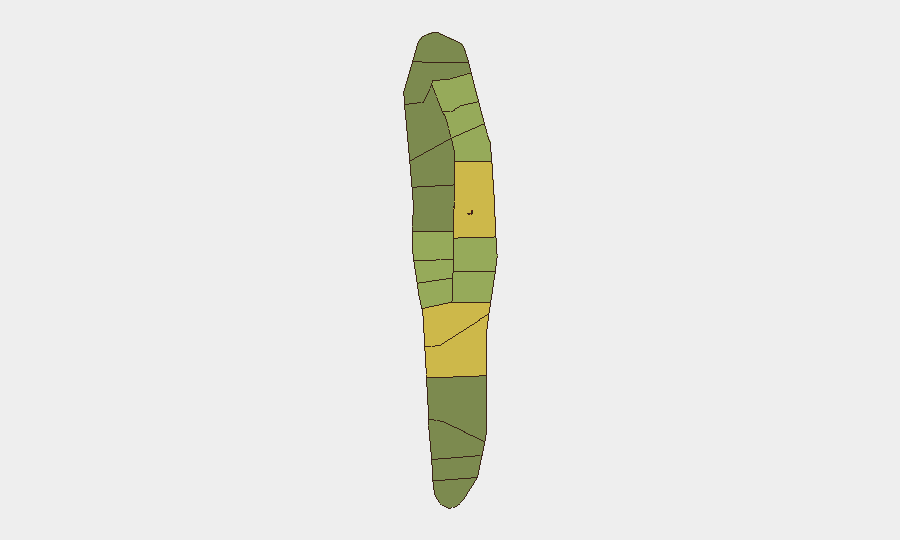
Malé (risk 85) and Malé Atoll (68) account for the majority of national threat exposure, driven by concentration of government, finance, and tourism infrastructure alongside organized crime and petty theft targeting foreigners and businesses. Hadhdhunmathi (65) and Kolhumadulu (60) follow as secondary risk nodes. The southern and northern atolls (Nilandhe, Miladhunmadulu, Ari) register substantially lower scores (40–45), reflecting their isolation, smaller populations, and limited urban crime patterns. Risk is heavily concentrated in the capital region; resort islands and remote atolls present materially lower operational risk.
How GeoBit Would Assist
Security and risk teams should employ AOI Monitoring & Early Warning to sustain persistent watch on Malé, Hulhumalé, and key airport/port nodes, with configured alerts for civil unrest, terrorism activity, or infrastructure disruption. Intel Sweep and multi-language OSINT (X, Telegram, local media) enable daily cross-verification of reported incidents and sentiment shifts that may signal escalation before formal advisories update. For personnel or asset movement, Routing & Network Analysis identifies secure transit corridors and alternative paths that avoid high-risk neighborhoods and protest-prone zones in the capital.
7-Day Outlook
No near-term escalation is signaled by current reporting. Security posture should remain at baseline heightened caution: monitor local media daily, avoid large gatherings and non-resort urban areas after dark, and maintain standard duty-of-care protocols for personnel in Malé. Terrorism and crime risks are chronic, not acute; no event in the last 48 hours suggests imminent deterioration or the need for evacuation or travel restrictions.
Highest-Risk Areas — Ranked
| # | State / Region | Risk |
|---|---|---|
| 1 | Malé | 85 |
| 2 | Malé Atoll | 68 |
| 3 | Hadhdhunmathi | 65 |
| 4 | Kolhumadulu | 60 |
| 5 | Felidhu Atoll | 58 |
| 6 | Mulaku Atoll | 55 |
| 7 | Faadhippolhu | 52 |
| 8 | South Miladhunmadulu | 48 |
| 9 | North Miladhunmadulu | 45 |
| 10 | South Nilandhe Atoll | 44 |
| 11 | North Nilandhe Atoll | 42 |
| 12 | South Ari Atoll | 40 |
Sources
Previous Daily Briefs
A new Maldives brief is written every day — each with its own risk map and downloadable CSV. Here's the last week; use the calendar to go further back.
- August 26, 2026
- August 24, 2026
- August 22, 2026
- August 20, 2026
- August 18, 2026
- August 16, 2026
- August 14, 2026
📅 Browse every day by calendar →
Highlighted days have a brief. Tap a day for that day's map & analysis, or “csv” for that day's dataset ($5).
Atlas — our AI intelligence desk — emails them this snapshot personally. Nothing else, no list.