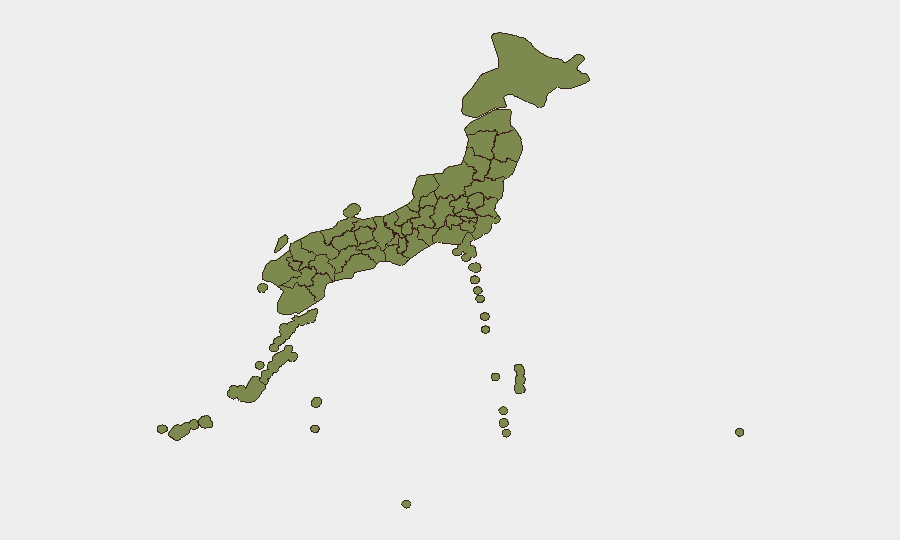
Situation Summary
Japan faces a compounded risk environment driven by concurrent cyber intrusions affecting major telecom and media entities, geopolitical maritime tensions near the Senkaku Islands, and a significant tropical weather threat affecting southern regions. Nagano Prefecture registers the highest sub-national composite risk (33.1), followed by Tokyo (11), reflecting a mix of localized incident clustering and capital-region exposure. The national threat score (6/200 events) places Japan at mid-tier global risk, but sectoral exposure—particularly telecommunications, streaming, and HR data—is elevated and trending operationally significant.
Key Developments
- Tokorozawa, Saitama Prefecture (10–12 July): Tokyo Metropolitan Police arrested a 15-year-old high school student on obstruction of business charges after he used ChatGPT-generated code to exploit a Bandai Channel vulnerability, fraudulently cancelling approximately 46,800 anime subscriptions and exposing up to 1.3 million personal records. This marks the first high-profile case of AI-assisted juvenile cybercrime in Japan's 2026 incident record.
- Nationwide telecoms intrusion update (11–12 July): KDDI confirmed a zero-day exploit enabled a previous breach affecting 12.2 million email addresses and 7.6 million passwords—substantially revised upward from earlier disclosures—materially elevating fraud and credential-compromise risk across Japan's consumer and corporate user base.
- East China Sea / Senkaku Islands (11–12 July): Two Chinese Coast Guard vessels entered waters claimed by Japan near the Senkaku/Diaoyu Islands; Japanese patrol ships responded and Chinese vessels withdrew after several hours. The incident reflects persistent maritime sovereignty tension and elevated risk of unintended escalation in the disputed zone.
- Sakishima Islands, Okinawa Prefecture (10–12 July, ongoing): Typhoon Bavi (No. 9) with sustained winds ~50 m/s and central pressure ~935 hPa approached the Sakishima chain, bringing forecast violent winds, heavy rain, and waves to 10 m. Alerts indicate significant transport disruption and potential infrastructure damage in the region.
- Nintendo third-party vendor breach (amplified 11–12 July): ShadowByt3$ extortion group released 859 MB of HR data (names, corporate emails, W-9s, bank statement fragments) stolen from TinyPulse vendor; Nintendo confirmed game infrastructure unaffected but employee data exposure poses ongoing privacy and identity-theft risk for affected staff with Japan ties.
- My Number health insurance deadline risk (policy reminder, 31 July implementation): Health Minister reiterated that failure to link My Number ID by 31 July will result in 100% upfront treatment cost liability from 1 August. This creates administrative and financial risk for residents and travelers requiring medical care without proper documentation.
Highest-Risk Areas
Nagano Prefecture's risk score (33.1) substantially exceeds all other regions and warrants dedicated monitoring; GeoBit data does not yet publicly clarify the specific driver, but the differential suggests either concentrated incident clustering or a sector-specific exposure. Tokyo (11) reflects capital-region cyber-crime density and administrative concentration. Niigata, Hiroshima, and Hyogo collectively account for regional cyber and administrative risks below Tokyo but materially above the national median, indicating geographic dispersion of threat vectors rather than a single epicenter.
How GeoBit Would Assist
Security teams in Japan should deploy AOI Monitoring & Early Warning on Nagano, Tokyo, and Niigata prefectures to detect emerging cyber, administrative, or geopolitical incident clusters before media amplification. Intel Sweep and multi-language OSINT fusion (X/Twitter, Telegram, YouTube) will track evolving messaging around the KDDI breach, Bandai Channel incident, and My Number compliance gaps to anticipate fraud campaigns and copycat attacks. Routing & Network Analysis can support alternative travel and supply-chain planning during Typhoon Bavi and maritime tension periods.
7-Day Outlook
Typhoon Bavi will dominate operational risk in Okinawa and southern Kyushu through mid-week; transport and infrastructure exposure is acute. KDDI breach fallout and fraud risk will persist through August as credential markets activate and social engineering campaigns exploit exposed records. My Number deadline (31 July) will drive late-stage compliance incidents and administrative congestion in healthcare sectors nationwide.
Highest-Risk Areas — Ranked
| # | State / Region | Risk |
|---|---|---|
| 1 | Nagano Prefecture | 33.1 |
| 2 | Tokyo | 11 |
| 3 | Niigata Prefecture | 8.8 |
| 4 | Hiroshima Prefecture | 6.9 |
| 5 | Hyogo Prefecture | 6.2 |
| 6 | Kumamoto Prefecture | 4.8 |
| 7 | Kyoto Prefecture | 4.3 |
| 8 | Osaka Prefecture | 4 |
| 9 | Aichi Prefecture | 4 |
| 10 | Saitama Prefecture | 4 |
| 11 | Nagasaki Prefecture | 3.6 |
| 12 | Kagoshima Prefecture | 3.6 |
Sources
Previous Daily Briefs
A new Japan brief is written every day — each with its own risk map and downloadable CSV. Here's the last week; use the calendar to go further back.
📅 Browse every day by calendar →
Highlighted days have a brief. Tap a day for that day's map & analysis, or “csv” for that day's dataset ($5).
Atlas — our AI intelligence desk — emails them this snapshot personally. Nothing else, no list.