Situation Summary
Maldives remains a low-threat environment globally (rank #138, composite score 9) with no confirmed acute security incidents in the last 24–48 hours. However, a rapidly developing labour and economic grievance in the tourism sector—focused on new foreign-exchange conversion requirements—signals potential for industrial action or service disruption if unresolved. Physical security and conventional threat indicators remain stable; primary risk is sectoral economic tension with downstream operational implications for resort-dependent businesses.
Key Developments
- Location: Resort islands nationwide | Date: 30 August 2026 | Event: Tourism Employees Association of Maldives (TEAM) reported that workers from 42 resorts signed a nationwide petition in a single day opposing new government foreign-exchange rules requiring resorts to convert 40% of US-dollar revenue into Maldivian rufiyaa. Workers express concern that the mandate will eliminate dollar-denominated salaries and service charges, reducing real income. Status: organized petition activity (not yet strikes or demonstrations), but signals elevated risk of labour escalation.
- Location: Malé (political centre); resort sector nationwide | Date: 29–30 August 2026 | Event: Opposition figures, including former President Mohamed Nasheed, publicly criticized the foreign-exchange policy as potentially bankrupting resorts and triggering mass layoffs. Government and President Muizzu defended the rules. This amplifies political polarization around the policy and increases likelihood of sustained public advocacy and potential workforce action.
- Location: Tourism sector, nationwide | Date: Ongoing (weekend of 29 August onward) | Event: Labour petition campaign initiated over the weekend and accelerated on 30 August; no work stoppages or demonstrations confirmed as of reporting cutoff, but momentum suggests potential for escalation within days if dialogue does not materialize.
Highest-Risk Areas
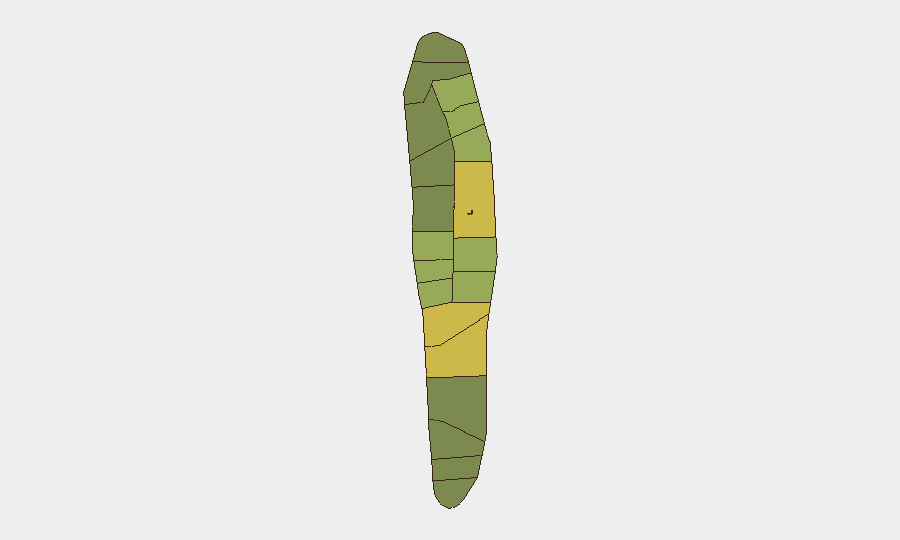
Malé (risk 85) dominates the sub-national ranking and remains the political and economic decision-making centre; Malé Atoll (68) and Hadhdhunmathi (65) follow, reflecting concentration of governance and economic activity in the capital region. The elevated rankings reflect cumulative exposure to political decision-making, economic policy volatility, and tourism-sector density rather than active violence or mass unrest. Outer atolls (North and South Nilandhe, North and South Ari; ranks 42–44) carry lower composite risk, correlating with lower population density and economic activity. Tourism-sector workers are concentrated across resort islands in Malé Atoll and southern atolls, making those zones the geographic focus for labour-related operational disruption risk in the current window.
How GeoBit Would Assist
Corporate teams with resort or tourism-sector assets would benefit from AOI Monitoring & Early Warning (persistent watch on resort islands and Malé for labour organizing, petition activity, and protest signals); OSINT fusion across social media, worker networks, and government sources to detect escalation thresholds; and sentiment and temporal analysis of worker communications and political statements to assess likelihood and timing of strikes or service disruption. Economic & Trade intelligence would also support assessment of the foreign-exchange policy's downstream impact on resort profitability and workforce stability, informing contingency planning.
7-Day Outlook
The petition campaign is likely to accelerate over the next 3–5 days as more resorts mobilize. If the government does not engage labour stakeholders or signal policy revision, risk of organized work stoppages or demonstrations (particularly in Malé and major resort zones) will rise materially by early September. Current trajectory suggests economic and political tension rather than security crisis, but tourism-sector service continuity should be monitored as a leading operational indicator.
Highest-Risk Areas — Ranked
| # | State / Region | Risk |
|---|---|---|
| 1 | Malé | 85 |
| 2 | Malé Atoll | 68 |
| 3 | Hadhdhunmathi | 65 |
| 4 | Kolhumadulu | 60 |
| 5 | Felidhu Atoll | 58 |
| 6 | Mulaku Atoll | 55 |
| 7 | Faadhippolhu | 52 |
| 8 | South Miladhunmadulu | 48 |
| 9 | North Miladhunmadulu | 45 |
| 10 | South Nilandhe Atoll | 44 |
| 11 | North Nilandhe Atoll | 42 |
| 12 | South Ari Atoll | 40 |
Sources
Previous Daily Briefs
A new Maldives brief is written every day — each with its own risk map and downloadable CSV. Here's the last week; use the calendar to go further back.
- August 28, 2026
- August 26, 2026
- August 24, 2026
- August 22, 2026
- August 20, 2026
- August 18, 2026
- August 16, 2026
📅 Browse every day by calendar →
Highlighted days have a brief. Tap a day for that day's map & analysis, or “csv” for that day's dataset ($5).
Atlas — our AI intelligence desk — emails them this snapshot personally. Nothing else, no list.