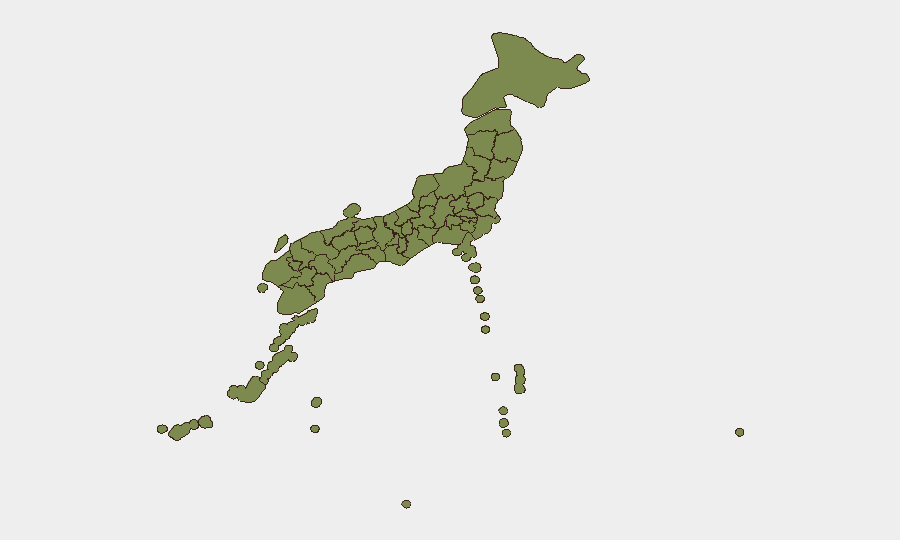
Situation Summary
Japan remains a low-threat environment globally (rank #137, composite score 5), but recent developments in cyber intrusion, maritime tensions, and localized public-safety incidents warrant heightened vigilance in specific prefectures and sectors. Nagano Prefecture shows notably elevated risk (33.3), followed by Tokyo (13) and Niigata (9.2), driven by a mix of cyber-crime activity, vendor-supply-chain breaches, and telecommunications infrastructure compromise. No nationwide security crisis is evident, but credential-exposure risk, maritime border friction, and weather-related health hazards are converging across the 48-hour reporting window.
Key Developments
- Tokorozawa, Saitama – Cybercrime arrest (10–12 July). A 15-year-old student arrested for AI-assisted code exploitation of Bandai Channel vulnerability; ~46,800 anime subscriptions cancelled and up to 1.3 million personal records exposed. Demonstrates youth-driven cyber-threat capability and highlights third-party application security gaps.
- Nationwide – KDDI telecom data breach update (11–12 July). Major ISP revised exposure estimate upward to 12.2 million email addresses and 7.6 million passwords compromised; zero-day in third-party email platform. Poses acute credential-compromise and fraud risk across Japan's telecom and financial sectors.
- Corporate – Nintendo vendor HR data leak (amplified 11–12 July). ShadowByt3$ extortion group released 859 MB of HR and personal data from TinyPulse vendor, including employee names, emails, tax forms, and partial banking data affecting Nintendo-linked staff. Signals supply-chain targeting of major corporations and identity-theft risk.
- East China Sea – Coast Guard confrontation (11–12 July). Two Chinese Coast Guard vessels entered disputed waters near Senkaku/Diaoyu Islands; Japanese patrol ships responded, Chinese vessels withdrew after hours. Part of sustained pattern of maritime incursions; escalation risk remains latent.
- Tokyo, Ginza – Substance release in luxury mall (recent days, ongoing). Unidentified substance sprayed near vending machine in shopping mall; approximately 20 people hospitalized. Motive under investigation; elevates risk profile for crowded commercial venues in central Tokyo.
- Oita Prefecture – Knife attack (13 July). Four people injured in knife attack; suspect arrested and all victims conscious. Isolated incident but consistent with periodic public-safety concerns in regional areas.
- Nationwide – Extreme heat and weather alerts (13 July). Heatstroke alerts issued in 14 prefectures; Tropical Storm Bavi and potential "double storm" scenario creating short-term health and infrastructure disruption risk.
Highest-Risk Areas
Nagano Prefecture's elevated risk score (33.3) is a statistical outlier and warrants intelligence review to confirm underlying drivers; Tokyo (13) and Niigata (9.2) reflect documented cyber-crime clusters, telecom-sector exposure, and vendor-supply-chain vulnerabilities. Saitama (4) has emerged as a cyber-incident hotspot following the Tokorozawa arrest. Coastal prefectures (Hiroshima, Hyogo, Kagoshima) and Okinawa periphery remain exposed to maritime-tension spillover, though current containment of the Senkaku incident reduces immediate escalation risk.
How GeoBit Would Assist
Intel Sweep and multi-language OSINT fusion enable continuous monitoring of Japanese media, regulatory statements, and threat-actor communications to surface early warning of supply-chain breaches and cyber campaigns. Network & Actor Analysis paired with Shodan capabilities would allow mapping of vulnerable third-party vendor infrastructure (Bandai, TinyPulse, KDDI email platforms) to identify exposure before exploitation. Maritime & Aviation tracking integrated with AOI Monitoring of disputed East China Sea territories provides persistent alerting on coast-guard movements and incursion patterns, enabling duty-of-care teams to anticipate travel and shipping disruptions.
7-Day Outlook
Credential-exposure fallout from KDDI and vendor breaches will likely drive elevated fraud and phishing activity; organizations should enforce password resets and monitor for secondary-market sale of exposed datasets. Maritime tension near Senkaku Islands remains contained but could spike if Chinese incursions resume or domestic political rhetoric intensifies. Weather-related health risks (heat, storm systems) will persist through mid-week, affecting travel logistics and outdoor operations.
Highest-Risk Areas — Ranked
| # | State / Region | Risk |
|---|---|---|
| 1 | Nagano Prefecture | 33.3 |
| 2 | Tokyo | 13 |
| 3 | Niigata Prefecture | 9.2 |
| 4 | Aichi Prefecture | 7.5 |
| 5 | Hiroshima Prefecture | 7.3 |
| 6 | Hyogo Prefecture | 6.5 |
| 7 | Hokkaido Prefecture | 5.8 |
| 8 | Kumamoto Prefecture | 5 |
| 9 | Kyoto Prefecture | 4.5 |
| 10 | Osaka Prefecture | 4.3 |
| 11 | Saitama Prefecture | 4 |
| 12 | Kagoshima Prefecture | 3.8 |
Sources
Previous Daily Briefs
A new Japan brief is written every day — each with its own risk map and downloadable CSV. Here's the last week; use the calendar to go further back.
📅 Browse every day by calendar →
Highlighted days have a brief. Tap a day for that day's map & analysis, or “csv” for that day's dataset ($5).
Atlas — our AI intelligence desk — emails them this snapshot personally. Nothing else, no list.