Situation Summary
Maldives remains a low-threat environment (global rank #150, composite score 9) with no discrete security events recorded in the current assessment window. Three localized incidents—a maritime casualty, a violent assault, and ongoing tourism operations—occurred during September 16–22, reflecting routine hazards rather than systemic instability. The security posture is stable, though sub-national risk concentration in Malé and surrounding atolls warrants targeted monitoring for duty-of-care teams with personnel in the capital.
Key Developments
- Kaashidhoo Sea, Kaafu Atoll — September 16: Supply vessel *Sea Line–3* capsized en route from Malé to a Raa Atoll resort; police conducted rescue operations for a four-person crew. Incident reflects maritime transit risks inherent to inter-atoll logistics, not a security threat.
- Galolhu district, Malé — September 17: A 35-year-old Maldivian male was hospitalized following a violent assault in early-morning hours; police investigation remained active with no arrests reported at time of publication. Consistent with routine urban crime patterns in the capital.
- Tourism and Travel Status — September 16–22: Commercial aviation (including UAE–Malé routes), resort operations, and tourist visa processing continued without suspension. Official guidance advised travelers to monitor local alerts, avoid demonstrations, and remain aware of terrorism and disruption risks.
Highest-Risk Areas
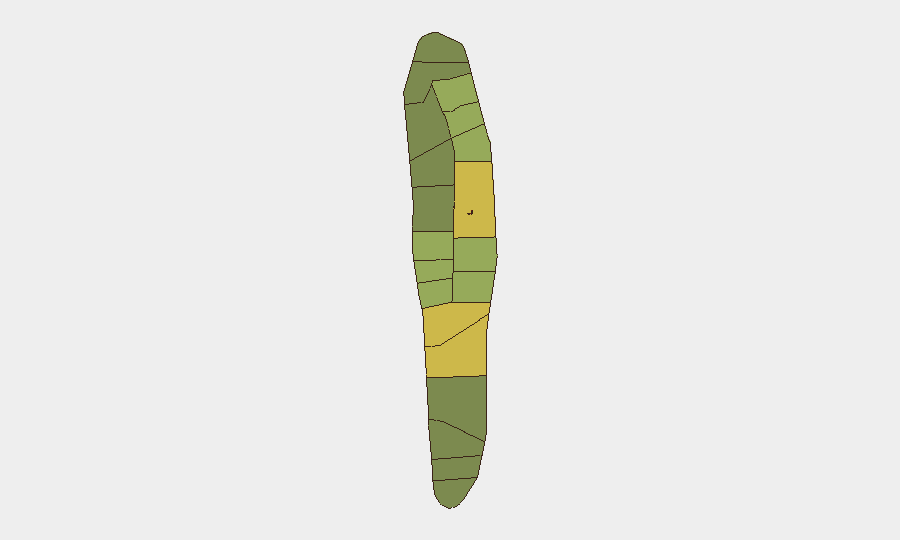
Malé (risk 85) and Malé Atoll (risk 68) drive the national risk profile by a significant margin, reflecting capital-city concentrations of population density, commercial activity, and transit infrastructure. Secondary clusters in Hadhdhunmathi (65), Kolhumadulu (60), and Felidhu Atoll (58) indicate wider vulnerability corridors in the central and southern atolls. Risk distribution across the archipelago reflects maritime exposure, inter-atoll logistical dependency, and tourism-sector concentration rather than active conflict or organized instability; security teams should prioritize monitoring and contingency planning for Malé-based operations and supply-chain disruptions affecting resort and commercial assets.
How GeoBit Would Assist
Security teams managing Maldives exposure should employ AOI Monitoring & Early Warning on Malé, Malé Atoll, and key resort/commercial zones to detect emerging incidents in real time. Intel Sweep and multi-language search coupled with X/Twitter & Telegram OSINT and sentiment analysis would capture localized disruptions—labor action, maritime incidents, crime surges, or political signals—before they escalate. Maritime tracking should cover inter-atoll supply routes (particularly Kaashidhoo Passage and routes to northern atolls) to anticipate transport disruptions affecting resort provisioning and personnel movement.
7-Day Outlook
No escalation in threat indicators is expected in the near term; the current low-event profile is likely to persist. Routine maritime, urban crime, and tourism logistics risks will remain the primary duty-of-care concern. Security teams should maintain standard monitoring postures and verify any significant changes in travel restrictions, political messaging, or atoll-specific incidents through local government and hospitality-sector channels.
Highest-Risk Areas — Ranked
| # | State / Region | Risk |
|---|---|---|
| 1 | Malé | 85 |
| 2 | Malé Atoll | 68 |
| 3 | Hadhdhunmathi | 65 |
| 4 | Kolhumadulu | 60 |
| 5 | Felidhu Atoll | 58 |
| 6 | Mulaku Atoll | 55 |
| 7 | Faadhippolhu | 52 |
| 8 | South Miladhunmadulu | 48 |
| 9 | North Miladhunmadulu | 45 |
| 10 | South Nilandhe Atoll | 44 |
| 11 | North Nilandhe Atoll | 42 |
| 12 | South Ari Atoll | 40 |
Sources
Previous Weekly Briefs
A new Maldives brief is written every Monday, covering the week — each with its own risk map and downloadable CSV. Use the calendar to go further back.
- September 15, 2026
- September 8, 2026
- September 1, 2026
- August 30, 2026
- August 28, 2026
- August 26, 2026
- August 24, 2026
📅 Browse past briefs by calendar →
Highlighted days have a brief. Tap a day for that day's map & analysis, or “csv” for that day's dataset ($5).
Atlas — our AI intelligence desk — emails them this snapshot personally. Nothing else, no list.