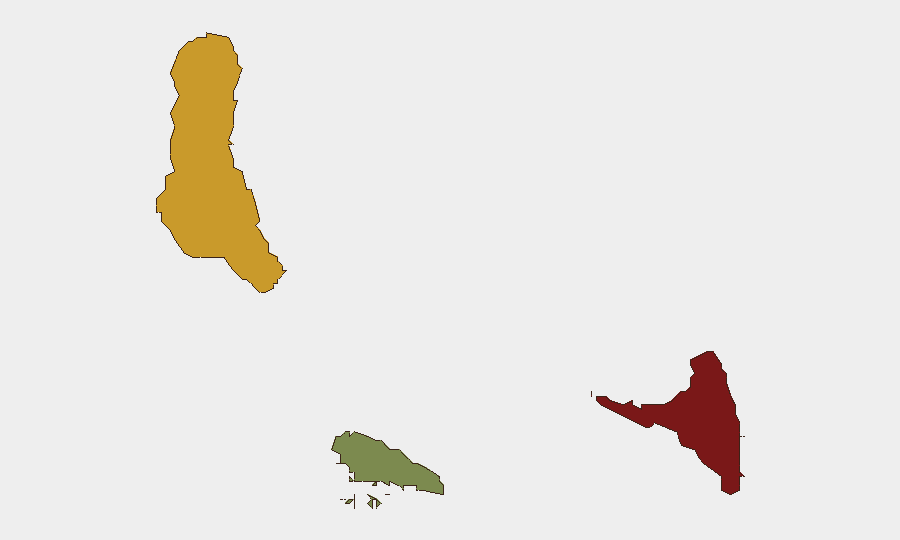
Situation Summary
Comoros remains a low-frequency threat environment (Global Rank #140, composite score 8) with no discrete security incidents reported in the current 24–48 hour window. The archipelago's risk profile is concentrated in Anjouan (score 88) and Grande Comore (score 72), reflecting persistent governance fragility, maritime vulnerability, and irregular migration pressures. Current diplomatic friction between Moroni and Paris over aid conditionality and migration cooperation carries reputational risk but does not indicate imminent domestic instability or operational threat escalation.
Key Developments
- Moroni, Comoros — 2026-08-28: The Comorian government issued a formal public rebuke of French Prime Minister Sébastien Lecornu after he suggested development aid could be conditional on cooperation on irregular migration to Mayotte, characterizing the remarks as "unbearably condescending." The statement was confirmed across AFP, *Le Monde*, and regional wire services, signaling a diplomatic dispute that may affect French–Comorian bilateral engagement and donor relations.
- No corroborated violent incidents, protests, civil unrest, crime spikes, transport disruptions, or infrastructure failures were reported in Comoros during the 24–48 hour reporting window.
Highest-Risk Areas
Anjouan (score 88) remains the primary risk driver, historically associated with separatist sentiment, weak state capacity, and maritime trafficking. Grande Comore (score 72), home to the capital Moroni and administrative functions, faces concentrations of urban crime, port-related irregular migration activity, and political instability. Moheli (score 35) presents substantially lower operational risk. Collectively, the archipelago's isolation, limited law enforcement reach, and dependency on external aid create conditions favoring transnational criminal use of maritime routes and informal economy activity, though active conflict or large-scale civil unrest remains absent.
How GeoBit Would Assist
Security teams with personnel or assets in Comoros should employ Intel Sweep and multi-language OSINT feeds to detect early signals of political instability, labor unrest, or border/maritime tensions that may develop faster than formal diplomatic channels. AOI Monitoring & Early Warning on Anjouan and Grande Comore ports would flag irregular migration surges, vessel activity anomalies, or customs disruptions affecting supply chains or travel. Network & Actor Analysis combined with Telegram/X OSINT can track diaspora sentiment, separatist messaging, or criminal coordination that may precede localized security incidents—particularly relevant given the current Franco-Comorian friction.
7-Day Outlook
The diplomatic dispute with France is unlikely to trigger immediate operational disruption but may incrementally affect aid disbursement, diplomatic incident response times, and private-sector confidence. No indicators suggest escalation of domestic political tensions, inter-island violence, or regional conflict in the near term. Routine monitoring for irregular migration–related incidents, port delays, or secondary effects of French–Comorian tensions remains appropriate due diligence for organizations with extended presence or maritime operations in the region.
Highest-Risk Areas — Ranked
| # | State / Region | Risk |
|---|---|---|
| 1 | Anjouan | 88 |
| 2 | Grande Comore | 72 |
| 3 | Moheli | 35 |
Sources
Previous Daily Briefs
A new Comoros brief is written every day — each with its own risk map and downloadable CSV. Here's the last week; use the calendar to go further back.
- August 26, 2026
- August 24, 2026
- August 22, 2026
- August 20, 2026
- August 18, 2026
- August 16, 2026
- August 14, 2026
📅 Browse every day by calendar →
Highlighted days have a brief. Tap a day for that day's map & analysis, or “csv” for that day's dataset ($5).
Atlas — our AI intelligence desk — emails them this snapshot personally. Nothing else, no list.